
You’ve been keeping up with your lawn care, so it’s frustrating to look outside and notice your grass turning yellow or orange. Then you walk through the yard and come back with orange dust on your shoes. You may wonder whether your grass is dying, whether something went wrong with a treatment, or whether you’ll have to spend more money to fix it.
We understand how discouraging an unexpected change can be, especially when you’ve put time and effort into having a healthier lawn. The good news is that the orange residue may be a sign of rust disease, which is a common lawn disease that often looks more concerning than it is.
At Oasis Turf & Tree, we’ve spent over 30 years caring for 24,000+ lawns throughout Cincinnati, Dayton, & Northern Kentucky. With more than 60 licensed technicians and ongoing training through our in-house, region-specific programs, we build on that local experience to identify lawn problems and explain what they mean for your grass.
We’re here to explain what rust disease is, how we identify it, and what you can do to help your lawn grow through it.
Quick Answer: Rust is a fungal disease that produces orange, powdery spots on grass blades and can leave residue on your shoes or mower. In the local cases we encounter, it is generally a temporary appearance problem. Continuing proper mowing and supporting healthy grass growth usually helps the lawn recover as conditions change.
In this article:
- What Is Rust Disease?
- How Do You Know If Your Lawn Has Rust?
- Why Does Rust Show Up in Your Lawn?
- Will Rust Disease Kill Your Grass?
- So, What Should You Do About Rust in Your Lawn?
- Should I Use Fungicides for Rust?
- How Long Does Lawn Rust Last?
- How Do I Get Rid of Rust Disease in My Lawn?
- Frequently Asked Questions
What Is Rust Disease?
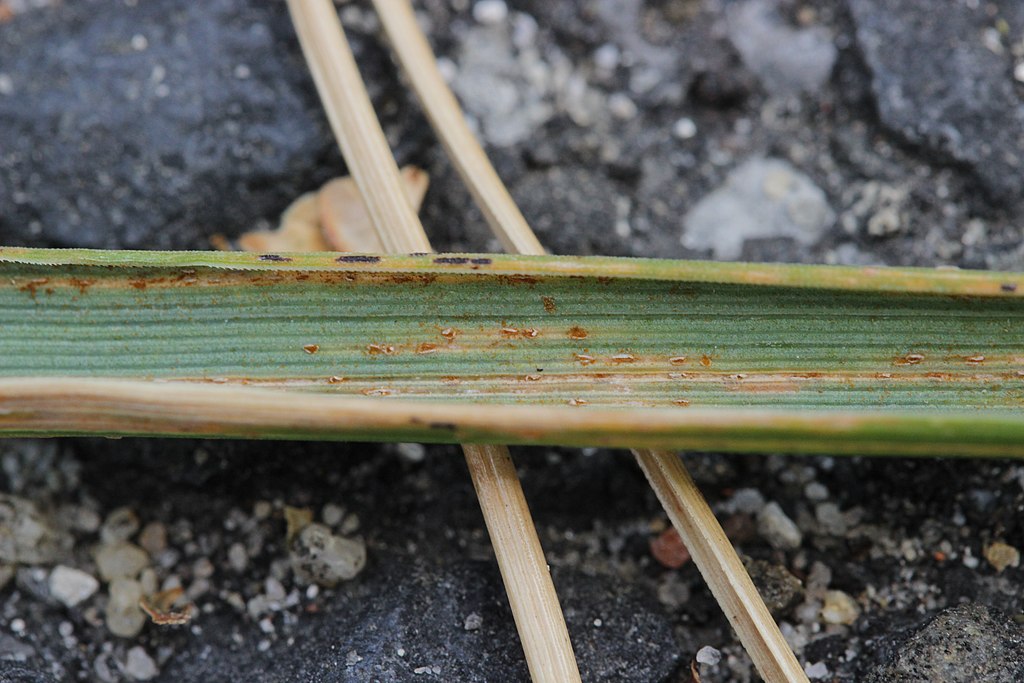
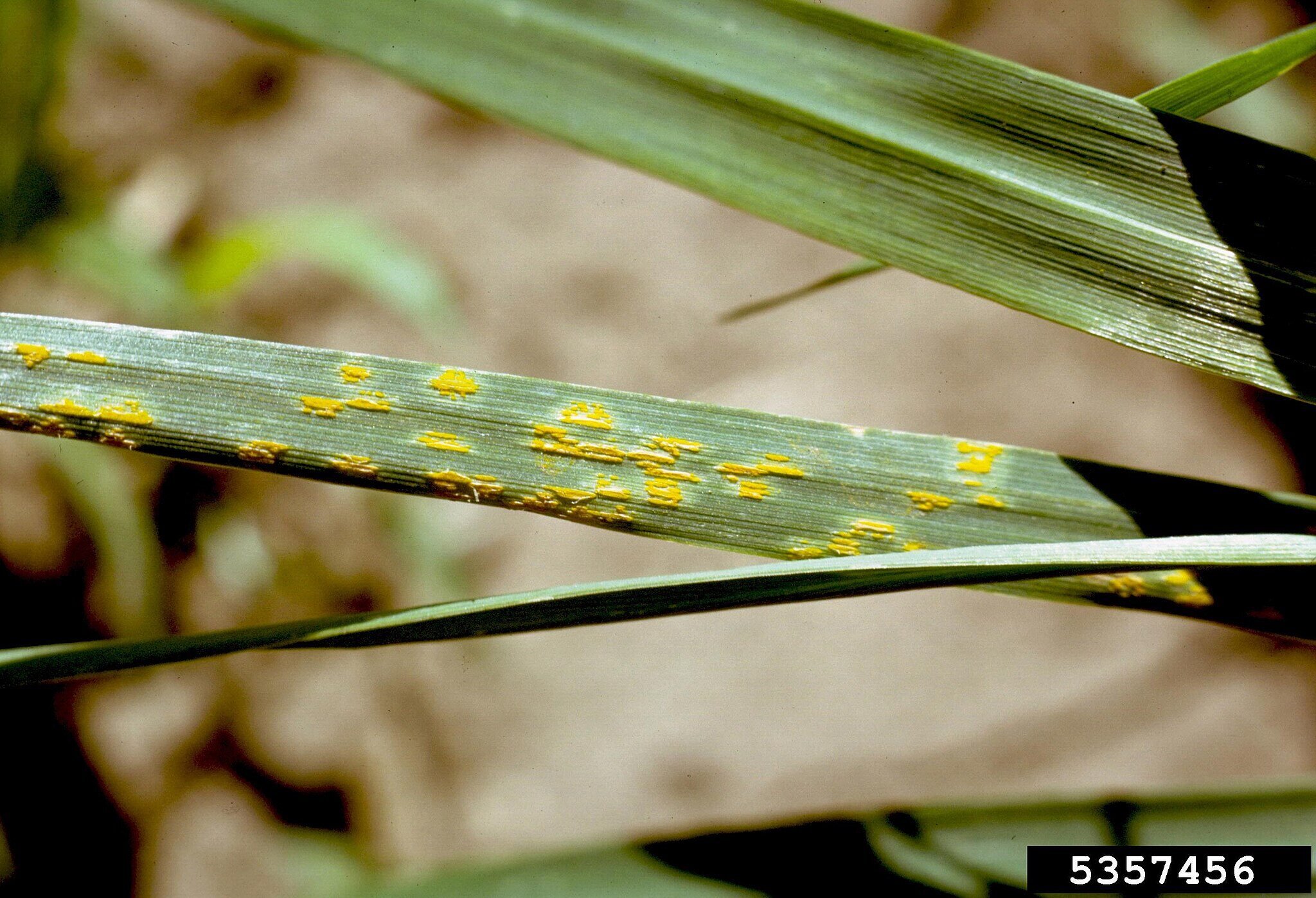
Rust is a fungal disease named for the orange, rusty-looking powder it produces on grass blades. That powder is made up of spores (tiny particles released by a fungus that can start new fungal growth) which help the fungus spread.
We tend to see rust disease toward the end of summer and into fall. You may notice it while walking through the yard before realizing that your lawn has changed color.
Rust can affect cool-season grasses like Kentucky bluegrass, ryegrass, and fescues, including Turf Type Tall Fescue. Warm-season grasses such as zoysia grass and bermuda grass can also develop rust when growing in areas where cool-season lawns are more common.
Finding rust doesn’t automatically mean you’ve chosen the wrong grass or done something wrong.
Grass that is already stressed or growing in conditions that don’t suit its needs is more susceptible to rust, just as it is to other lawn diseases.
When grass struggles to stay healthy, disease has a greater opportunity to develop.
How Do You Know If Your Lawn Has Rust?
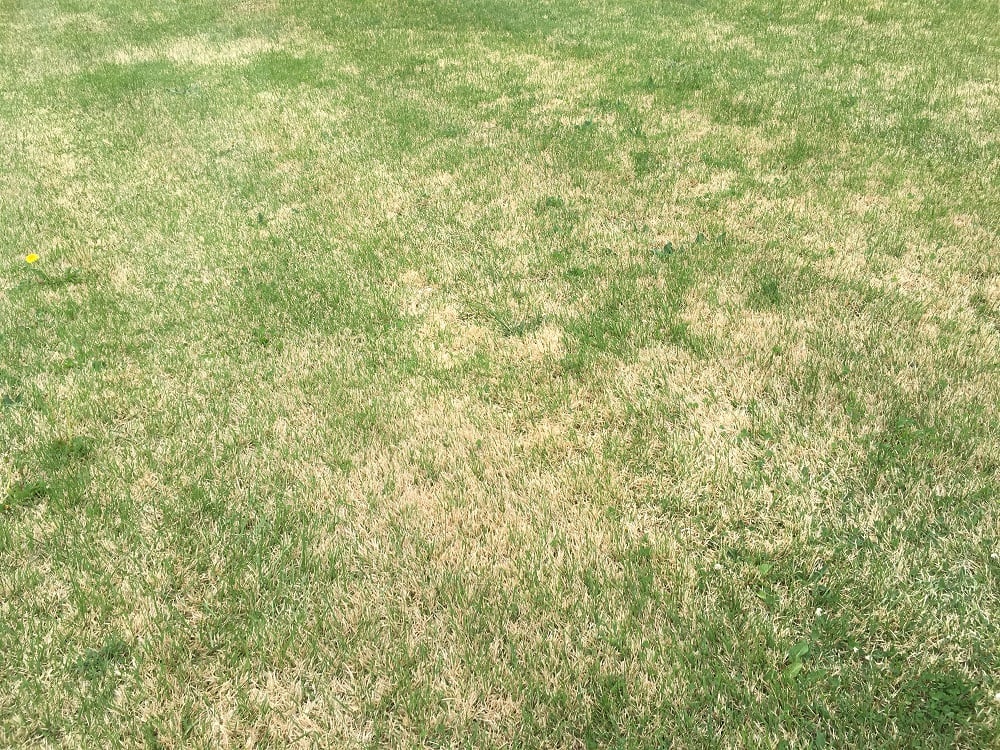
Orange residue on your shoes is one of the most recognizable signs. However, homeowners often ask us about the lawn’s color first.
They may describe their grass as yellow-green, tan, or looking like it needs water. From a distance, that can resemble drought stress. Looking closely at the grass blades helps us tell the difference.
When we inspect for rust, we look for small, raised orange spots called pustules. The powder they release wipes off the blade, which is an important clue when identifying the disease.
Yellow grass alone doesn’t confirm rust. That’s why we look at what’s happening on the blades instead of making a recommendation based only on the lawn’s color.
Why Does Rust Show Up in Your Lawn?
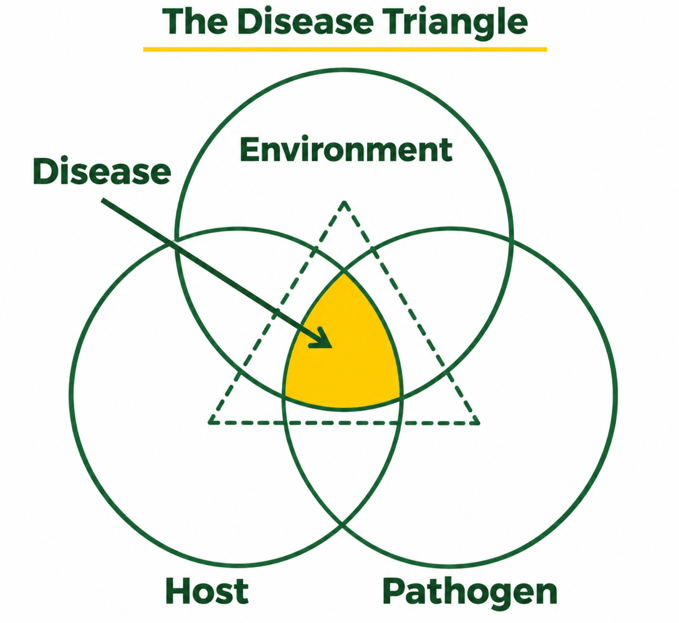
Like all diseases, Rust disease needs something called the disease triangle to spread. The disease triangle refers to three things that must be present for a plant disease to develop: a plant that can be infected, a disease-causing organism, and conditions that allow the disease to grow.
Around Cincinnati, Dayton, & Northern Kentucky, we often notice Rust during the transition from summer into fall, when humid conditions and dew can keep grass blades damp.
Grass that is already stressed or growing slowly can be more susceptible. Summer heat, dry soil, limited nutrition, and growing conditions that don’t suit the grass can all play a role.
Think about a lawn coming out of summer. As summer comes to an end, hot, dry weather may have slowed your lawn’s growth. However, overnight dew can still keep the grass blades wet, creating conditions for disease to develop even when the soil below needs water.
As conditions improve, your grass begins growing more actively, allowing regular mowing to gradually remove the affected portions of the blades.
That’s also why a lawn receiving professional care can still develop rust. Lawn care helps build healthier grass, but it doesn’t control the weather or prevent every disease from appearing.
Will Rust Disease Kill Your Grass?
While the orange discoloration may be unappealing, the good news is that rust disease is purely cosmetic and will not harm your grass, so there’s no need to worry.
We understand that orange shoes and discolored grass don’t look reassuring. However, those symptoms alone don’t mean you need to replace your lawn or purchase an additional treatment.
Rust may look concerning, but established lawns typically grow through it as the weather changes. Young grass can have a harder time recovering from a severe infection.
So, What Should You Do About Rust in Your Lawn?
Once you’ve confirmed rust disease as the issue, we typically recommend continuing to mow your lawn properly and allow the lawn to grow through it.
That may sound simple when you’re expecting a treatment recommendation, but there’s a reason for it. As your grass grows, regular mowing gradually removes the affected portions of the blades.
Keep Mowing at the Right Height
Continue mowing while your grass is growing. For established lawns in our area, we generally recommend a height of 3-4 inches.
Avoid cutting the lawn extra short to remove the orange grass faster. Taking off too much at once can stress the lawn. Instead, maintain your normal mowing routine, remove no more than one-third of the blade at a time, and wait until the grass is dry.
Sharp mower blades are vital for a clean cut. You want to support recovery without adding damage from dull blades or overly aggressive mowing.
Want to learn more about proper mowing techniques? We made a video that explains how to check your mowing height, understand your mower settings, decide how often to mow, and why sharp mower blades are vital for healthy grass.
Continue Proper Watering
Your grass still needs adequate moisture, but watering more often isn’t automatically the answer.
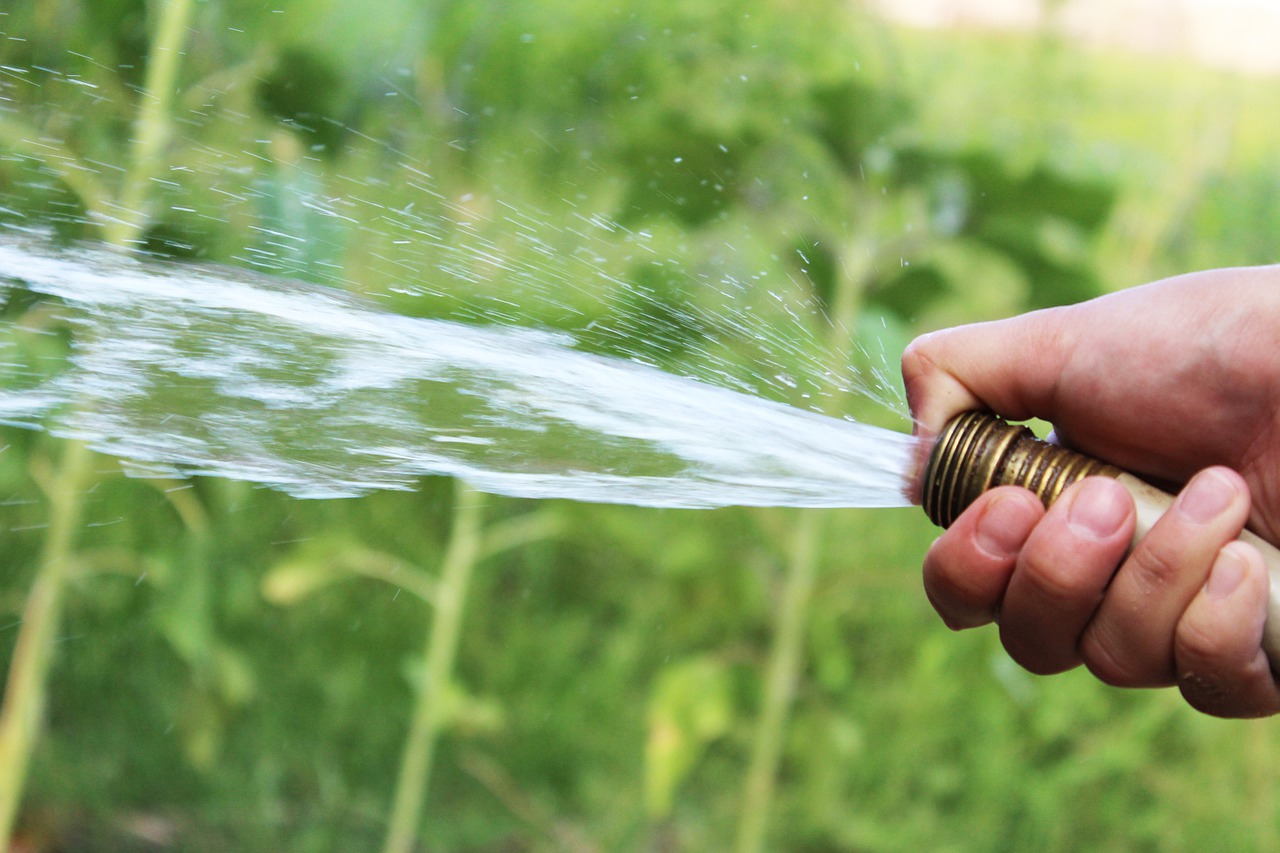
Water early in the morning and account for rainfall before running your irrigation. For established grass, deep, less frequent watering is generally preferable to light watering every day. Established lawns need 1 inch of water per week to remain healthy. Evening watering can extend the time blades remain wet, encouraging disease.
Interested in learning more about how much water your lawn really needs? We made a video that explains how to recognize when your lawn needs more water, why watering too frequently can cause problems, and how much water your grass needs each week.
Watch Now: How Much Water Does My Grass Actually Need?
Stick With Appropriate Fertilization
Fertilizer does not directly treat rust disease, but appropriate nutrition helps your grass maintain healthy growth.
That doesn’t mean you should add extra fertilizer whenever the lawn changes color. If you already receive lawn care, talk with your provider before applying anything yourself.
At Oasis, our focus is on building a thick, healthy lawn through ongoing care. Your mowing and watering habits help support that work between visits.
Should I Use Fungicides for Rust?
When something looks wrong with your lawn, it’s reasonable to ask whether we can spray it.
At Oasis, we do not use or recommend fungicide treatments.
Think of it like taking a cough drop when you have a cold. It may soothe your throat, but it doesn’t address what’s making you sick.
Similarly, fungicides can suppress disease, but they don’t fix the conditions stressing your grass or replace proper mowing, watering, and nutrition, all while being extremely expensive.
Investing in a healthier lawn through proper lawn care instead can help your grass build resilience against disease.
How Long Does Lawn Rust Last?
There isn’t one recovery date that applies to every lawn. Weather and the grass’s growth rate affect how quickly the change becomes noticeable. The important thing is that the lawn continues progressing as conditions improve.
Rust generally fades as weather conditions change and the grass continues growing. Rust disease typically begins to fade as air temperatures drop below 68 degrees.
You should gradually notice less orange residue and an improvement in the lawn’s color. Regular mowing helps remove affected blade tissue along the way.
How Do I Get Rid of Rust Disease?
Now that you understand more about rust disease, you may be wondering whether there’s a simple treatment to get rid of it without adding more work to your lawn care routine.
The best way to get rid of rust disease is to keep up with proper mowing. Maintain a height of 3-4 inches and remove no more than ⅓ of the blade at a time. As your grass grows, mowing gradually removes the affected portions of the blades as your grass continues to grow.
A thick, healthy lawn is one of your best defenses against lawn disease.
Keeping up with fertilization, improving soil health, and following proper practices like mowing and watering all help your grass stay healthier throughout the year. Professional lawn care helps give your lawn what it needs, when it needs it, with a consistent treatment schedule and guidance on how to support that care between visits.
Wondering what a year of professional lawn care could do for your lawn? We made a video that walks you through the treatments and changes you might see along the way.
Whether you’re considering lawn care or just curious about the process, you’ll get a behind-the-scenes look at a full year of professional lawn care.
Interested in professional lawn care but wondering what it would cost? We wrote an article that explains average lawn care costs in Cincinnati, what affects pricing, how to choose the right lawn care company, and how Oasis Turf & Tree compares to other providers.
Frequently Asked Questions
Do I need to reseed areas affected by rust?
Usually, established grass grows through rust without needing replacement. If bare or thin areas remain, have them evaluated before adding grass seed.
Can rust return next year?
Yes, rust can return when conditions favor it. Proper maintenance supports healthier grass, but no lawn care routine can guarantee that rust will never appear.
Can rust affect only part of my lawn?
Yes. Differences in shade, moisture, grass type, and growth can make rust more favorable in some areas than others.
Can newly seeded grass get rust?
Yes. Young grass can develop rust and may have a harder time recovering from a severe infection than established grass.