

Wild violet and ground ivy can be frustrating weeds to deal with, especially once they become established in your lawn. If you’ve noticed these weeds spreading, you may be wondering if you should treat them now, wait until a certain time of year, or take a different approach.
At Oasis Turf & Tree, we know effective weed control involves more than just applying a treatment. Factors like the timing of an application, the weed’s stage of growth, weather conditions, and the overall health of your lawn can all influence the results. For more than 30 years, we’ve helped homeowners understand these factors, address lawn problems, and make informed decisions about caring for their lawns.
We’re here to help you understand when wild violet and ground ivy are generally easiest to control, why timing matters, and what lawn conditions to consider before treating these persistent weeds.
Quick Answer: The best time to control wild violet and ground ivy is typically in the fall. Cooler fall conditions can provide a better environment for treatment, while summer heat and intense sunlight can cause treatments to evaporate before they have a chance to move into the plant. Fall is also an important time for these weeds because they are actively moving resources into their root systems in preparation for winter; treatments can follow that same movement, helping them reach the roots. Wild violet and ground ivy can be treated at the same time, but controlling them may take multiple treatments over several years. After an initial treatment, you may notice discoloration or changes in the leaves, which can be an early indication that the treatment is beginning to work.
In this article:
- How to Identify Wild Violet & Ground Ivy
- Why Does the Timing of Weed Control Matter, & When is the Best Time to Treat These Weeds?
- Can Wild Violet & Ground Ivy Be Controlled at the Same Time?
- What Weather Conditions Are Best For Treatment
- Should I Treat Wild Violet & Ground Ivy Myself or Hire a Professional?
- What Can Make Wild Violet & Ground Ivy Harder to Control?
- What Should I Expect After Treatment?
- Not Sure Which Weed Is Taking Over Your Lawn or How to Treat It?
- Frequently Asked Questions
How to Identify Wild Violet & Ground Ivy?
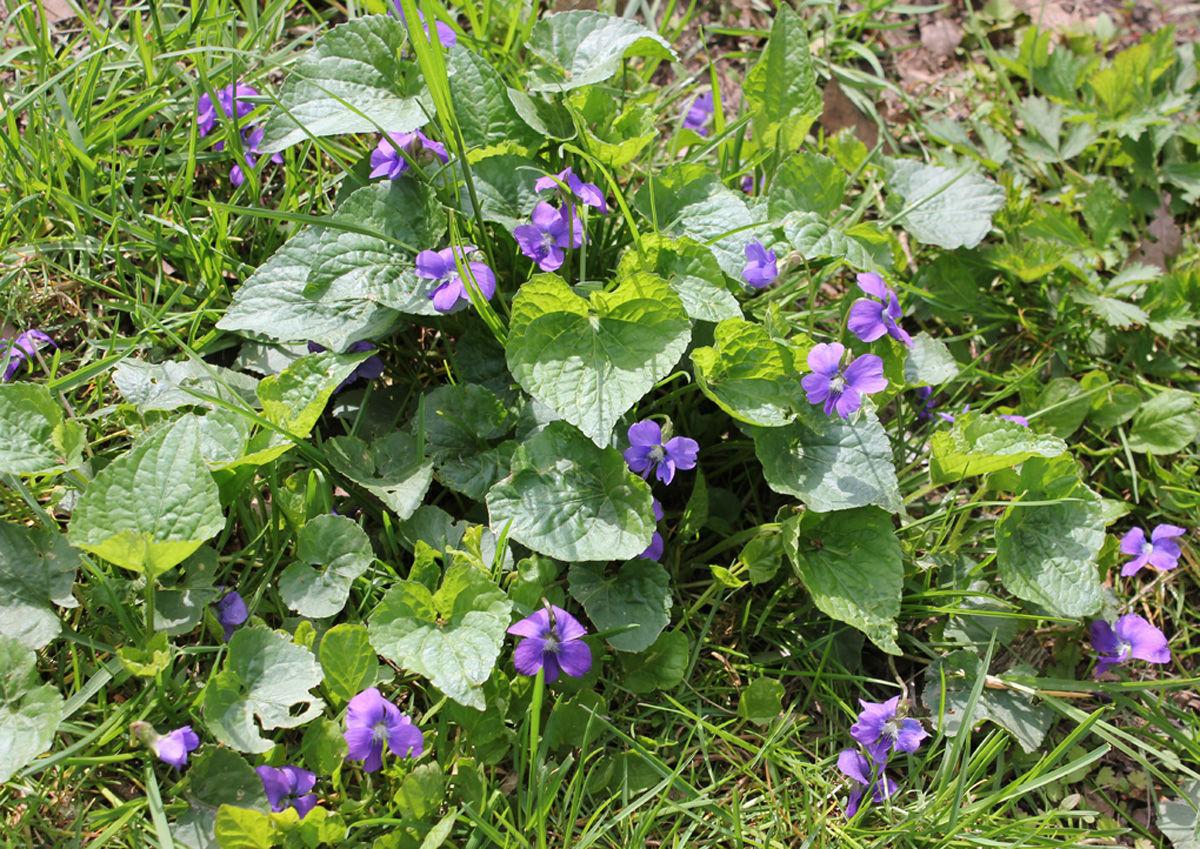
If you think you’re dealing with wild violet or ground ivy but aren’t quite sure how to tell them apart, knowing what to look for can help. These weeds may look similar at first, but each has distinct characteristics, including leaf shape, flower color, and growth habits. Learning to identify these features can help you determine which weed is growing in your lawn and take the right steps to manage it.
Photo of Wild Violet
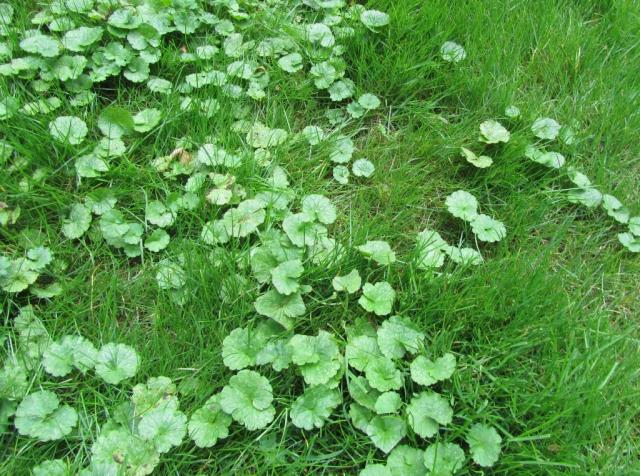
Photo of Ground Ivy
|
Characteristics |
Wild Violet |
Ground Ivy |
|
Leaves |
Glossy, heart-shaped leaves |
Kidney-shaped leaves with ribbed edges |
|
Flowers |
Typically purple flowers |
May produce white flowers |
|
Growth habits |
Stems typically grow individually from the ground |
Spreads along the ground using above-ground stems |
|
Scent |
No distinct scent when crushed |
Releases a mint-like odor when crushed |
|
Where it grows |
Flower beds, drought-stressed lawns, and areas near woodlands |
Thin or weak grass, under low tree canopies, and areas with poor drainage |
|
Common conditions |
Thrives in shady, damp areas |
Thrives in shady, damp areas |
Why Does the Timing of Weed Control Matter & When is the Best Time to Treat These Weeds?
The time of year can have a big impact on how effectively certain weeds can be controlled. While weed control treatments can be applied during the warmer months, they may not work as effectively as they do in the fall.
During the Summer
These weeds respond to heat and drought stress by developing a thicker, waxy outer layer called a cuticle. This coating helps the plant conserve water, but it can also make it more difficult for weed control to penetrate the plants and move into their root systems.
During the Fall
These weeds are actively preparing for winter and are more receptive to weed control treatments. The plant is moving resources down into its root system, which allows weed control to move more effectively throughout the plant. This makes fall an ideal time to target the entire plant rather than simply suppressing what is visible above the soil.
During the Spring
You may still be able to achieve effective weed control in the spring, but fall treatments are typically more effective and provide better control.
Timing treatments when the plant is most receptive can help improve control and reduce the number of repeated applications needed.
Weed control isn't simply a matter of applying a treatment on a specific calendar date. The right timing depends on the conditions at the time of treatment and the specific weed being targeted. By considering these factors, treatments can be applied when the weed is most likely to respond effectively.
Can Wild Violet & Ground Ivy Be Controlled at the Same Time?
Wild violet and ground ivy can often be treated with cool-season weed control products during the same fall treatment window. However, because these weeds can be persistent and have a relatively short window when they can be effectively treated, controlling them may require multiple rounds of treatment and several years of consistent management, even when professionally treated.
What Weather Conditions Are Best For Treatment?
For the best results, weeds should be actively growing, and the lawn should not be under significant stress from extreme heat or drought. Moderate temperatures and adequate soil moisture can help weeds respond more effectively to treatment. However, excessively wet conditions can also interfere with applications and may increase the risk of runoff.
Rain can also affect treatment results. Depending on the product being used, a certain amount of rain-free time may be needed after application. Always follow the product label and professional application instructions for specific requirements.
In general, treatment should be avoided when conditions are unfavorable, such as during:
- Severe heat
- Drought
- Other periods of significant lawn stress
Rather than relying on one specific date, the goal is to treat when the weeds are actively growing, and weather conditions allow the treatment to work effectively.
Should I Treat Wild Violet & Ground Ivy Myself or Hire a Professional?
Whether you should treat wild violet and ground ivy yourself or hire a professional depends on the size of the problem, your confidence in identifying and treating the weeds, and the overall condition of your lawn. For a small, identified problem, DIY treatment may be a good option. However, larger or recurring weed infestations can be more difficult to address without the proper knowledge and training.
|
DIY May Be a Good Option If… |
Professional Help May Be a Good Option If… |
|
You are willing to monitor the area and follow up if the weeds return. |
The lawn is already stressed. |
|
Your lawn is otherwise healthy and not under significant stress. |
Identification is uncertain. |
|
The infestation is limited to a small area. |
Previous treatments have not worked. |
|
You understand the product's label instructions and application requirements. |
You’re unsure about product selection or application. |
What Can Make Wild Violet & Ground Ivy Harder to Control?
Wild violet and ground ivy can be more difficult to control when treatments are applied at the wrong time of year, during unfavorable weather conditions, or without following proper application instructions.
Treating at the Wrong Time of Year
Wild violet and ground ivy can be more difficult to control when they are treated at a time of year when they are not actively growing. Treatments generally work best when weeds are actively taking in nutrients and moving resources throughout the plant. Applying a treatment when the weeds are dormant or growing slowly may limit how effectively the treatment is absorbed and moved through the plant.
Applying Treatments During Unsuitable Weather
Weather conditions can affect how well a weed treatment is absorbed and how long it remains effective on the plant. Intense direct sunlight, excessive heat, or drought can interfere with treatment performance. For example, intense sunlight and heat can cause some treatments to dry too quickly before they have enough time to be absorbed into the plant.
Failing to Follow Label Instructions
Application rates, timing, temperature restrictions, watering requirements, and other instructions can vary depending on the product being used. Applying too much or too little product, using it under the wrong conditions, or skipping required instructions can reduce effectiveness and potentially damage desirable plants or turf.
What Should I Expect After Treatment?
Wild violet and ground ivy most likely will not disappear immediately after treatment. These weeds typically take time to respond, and the results you see can vary depending on the weed’s growth stage, weather conditions, lawn health, and how established the weeds are.
How Quickly Will I See Results?
Some weeds may begin showing signs of decline within days, such as discoloration of the leaf blades, while others can take longer to respond.
Why Might Some Areas Respond Differently?
Results may vary across the same lawn. Areas with different levels of sunlight, moisture, soil conditions, weed maturity, or stress may respond differently. Heavy infestations may also take longer to improve than smaller or less-established patches.
When Should I Consider a Follow-up Assessment?
If the weeds are not showing signs of improvement after 14 days, continue spreading, or repeatedly return, a follow-up service call may be helpful. This can help determine whether additional treatment, a change in approach, or improvements to overall lawn conditions are needed.
What if the Weeds Have Been Established for a Long Time?
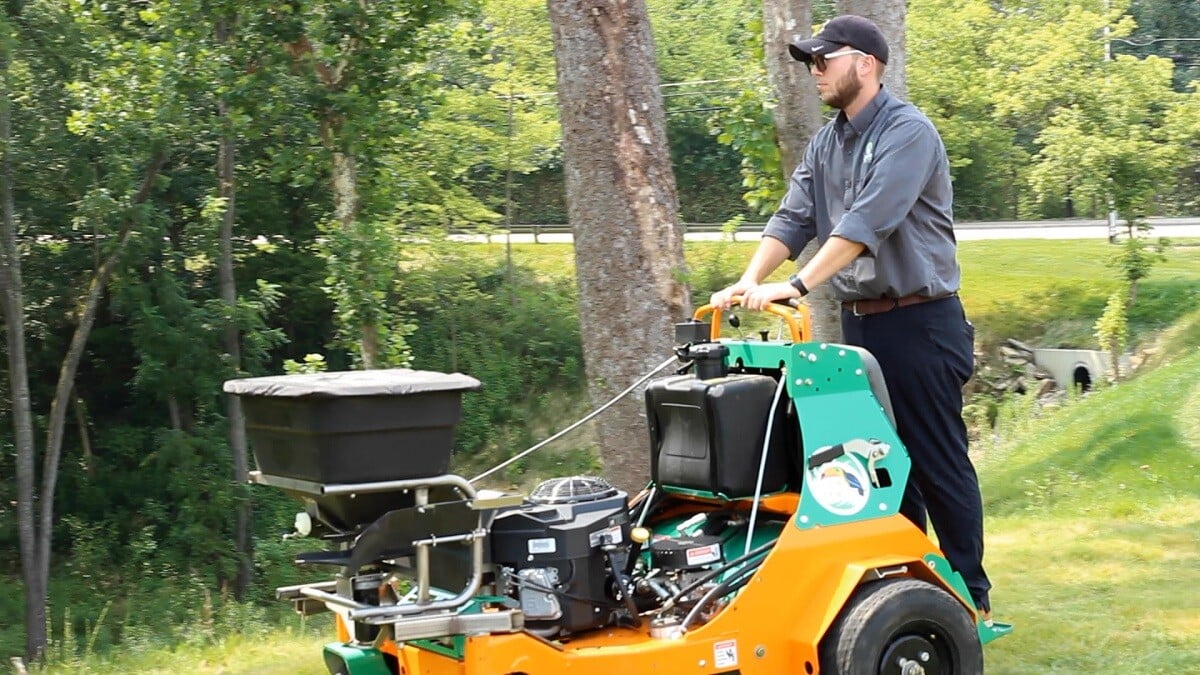
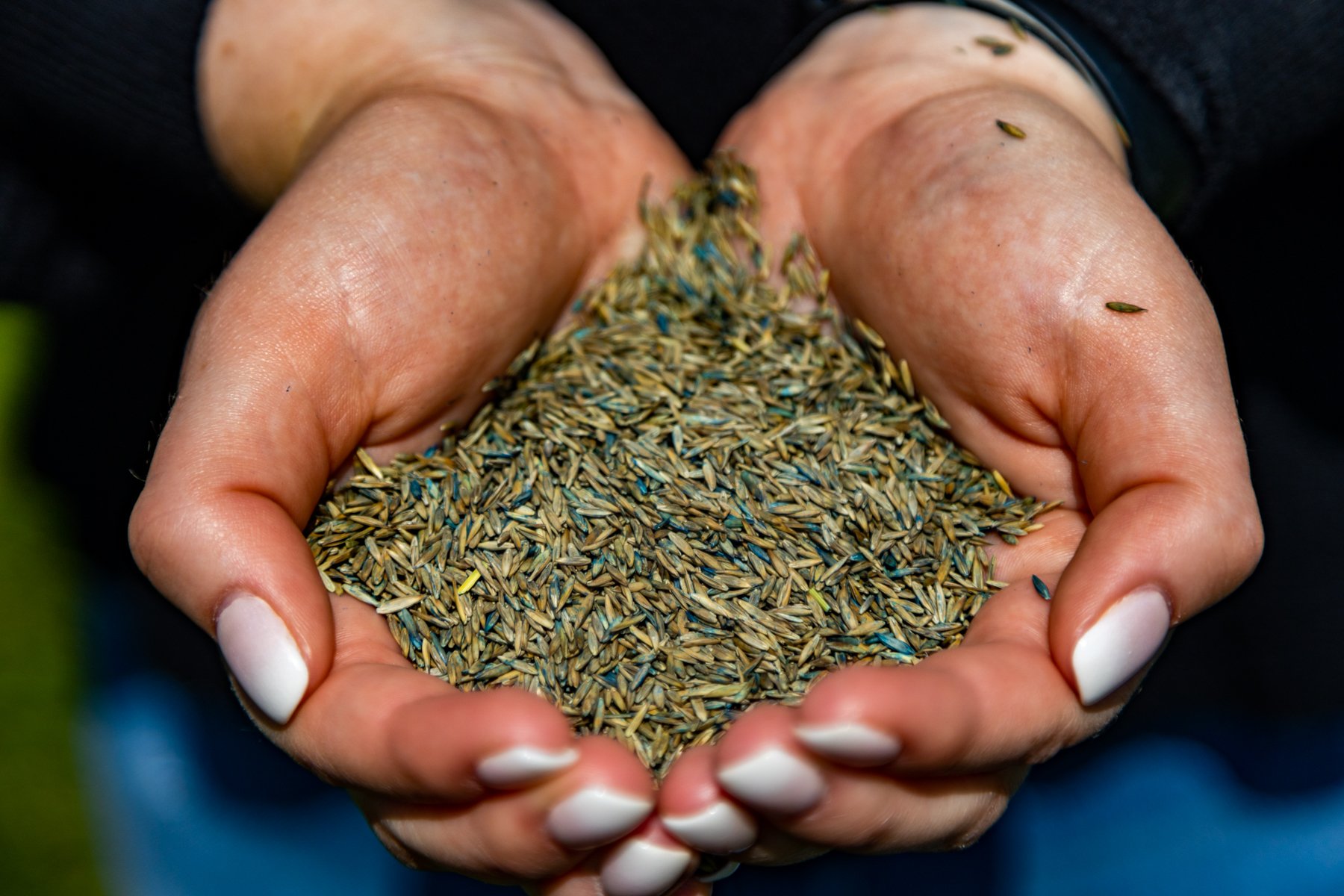
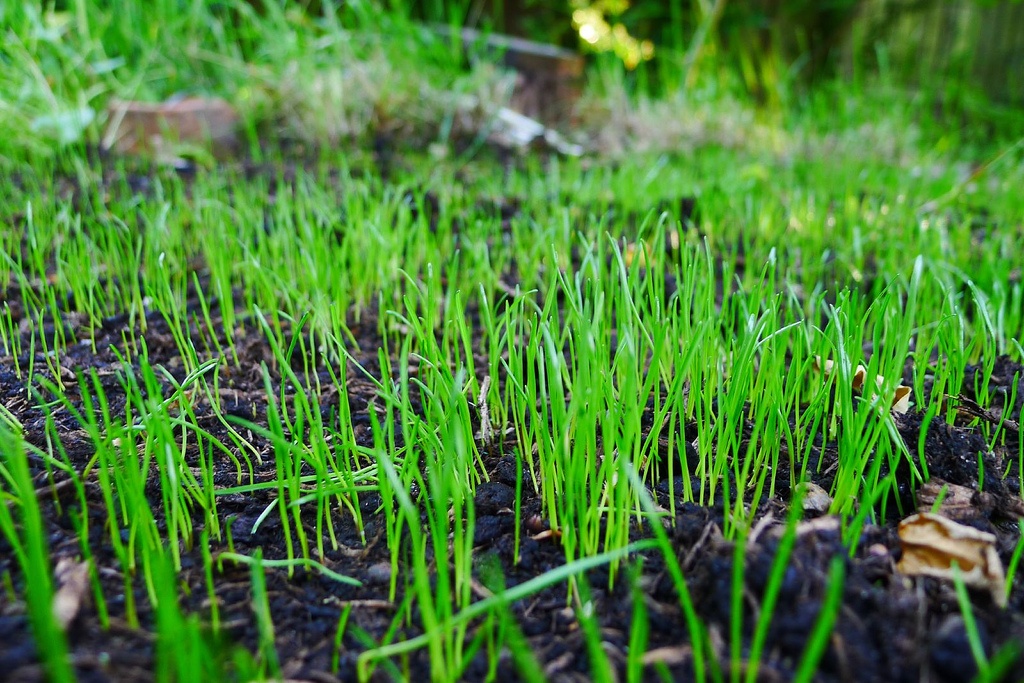
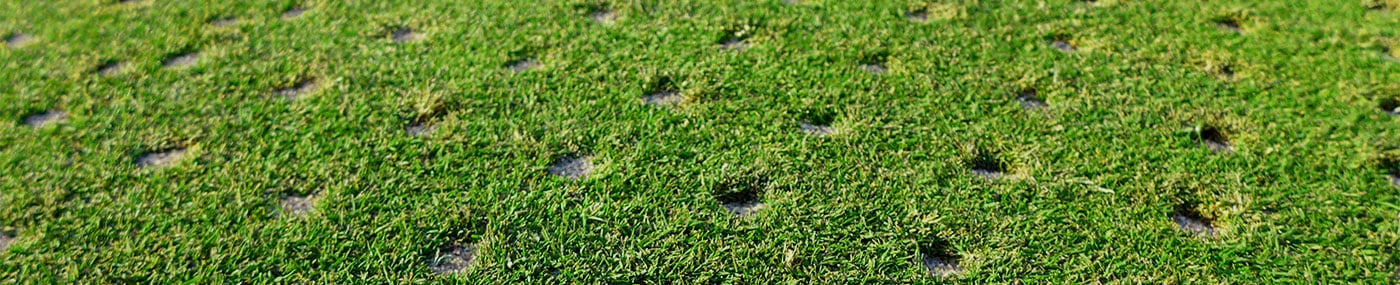
Established wild violet and ground ivy can be more difficult to manage because they may have spread extensively or become well-rooted throughout the lawn. In these situations, weed control may be only one part of the solution. Improving turf density, which can be done with aeration and overseeding, addressing conditions that favor weed growth, and maintaining a consistent lawn-care plan can help create stronger competition against future weeds.
What Should I do if the Problem Persists?
If these weeds continue to be a problem, consider having the lawn evaluated to identify contributing factors and determine whether additional weed control or broader lawn-care practices are needed.
Not Sure Which Weed is Taking Over Your Lawn or How to Treat It?
If you’re having trouble identifying the weed taking over your lawn, a lawn care professional can help you determine what you’re dealing with and what treatment options may be appropriate. Whether you choose to tackle the problem yourself or hire a professional, getting expert advice can give you a better understanding of what your lawn needs and help you choose an approach with confidence.
At Oasis Turf & Tree, you can talk with one of our Turf & Tree Specialists for expert guidance by calling (513) 697-9090. If you’re ready to explore professional lawn care, you can also request a free quote by filling out a quick form on our website.
If you’re still exploring your options and want to learn more before deciding what’s right for your lawn, check out our YouTube series on common weeds found in Cincinnati, Dayton, and Northern Kentucky. We cover how to identify them, where they tend to grow, and what you can do to help keep them under control.
Frequently Asked Questions
Will pulling ground ivy or wild violet by hand work?
Hand-pulling can remove individual plants or small patches, but it may be difficult to remove all of the plant, particularly when ground ivy has spread through above-ground stems. Larger or well-established areas may require a more comprehensive approach.
Can mowing get rid of ground ivy or wild violet?
Mowing can remove the visible portions of these weeds, but it does not eliminate established plants. Ground ivy and wild violet can continue growing after being mowed, so mowing is better viewed as a regular lawn-maintenance practice rather than a standalone weed-control solution.
Why are these weeds growing where my grass won't?
Ground ivy and wild violet can tolerate conditions that are challenging for grass, including shade and moisture. If grass is struggling in a particular part of the lawn, weeds may have an easier time occupying that space.
Does shade make ground ivy and wild violet worse?
Shade can create favorable conditions for these weeds while simultaneously making it more difficult to maintain dense turfgrass. This can give ground ivy and wild violet more opportunity to establish.
Topics:
.jpg?width=2048&height=1365&name=NALP_Gayle_Lawn_Pictures%20(34).jpg)

.jpg?width=2048&height=1365&name=NALP_Gayle_Lawn_Pictures%20(34).jpg)
.jpg?width=2048&height=1366&name=NALP_Gayle_Lawn_Pictures%20(8).jpg)
.jpg?width=2048&height=1366&name=NALP_Gayle_Lawn_Pictures%20(9).jpg)