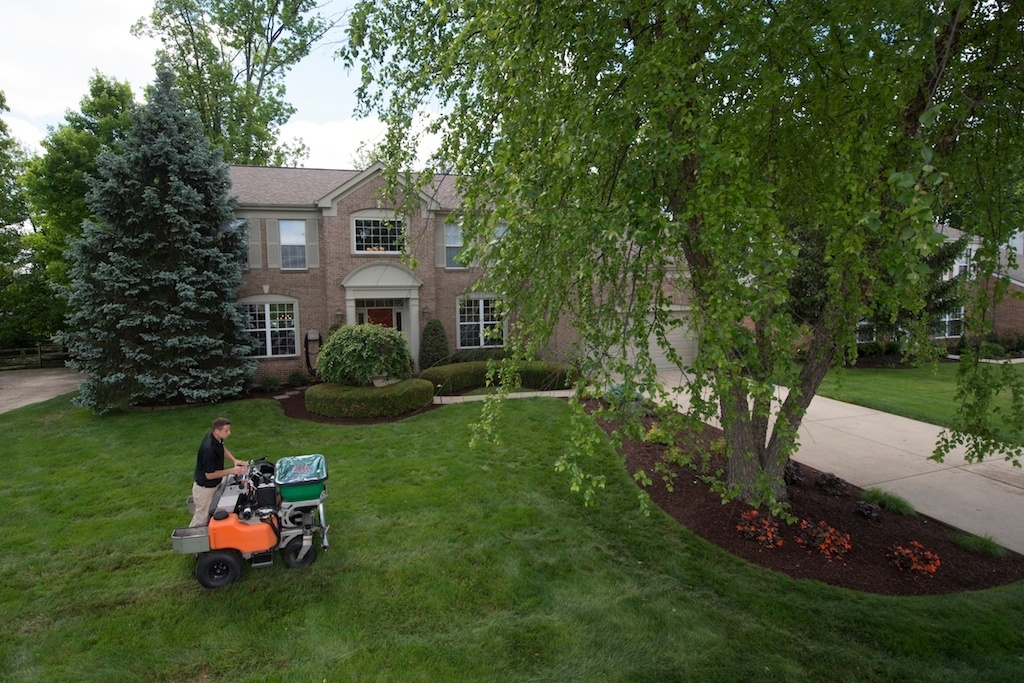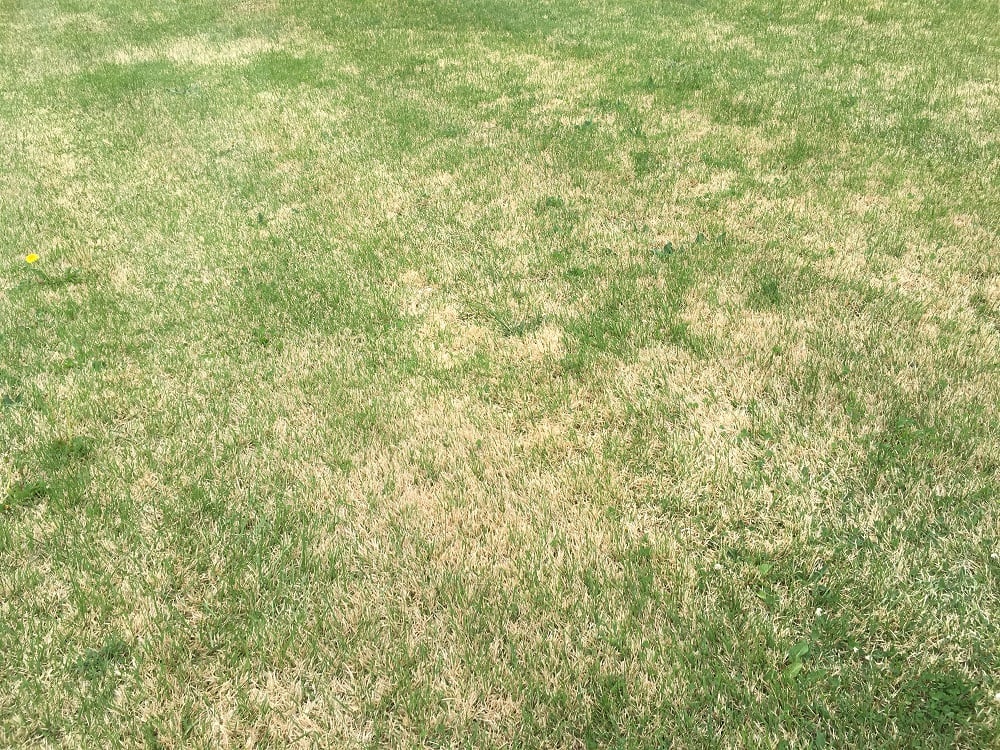

Investing in Aeration & Overseeding is an important step toward building a thicker, healthier lawn, but the work doesn't stop once the service is complete. If you're expecting to see new grass fill in right away, you may be wondering why your lawn doesn’t look different right away. Germination and establishment take time, and several factors can affect how well your new seed grows.
For over 30 years, we at Oasis Turf & Tree have emphasized that proper follow-up care is just as important as the Aeration & Overseeding service itself. The truth is, we can do the best job possible with aeration and overseeding, and your lawn may still fall short of the results you’re hoping for. That’s because homeowners play an important role in building on the foundation we provide.
Candidly, some lawn care companies promise great results without explaining what homeowners need to do afterward. We can’t approach lawn care that way because we care about your results, even if that forces us to admit we’re only part of what it takes to build a healthy, growing lawn.
So, this article is going to teach you how to prepare your lawn before service, as well as how to water, mow, and care for your yard afterward. We'll specifically walk you through the steps that can help your new grass get established and grow into a healthier, thicker lawn.
Quick Answer: To get the best results from your Aeration & Overseeding, it’s important to, ensure adequate watering before the service, address major health issues beforehand, limit heavy foot traffic, and follow aftercare instructions. Most importantly, keep the soil consistently moist without oversaturating it. Adequate moisture is essential for seed germination, so following a consistent watering routine can give your Aeration & Overseeding the best opportunity for successful establishment. For the first 20 days, consistent watering is especially important as the new seed begins to germinate and develop.
In this article:
- What’s the Goal of Aeration & Overseeding?
- How Do You, As a Homeowner, Prepare Your Lawn for Aeration & Overseeding?
- How Do You Choose the Right Time for Aeration & Overseeding?
- What Do I Need To Do To Give My Lawn Seed the Best Possible Start?
- What is the Right Watering Routine After Overseeding?
- When & How Do I Mow After Overseeding?
- What If Some Areas Don’t Fill In?
- Questions to Ask Any Lawn Care Professional
- How Much Will Aeration & Overseeding Cost Me?
- Frequently Asked Questions
What’s the Goal of Aeration & Overseeding?
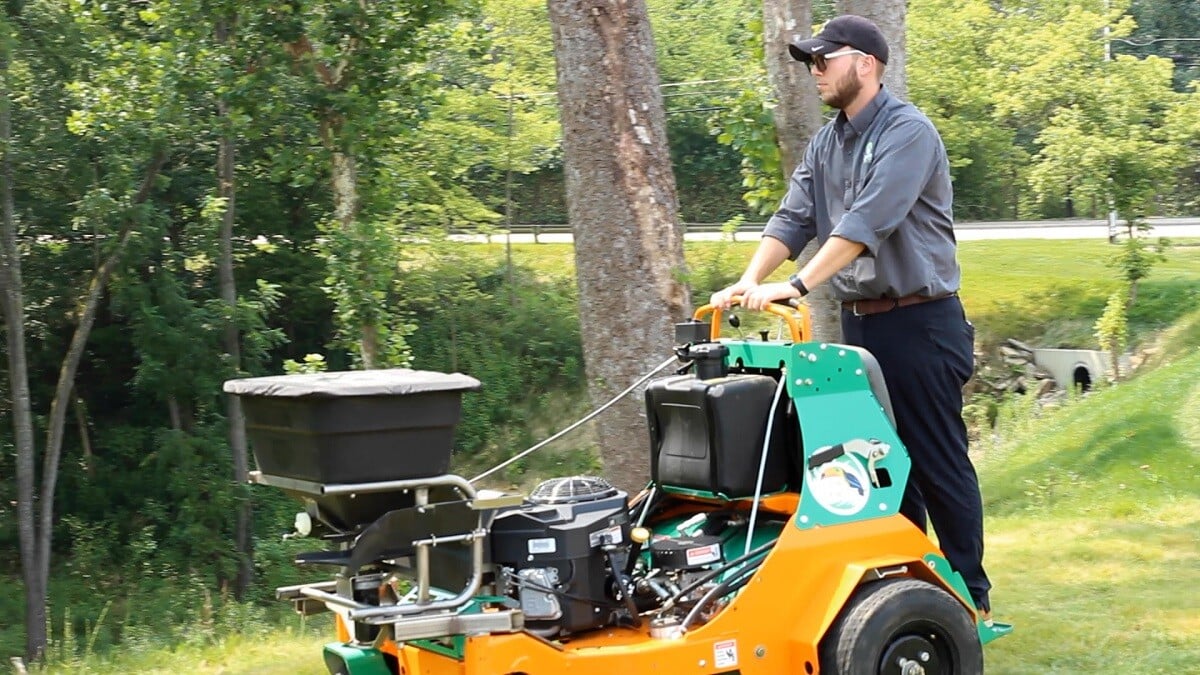
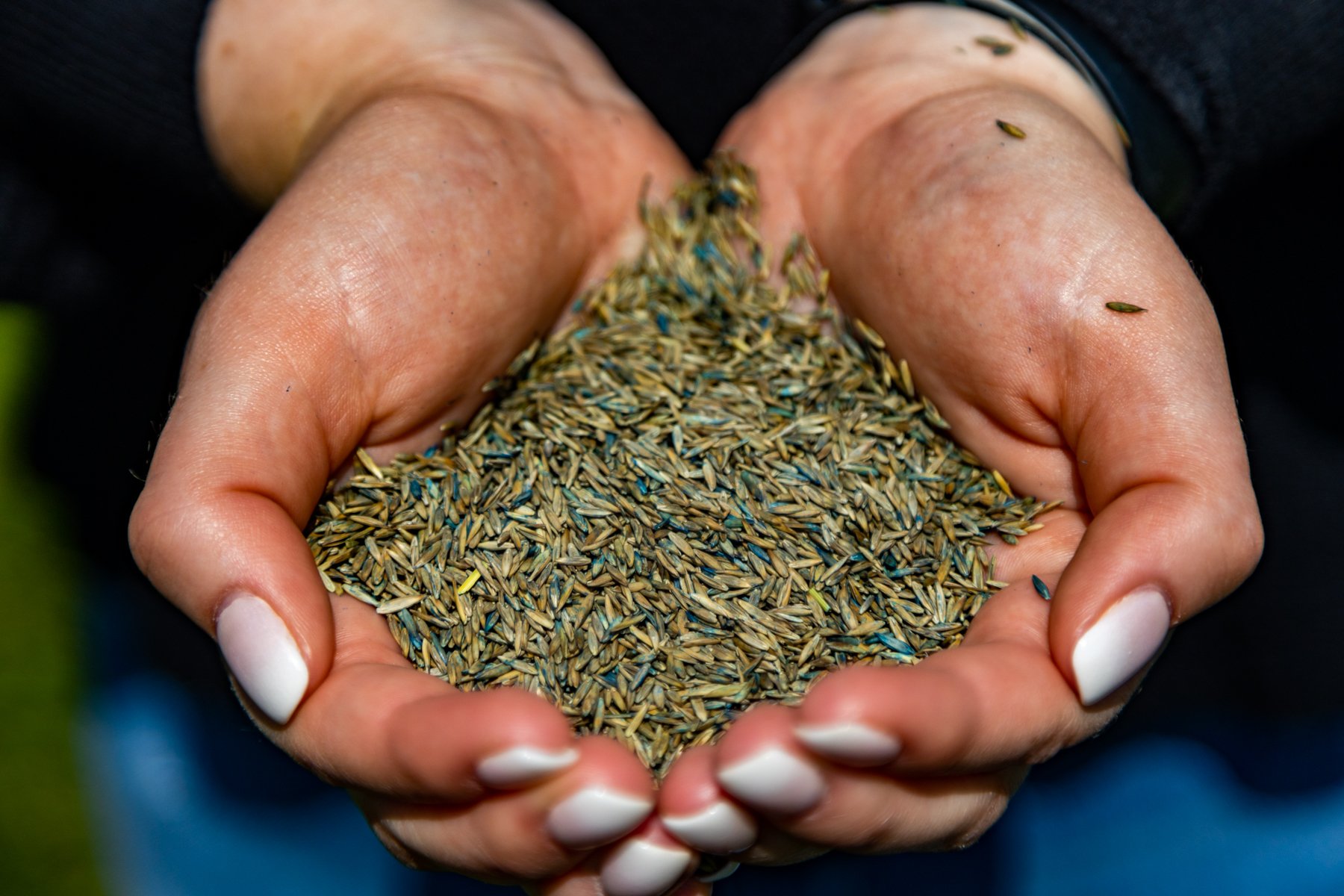
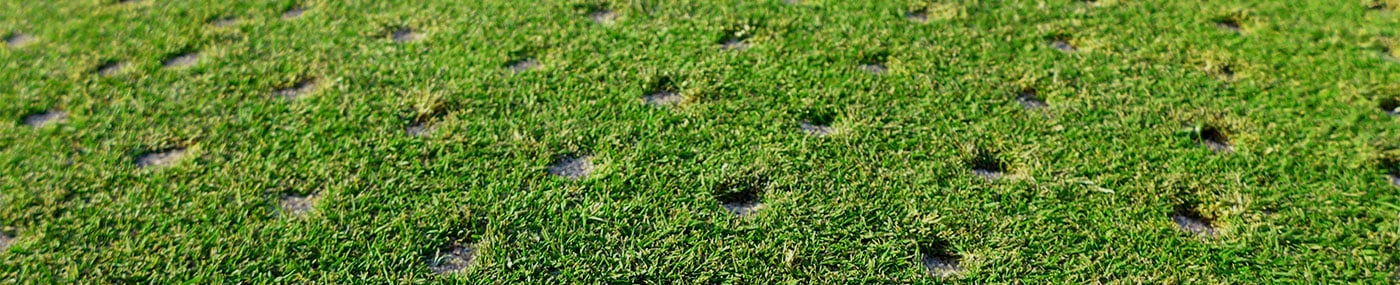
Aeration & Overseeding helps improve your lawn’s access to the oxygen, water, and nutrients it needs to grow stronger, healthier, and fuller. Aeration opens up compacted soil, something lawns in Cincinnati, Dayton, and Northern Kentucky commonly experience because of our heavy clay soils, creating space for air, water, and nutrients to reach the root zone more effectively. It also improves seed-to-soil contact, giving new seed the space and resources it needs to germinate. Overseeding introduces high-quality seed to help improve lawn density and establish desirable grass varieties that are well-suited to your region.
Aeration & Overseeding are two services often performed together because they work hand in hand. Without aeration, much of the seed remains sitting on top of the existing turf, making it more difficult for the seed to reach the soil and successfully germinate. For this reason, we at Oasis do not recommend or perform overseeding without aeration.
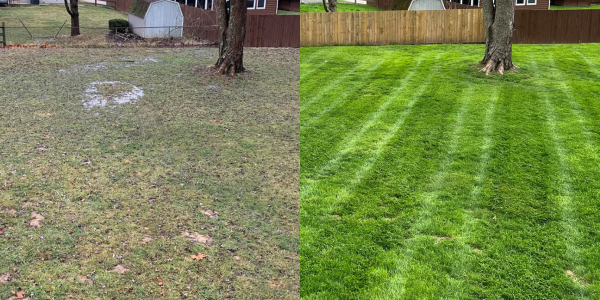
Aeration & Overseeding can improve the overall health and density of your lawn by helping it take in nutrients more effectively while also filling in spaces to leave less room for unwanted grass types and weeds to take hold. However, Aeration & Overseeding cannot realistically transform a completely barren lawn that needs a full renovation. For lawns in this condition, we recommend considering a complete lawn renovation to address the underlying issues and establish new, healthy turf from the ground up.
How Do You, As a Homeowner, Prepare Your Lawn For Aeration & Overseeding?
Proper preparation can play a big role in getting the most out of your Aeration & Overseeding service. Keeping up with regular lawn maintenance, including mowing, watering, and addressing major weed issues, can help create the conditions your lawn needs for successful aeration and seed establishment.
Proper Mowing Habits
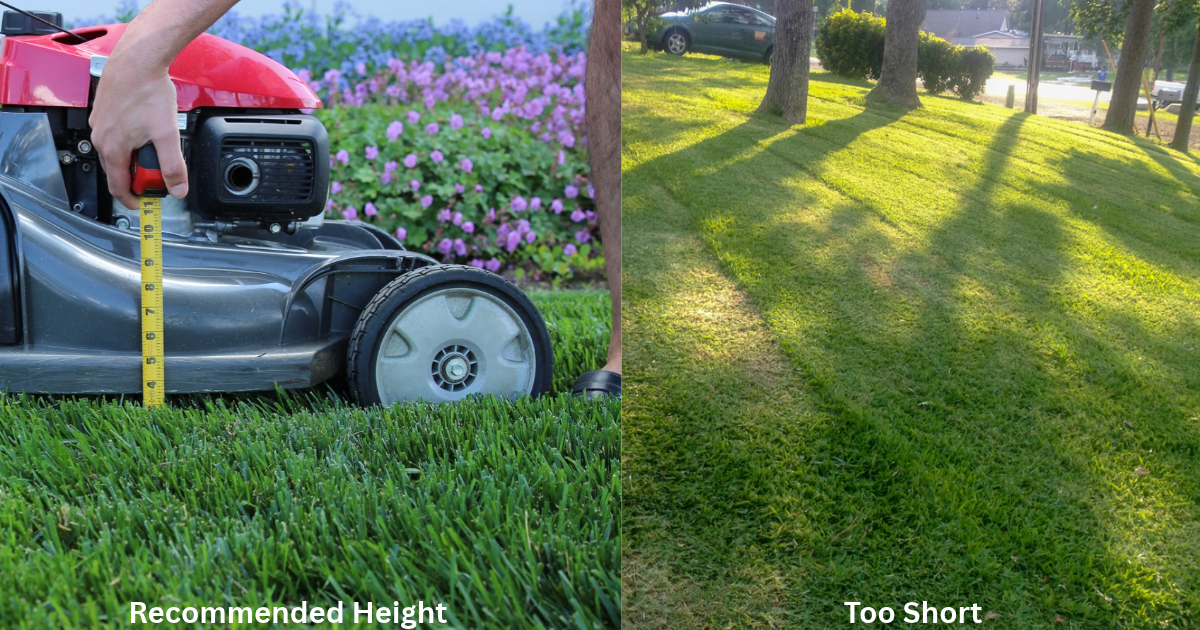
Keeping up with your normal mowing routine before Aeration & Overseeding can help create better conditions for the new seed to establish. We recommend mowing as needed, typically every week or two, at a height of 3 ½ inches. Continue mowing your lawn as you normally would leading up to your service, but avoid cutting the grass excessively short. Maintaining an appropriate mowing height helps protect your existing grass and keeps your lawn in a better position to recover after aeration and overseeding.
Ensuring Adequate Watering Before the Service
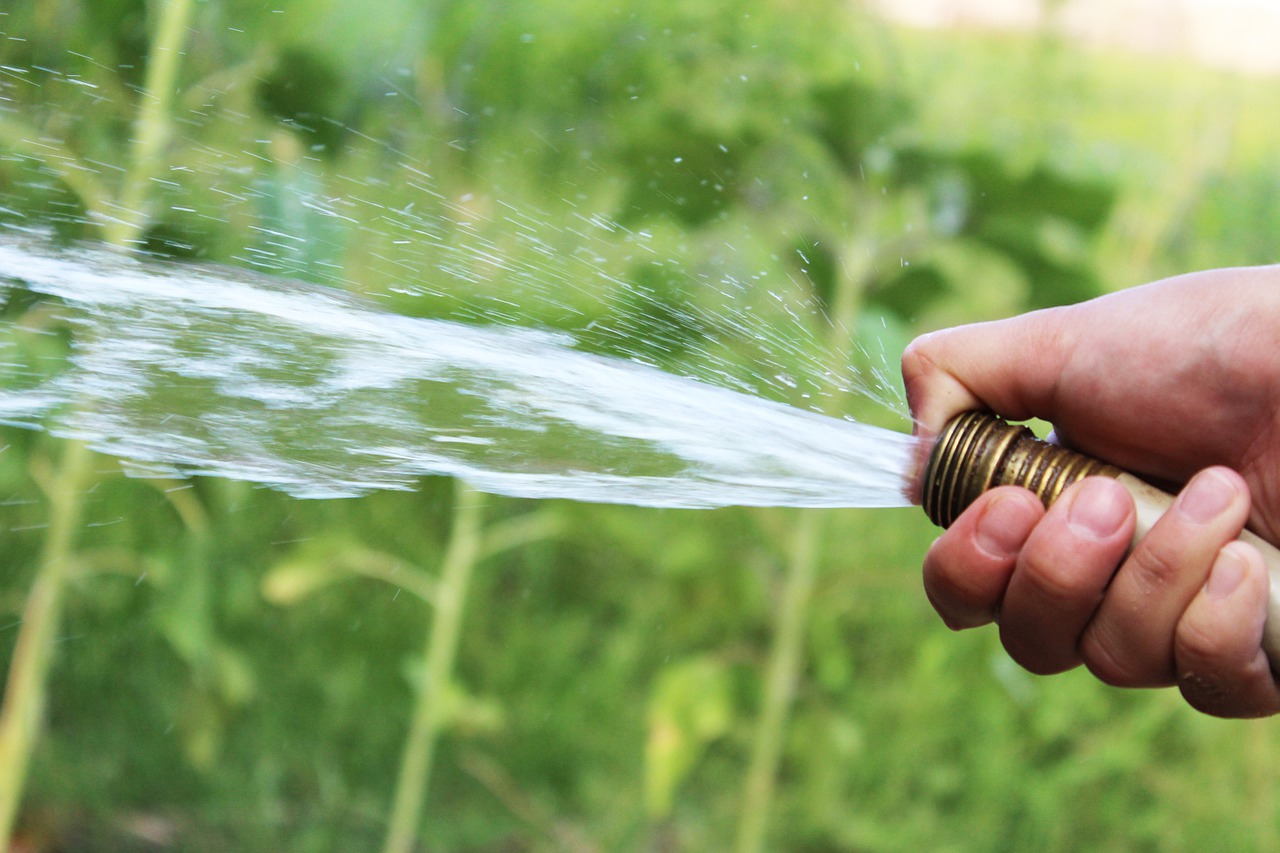
We recommend maintaining your lawn’s normal watering routine of about 1½ inches of water per week to help keep the soil at an appropriate moisture level.
Proper soil moisture can help your Aeration & Overseeding service produce better results. Water your lawn as you normally would leading up to your service to ensure the soil is moist enough for the aerator to penetrate to the proper depth and pull effective soil plugs. Avoid overwatering, as excessively wet soil can make it more difficult for the seed to settle properly after overseeding.
Want to learn more about proper lawn watering habits? Check out our YouTube video, where we explain how often to water your lawn in Cincinnati, Dayton, and Northern Kentucky, the best time of day to water, and why deep, infrequent watering can help promote a healthier lawn.
Marking Lawn Features Such as Irrigation Heads and Invisible Fences
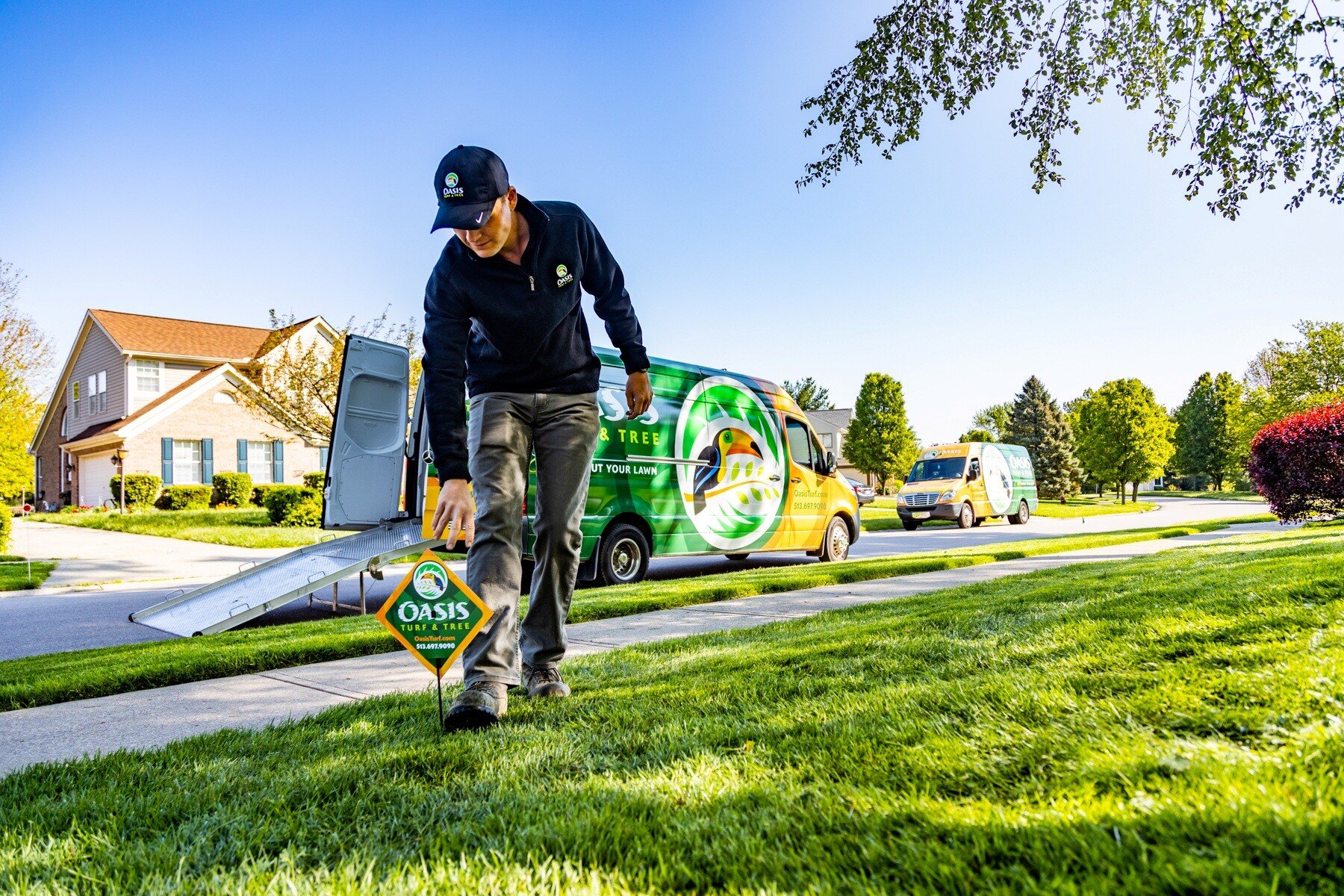
Before your Aeration & Overseeding service, make sure flags are placed in the ground to mark irrigation heads, invisible fence lines, and any other features that could be damaged by the aerator. They should be marked with flags in the ground. Identifying these areas ahead of time can help your technician know where to take extra care while working throughout your lawn. If you’ve had your lawn serviced previously and have an irrigation system or invisible fence installed since your last service, it’s important that you communicate that before your appointment.
Addressing Major Lawn Health Issues Beforehand
Aeration & Overseeding can help improve the health and density of an established lawn, but it is not designed to completely renovate a lawn with severe damage or widespread health issues. If your lawn has major weed problems, significant bare areas, disease, or other underlying concerns, addressing these issues beforehand can help create better conditions for your new seed to establish. Depending on the condition of your lawn, a different treatment or renovation approach may be more appropriate.
Remove Toys, Furniture, & Other Debris From the Lawn
Before your scheduled service, remove anything in the yard that could get in the way of machinery, such as:
- Movable furniture
- Children’s toys
- Hoses
- Grills
Clearing these areas gives our technicians the space they need to work efficiently and allows the aerator to cover as much of the lawn as possible. It can also help prevent items from being damaged during the service.
Make Sure Your Lawn is Accessible on the Scheduled Service Day
Making sure your lawn is accessible on the day of your Aeration & Overseeding service can help prevent delays and ensure the work gets completed as scheduled. Keep gates unlocked or provide access instructions if your lawn is located behind a gate. If there are any special access concerns or areas you do not want treated, communicate that ahead of time so that plans can be made accordingly.
How Do You Choose the Right Time for Aeration & Overseeding?
The ideal timing for Aeration & Overseeding can vary based on your local climate, soil temperature, and seasonal growing conditions.
In Cincinnati, Dayton, & Northern Kentucky, we recommend having Aeration & Overseeding services performed in the fall. Fall provides ideal conditions for new seed to germinate and establish while giving the grass plenty of time to develop before spring growth and the stress of summer temperatures.
Local Climate & Growing Conditions
Your local climate can play a major role in determining when Aeration & Overseeding should take place. Temperature, rainfall, and seasonal weather patterns can all affect how quickly new seed germinates and establishes. Excessively hot and dry weather is not ideal for Aeration & Overseeding because it can dry out the soil and make it more difficult for new seed to germinate and establish. Seeds need adequate moisture to begin germinating and developing properly.
Soil Temperatures
Soil temperature can influence how quickly grass seed germinates and establishes after overseeding. Aeration & Overseeding should be performed when soil temperatures are suitable for your grass type, giving new seed the conditions it needs to begin growing and developing a healthy root system. The ideal soil temperature for seed germination of cool-season grasses is between 60 and 70 degrees. However, germination becomes much less likely when soil temperatures drop below 55 degrees.
What Do I Need To Do To Give My Lawn Seed the Best Possible Start?
Once your lawn has been aerated and seeded, proper care can make a big difference in how well the new seed germinates and establishes. While the seed itself is important, providing the right conditions afterward gives it the best opportunity to develop into healthy, established grass. It’s important to prioritize seed-to-soil contact, keep the soil consistently moist, limit heavy foot traffic, and follow the after-service care instructions provided.
Keep the Soil Consistently Moist
Newly seeded areas need regular moisture to support germination and early growth. This may mean adjusting your normal watering routine after your service. Rather than allowing the soil to dry out completely, aim to keep the seeded areas consistently moist without creating excessively wet conditions. As the new grass develops stronger roots, your watering habits can gradually return to a deeper, less frequent schedule.
Limit Heavy Foot Traffic
Walking, playing, or placing heavy equipment on newly seeded areas can disturb the seed and compact the soil before the new grass has had a chance to establish. Whenever possible, give newly seeded areas time to develop before subjecting them to heavy use.
Pay Attention to the Weather
Weather conditions can have a major impact on how quickly seed germinates and establishes. Warm, moderate temperatures and consistent moisture can support germination, while excessively hot, dry, or cool conditions can slow the process. Rainfall can also affect your watering needs, so adjust your routine based on the conditions rather than following a rigid schedule. For example, if you’re expected to receive significant rainfall, you may not need to water it additionally. Too much moisture can cause weak or shallow roots and suffocate the seed before it gets a chance to germinate.
Follow After-Service Care Instructions
Seed varieties, soil conditions, weather, and lawn conditions can all affect the care your newly seeded lawn needs. Your lawn professional can provide recommendations based on the specific seed and conditions of your lawn. Following those instructions as closely as possible can help give the new grass the moisture, protection, and growing conditions it needs to become established.
Want to learn more about how to properly water your lawn after Aeration & Overseeding? We made a YouTube video that covers the recommended daily watering schedule during the first three weeks, when to adjust your watering as the grass matures, and tips to help you avoid both under- and overwatering.
What is the Right Watering Routine After Overseeding?
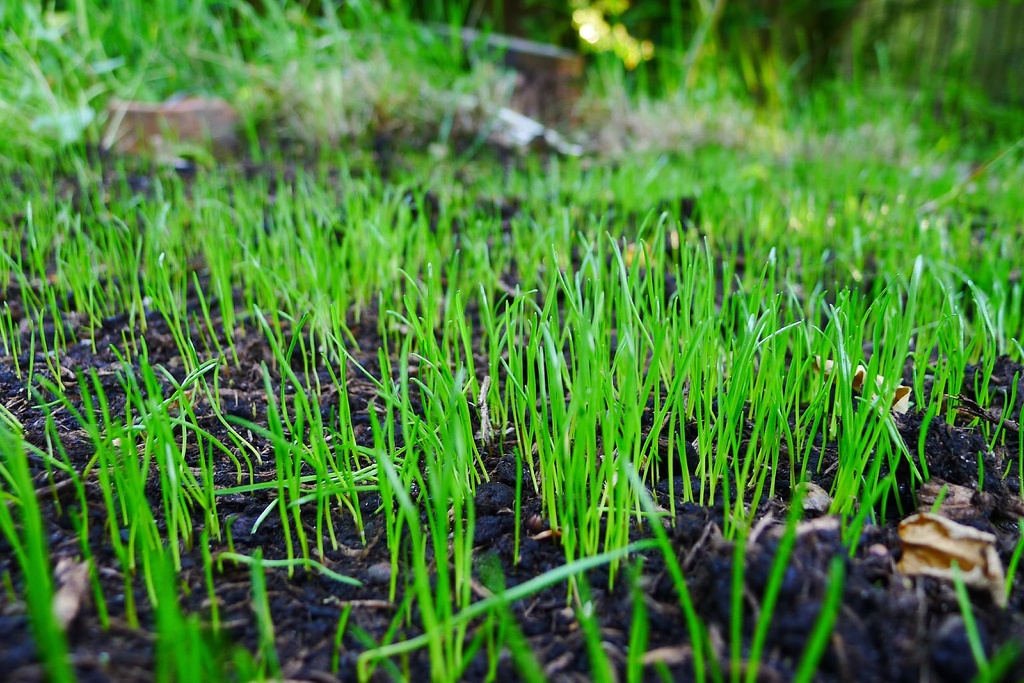
Proper watering after Aeration & Overseeding can help new seed stay moist enough to germinate and give developing grass the moisture it needs to establish. Instead of following one rigid watering schedule, adjust your routine based on the stage of growth, weather conditions, and how quickly your soil is drying out. For the first 20 days after seeding, consistent watering is especially important to help the new grass seed grow.
|
Watering Stage |
Watering Instructions |
What to Keep in Mind |
|
Initial Watering |
Begin with a thorough initial watering of approximately 1 inch or more, allowing moisture to reach 6-8 inches into the soil. |
Deep watering helps encourage developing roots to grow deeper into the soil and can make daily watering more effective during early establishment. Avoid excessive watering that causes runoff. |
|
First 3 Weeks |
Water daily with light amounts of water to keep the soil surface consistently moist. |
During hot or dry weather, you may need to water 2-3 times throughout the day to maintain adequate moisture. |
|
Fourth Week |
Gradually transition from light, daily watering to deeper watering every other day. Water each zone for approximately 30 minutes. |
Allow the soil surface to dry slightly between waterings while keeping the root zone consistently moist. |
|
Fifth Week |
Water every other day, providing approximately 10 minutes of watering per zone. |
Deeper watering helps maintain adequate moisture for developing roots and newly germinating seed. |
|
Sixth Week |
Return to your lawn’s normal watering routine, providing approximately 1 inch of water per week. |
This amount should provide enough moisture to support healthy growth and overall lawn performance. |
When & How Do I Mow After Overseeding?
You can continue mowing your lawn as needed after Aeration & Overseeding. Once the new grass begins to germinate and grow, it’s important to keep up with your normal mowing routine so the grass doesn’t become overgrown. If you’re watering properly and the new seed is establishing well, you may notice your lawn growing more quickly than usual.
When mowing after overseeding, do not bag your grass clippings. Instead, allow the clippings to remain on the lawn. Your mower should be able to distribute the clippings evenly across the lawn rather than leaving piles that could cover newly developing grass.
Aim to maintain your lawn at approximately 3½ inches. Mow whenever the grass needs it rather than following a strict schedule. Depending on growing conditions, this may mean mowing about once or twice per week. Avoid letting the grass become excessively tall between mowings, as maintaining a consistent mowing height can help support healthy establishment.
Want to learn more about proper mowing habits? Check out our YouTube video, where we cover the ideal mowing height, different mower settings, why sharp mower blades matter, and how often you should mow your lawn.
Watch Now: Proper Mowing Tips | The 3 Most Important Categories
What if Some Areas Don’t Fill In?
It’s normal for some areas of the lawn to fill in more slowly than others after Aeration & Overseeding.
Factors such as soil conditions, moisture, sunlight, foot traffic, and existing turf density can all affect how quickly new grass establishes. Seeing a few thin or bare areas does not necessarily mean the overseeding was unsuccessful.
If certain areas remain thin after the grass has had time to establish, you may consider touch-up seeding in the future. Addressing these areas during the next fall seeding, or spring if it’s a small area, can help improve coverage over time. Keep in mind that consistently thin areas may also have an underlying issue, such as excessive shade, compacted soil, drainage problems, or heavy traffic, that should be addressed for long-term improvement.
If you’re unsure what may be preventing your grass from germinating, contacting a lawn care professional can help identify the issue and determine the best next steps.
Questions to Ask Any Lawn Care Professional
If you’re considering Aeration & Overseeding, asking the right questions can help you understand what your lawn needs and what to expect from the process. Every lawn is different, so a lawn care professional should be able to explain why they recommend a specific approach for your property. Asking about the kind of grass seed they use, follow-up guidance, and realistic expectations can help you make a more informed decision and feel confident about how to care for your lawn before, during, and after the service.
|
Questions to Ask |
Why it Matters |
|
What type of grass seed will you use? |
Ask which grass variety will be used and why it is appropriate for your lawn, climate, soil, and growing conditions. |
|
What results should I realistically expect? |
Germination and establishment can vary based on weather, soil conditions, watering, and other factors. Ask what to expect and how long the process may take. |
|
Do you provide follow-up guidance? |
Knowing what support is available after the service can make it easier to address questions or concerns as the new grass develops. |
|
What should I do if germination is uneven? |
Find out how to identify areas that may need additional attention and whether touch-up seeding may be appropriate. |
How Much Will Aeration & Overseeding Cost Me?
Now that you know how to get the best results from your Aeration & Overseeding service, you may be wondering, “How much does Aeration & Overseeding cost?”
At Oasis Turf & Tree, our Aeration & Overseeding services start at $358 per year, while our average customer invests $722 per year in this service.
Want to learn more about our comprehensive lawn care programs? We wrote an article that explains what’s included in our programs, what factors affect pricing, and how to determine whether Oasis is the right lawn care company for you.
Ready to get a personalized quote? Fill out our quick form on our website or call (513) 697-9090 to speak with one of our Turf & Tree Specialists.
Frequently Asked Questions
What type of grass seed should I use for overseeding?
The right grass seed depends on factors such as your location, sunlight, soil conditions, lawn use, and maintenance preferences. For many lawns in the Cincinnati, Dayton, and Northern Kentucky areas, Turf Type Tall Fescue is a great choice because it is well adapted to the region's cool-season growing conditions.
How often should I aerate and overseed my lawn?
Many cool-season lawns benefit from annual aeration and overseeding. Regular aeration can help maintain better growing conditions, while overseeding can introduce new grass to improve lawn density over time.
What happens to the soil plugs left behind after aeration?
The soil plugs will naturally break down over time. Rain, watering, mowing, and normal lawn activity help return the soil and nutrients from the plugs back into the lawn.
Why do I need to mark my irrigation system before aeration?
Aeration equipment penetrates the soil, so irrigation heads and other underground components need to be identified beforehand. Marking these areas helps the technician avoid damaging irrigation equipment during the service.
Topics: