
4 Tips for Conquering Lawn Weeds: Winning Strategies to Take Back Your Turf
October 1st, 2026
4 min read
By Rob Reindl
Facts About Healthy Lawns
Some species of weeds have waxy or hairy leaf coverings, or very small leaves. This can add challenge for most over-the-counter weed control materials to be absorbed.
Lawn weeds are classified in two main categories: broadleaf weeds and grassy weeds.
Weed species survive for differing amounts of time. Some are annual (one growing season), some biennial (two years), while others are perennial (come back each year).
Different species of weeds are challenges at particular points of the year. That is why lawns free of weeds in the spring can have an entirely different crop of weeds just months later in the summer.
A single Oxalis (a broadleaf weed) plant can produce 10-50 seedpods, which can result in 5,000 seeds per plant. When mature, these seeds are shot 10 ft. away from the plant, stick to mowers, clothing, and pets, and can easily spread across a lawn in a short time.
Weed seeds can lie dormant in the soil for decades until they begin growing with the ideal conditions.
One crabgrass (grassy weed) plant can produce 75,000 seeds in one growing season.
Most weeds thrive in compacted, hot, dry, nutrient-deprived soil. These conditions are harmful to grass plants, which makes it easier for weeds to invade a suffering lawn.
Weeds spread by many means. Some produce seeds, while others develop tubers or underground root extensions that result in more new plants nearby.
Whether you have a lone dandelion in your pristine turf or a whole battalion of weeds that have launched a whole out assault on your yard, the battle for your lawn can be exhausting.
You may have initiated a counter-attack of your own, or brought in the big guns of a local lawn care pro, but it’s clear now that your foe is formidable. Just when you think you’re pushing back the attack, a new season’s weather ushers in another batch of insurgents.
Getting rid of weeds in your Cincinnati, Dayton, OH, and Northern Kentucky lawn is commonly more challenging than most people think. While some species are easily controlled with a couple treatments, there’s others that just won’t die.
We understand your frustration. After all, partnering with our customers to get rid of weeds is a passionate, collaborative pursuit of ours. There are a lot of things both you and a lawn care company can do to win the war on weeds. That’s why we’ve created this resource with these four tips.
1) Improve Your Soil for a Strong Defense
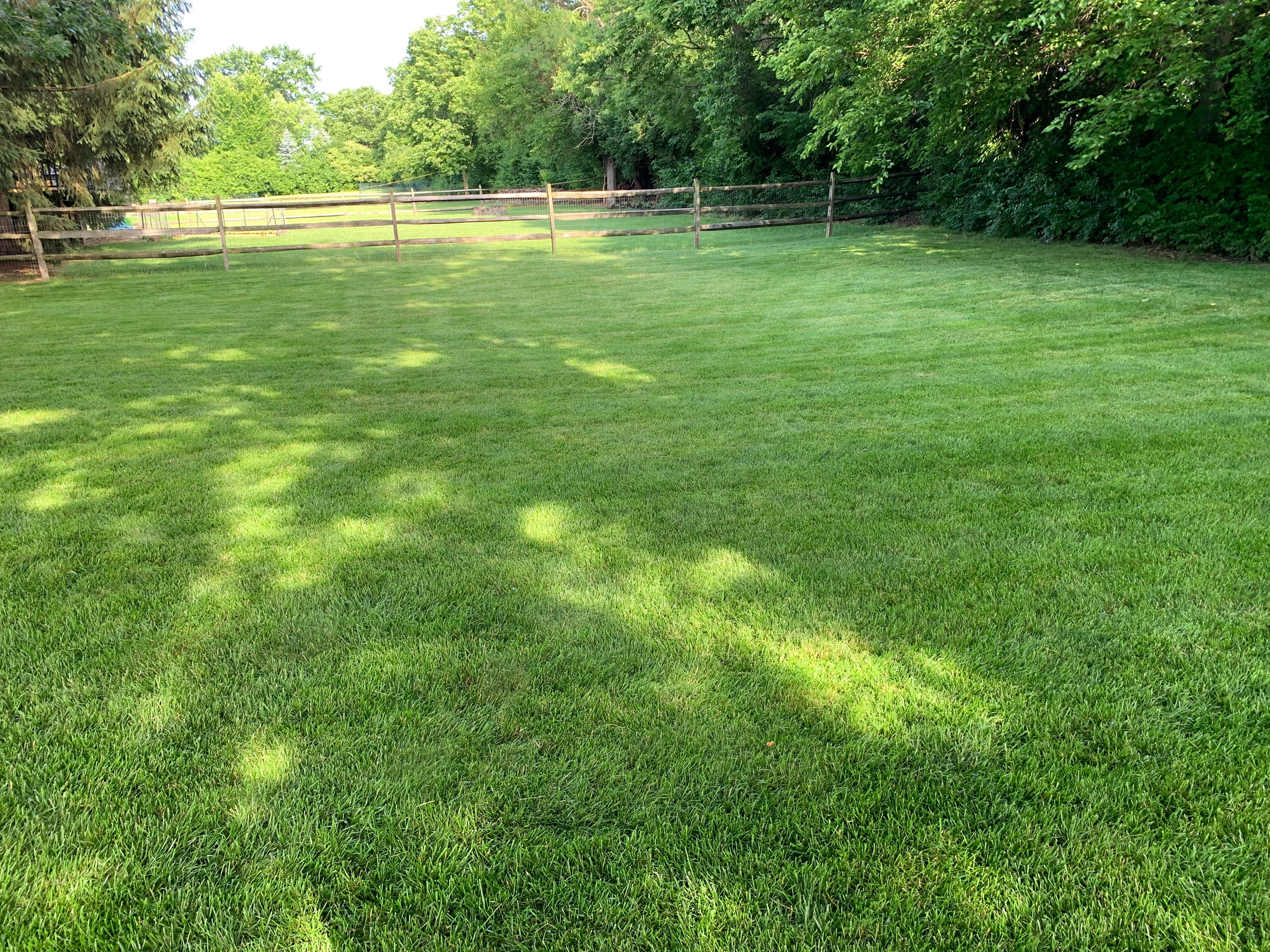
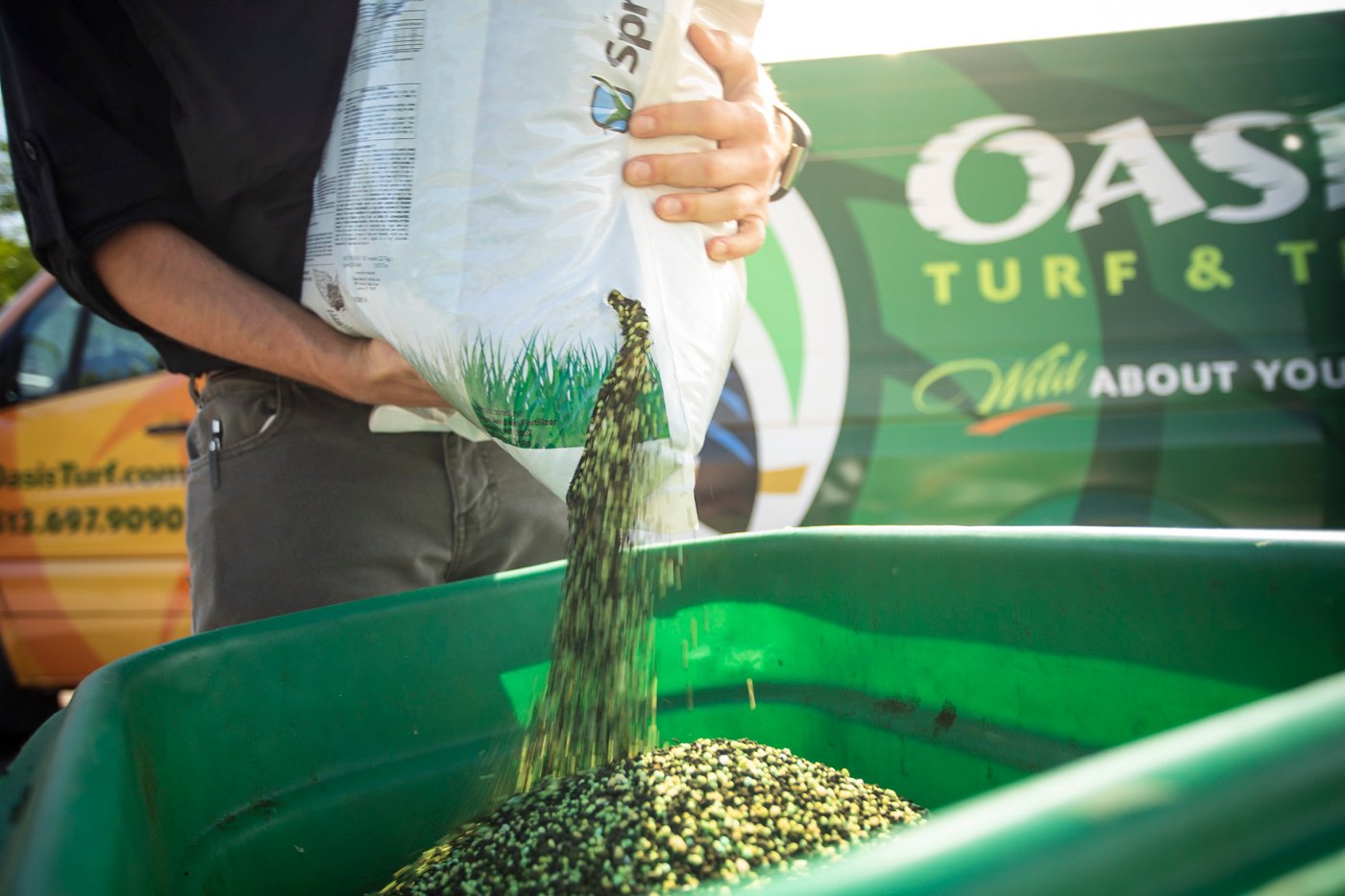
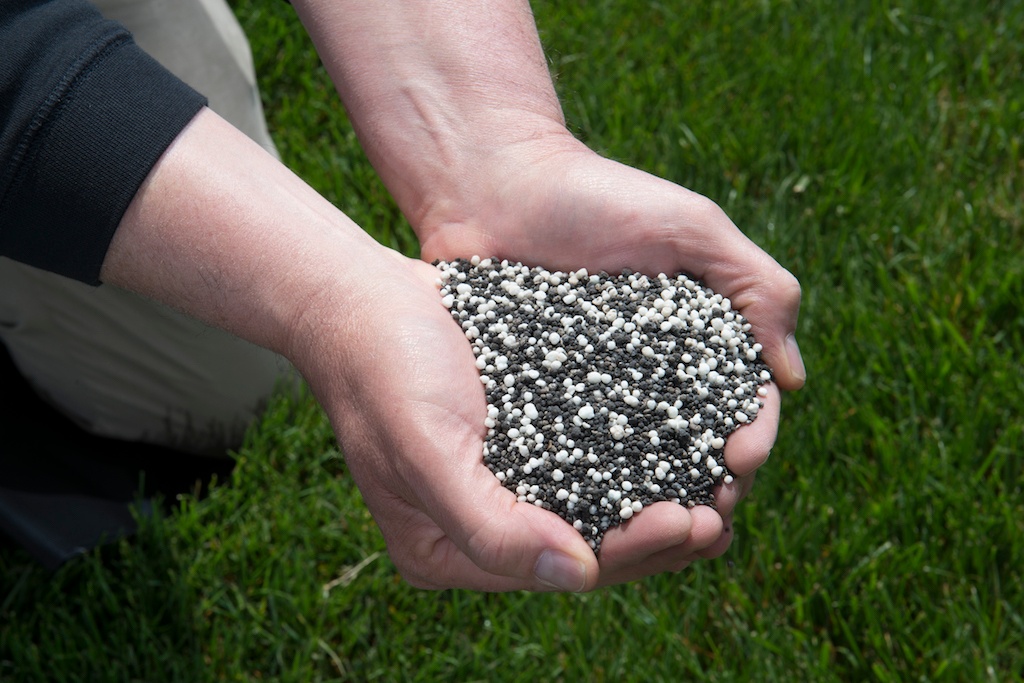
One of the most neglected measures to get rid of weeds is concentrating on soil health. Treating lawn weeds with labeled materials is necessary but only addresses the symptoms of a literal, underlying problem. The best defense against weeds is thick, healthy turf. And your lawn will be able to grow as nature intended if it has good soil. This soil should be rich with nutrients from regular fertilization throughout the year, teeming with microscopic biological life from bio-nutritional additives that increase their likelihood, and loosened to allow for deep root development. That will make for an excellent base for growing a lawn that’s tough to conquer.
2) Launch a Multi-Pronged Offensive
In order to conquer your foe, it’s important to keep them in check. You can’t let down your guard and then hope to completely eradicate them in one fell swoop. At that point you’re going to harm a lot of innocent bystanders—your grass plants. They’re be destruction in your wake, and this is the wrong way of going about establishing dominance in your lawn. Rather, using both pre-emergent (before germination) and post-emergent (after germination) weed controls will help you reduce the chances of a weed uprising. These materials should be strategically timed throughout the year from spring through fall to squash problems when they are small and even prevent them from happening in the first place. The more diligent you are, the less material you’ll even have to apply in the long run.
3) Creating an Alliance Between Programs & Practices
Whether you tackle your lawn entirely on your own or use a professional lawn care company, the two components of lawn care programs and best cultural practices work together for a unified front. A lot of homeowners don’t realize how much impact proper mowing and watering have on their lawn’s success and particularly a weed invasion. As grass suffers from drought or improper mowing, it creates warmer soil where weeds love to grow. These weeds creep in and take over in little time. Be sure to make sure your lawn is mowed frequently enough as to only remove ⅓ of the leaf blade at a time, and with a sharp mower blade. The finished cut should leave a 3-3.5” grass blade. Likewise, make sure your lawn is getting enough water particularly in hot, dry conditions. Water in the morning, and make sure the lawn gets 1-2 sessions of irrigation per week, totalling in 1”-2” of weekly water.
4) Rebuilding in the Aftermath
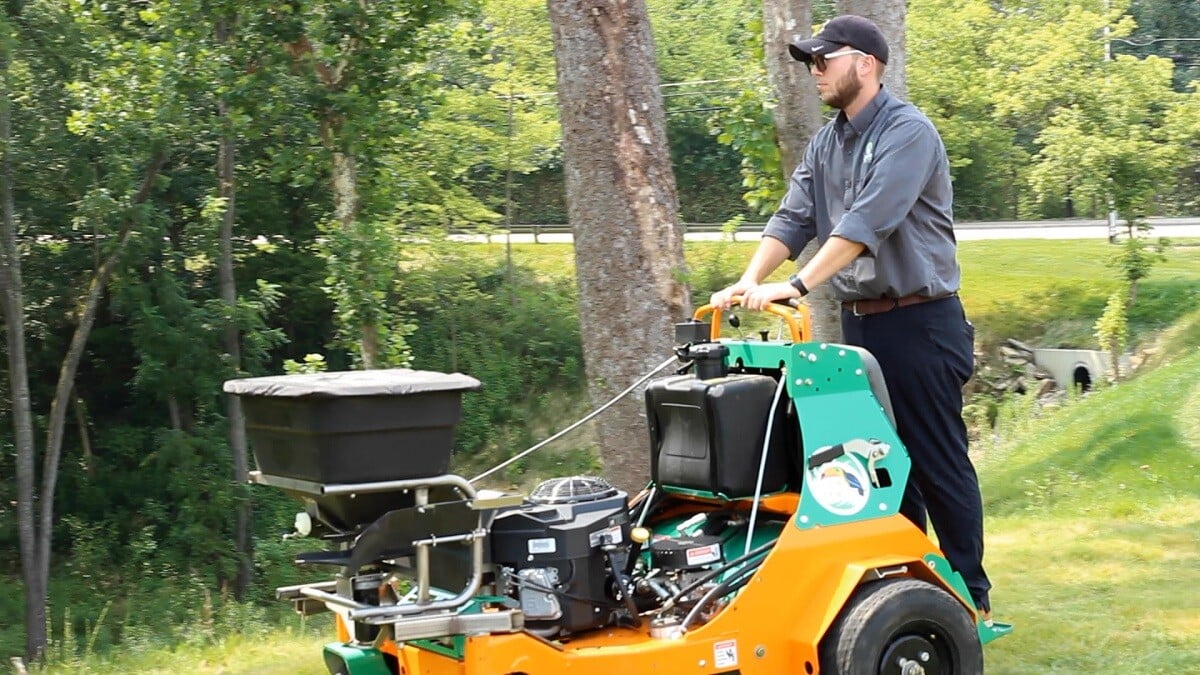
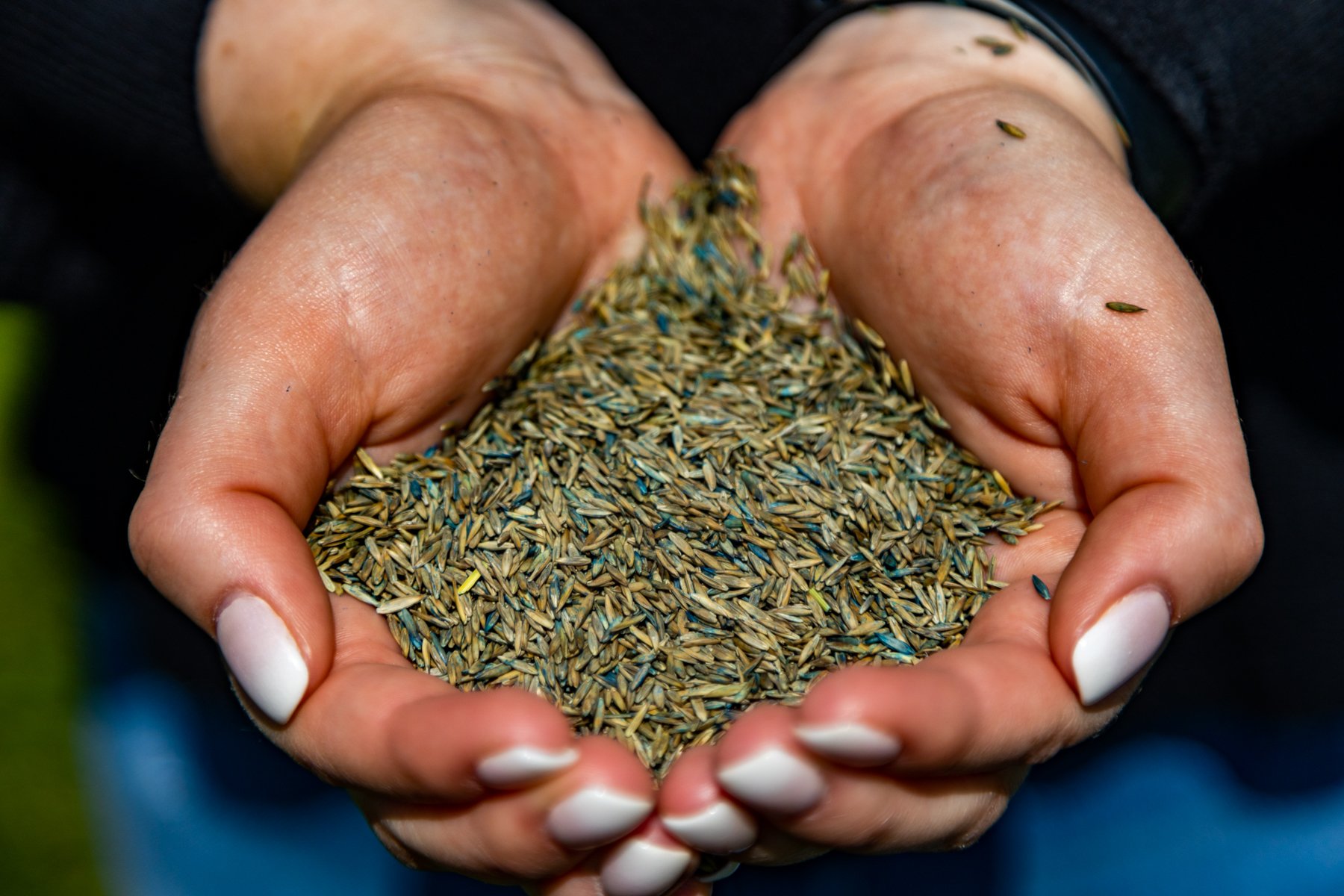
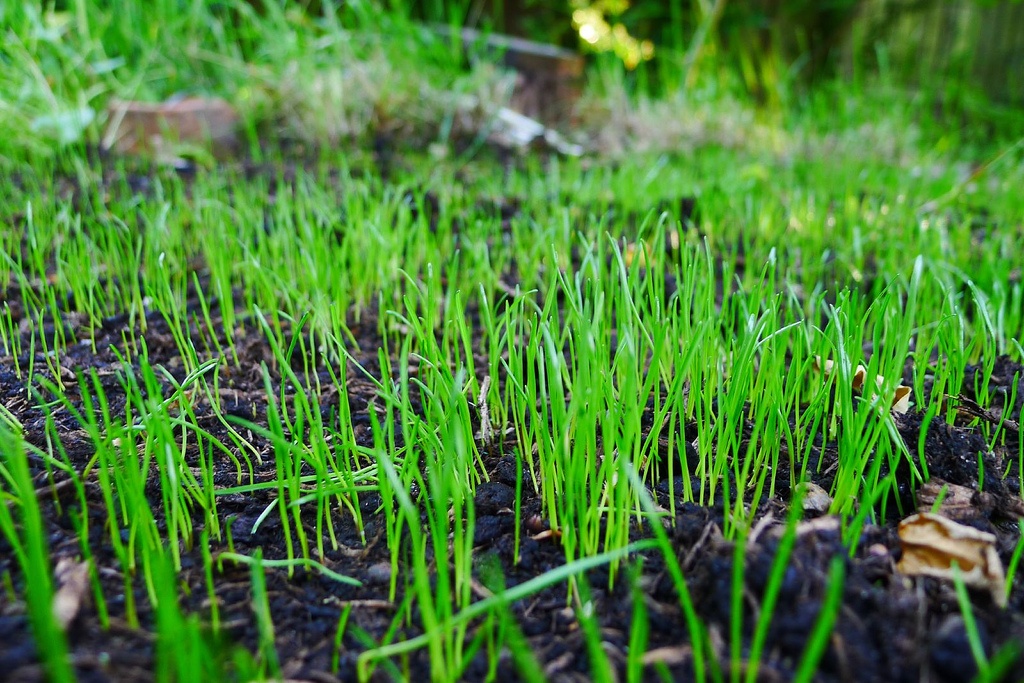
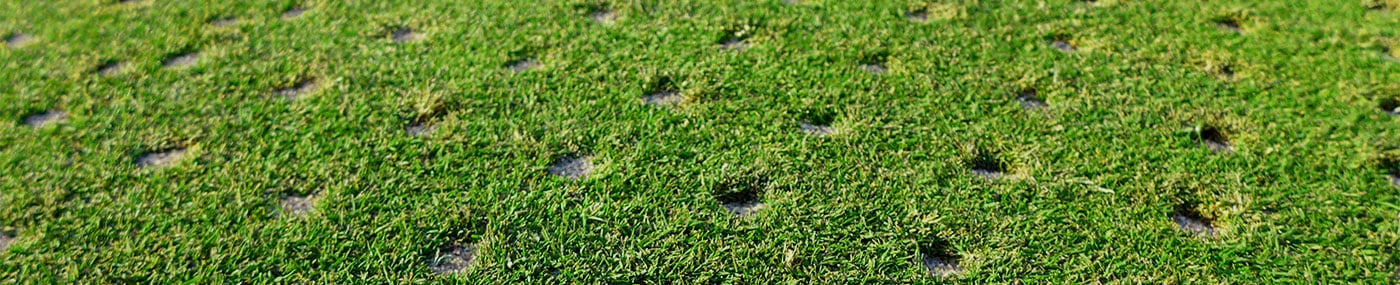
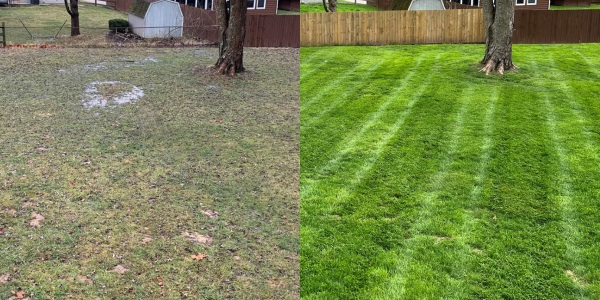
All of your best efforts can be in vain if you don’t take the necessary measures to create a stable environment for your lawn to thrive and defend itself against weeds. Pressures will come as time progresses, and it’s important to repair weakened areas and have a plan to keep make your lawn self-sufficient. A proactive plan for lawn care treatments and best practices should be part of your approach each year. Likewise, your lawn may require a regular investment in repair and improvement to keep it safe and secure. Aerating and overseeding your lawn each year can help your soil not to become compacted and also introduce new and improved grass species into your lawn. This will help your lawn to become even more resilient.
Help Winning the War on Weeds
Here at Oasis Turf & Tree, we would love the chance to help you discover how you can be successful against your weedy foes. We know you’re not ready to wave the white flag of surrender and that you have what it takes to get the lawn of your dreams. If we can be part of your strategy to take back your turf, we’d be honored to fight alongside of you and enjoy the spoils of war—a thick, green, healthy lawn you can be proud of.
Rob Reindl is the visionary and founder of Oasis Turf & Tree and a lawn and landscape care expert with over 30 years of industry experience. His expertise in soil health, turf nutrition, and local growing conditions has helped homeowners throughout Cincinnati, Dayton, and Northern Kentucky achieve their outdoor Oasis with healthier, stronger lawns and landscapes.
Topics:
.jpg?width=2048&height=1365&name=NALP_Gayle_Lawn_Pictures%20(34).jpg)


.jpg?width=2048&height=1365&name=NALP_Gayle_Lawn_Pictures%20(34).jpg)
.jpg?width=2048&height=1366&name=NALP_Gayle_Lawn_Pictures%20(8).jpg)
.jpg?width=2048&height=1366&name=NALP_Gayle_Lawn_Pictures%20(9).jpg)