
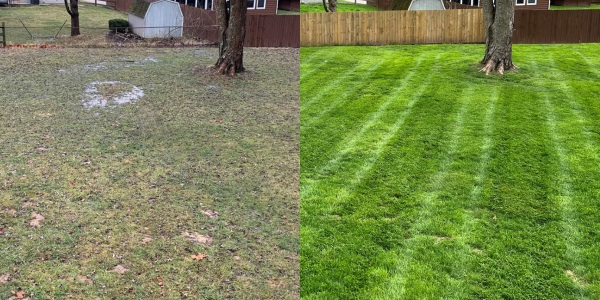
If you’ve ever looked across your lawn and wondered how a few bare or thin patches appeared in an otherwise healthy yard, you’re not alone. And while spreading some grass seed over the problem may seem like the obvious solution, it doesn’t always address what caused the grass to disappear in the first place.
At Oasis Turf & Tree, we’ve helped homeowners throughout Cincinnati, Dayton, and Northern Kentucky diagnose and correct lawn problems caused by everything from compacted clay soil and poor growing conditions to pests, disease, and improper lawn care practices for over 30 years. We know that a successful lawn repair starts with identifying the problem, not covering it up with seed.
We’re here to walk you through how to identify the likely causes of bare spots or thin patches, the best way to repair them, and what you can do to help prevent the problem from coming back.
Quick Answer: To effectively get rid of bare spots, it’s important to first identify and address the underlying cause. Treating the symptoms without correcting the source of the problem may only provide a temporary solution. Bare spots could be caused by physical obstructions in or on the soil, pets urinating or playing in the same area, insufficient sunlight, and improper growing conditions. Fall is generally the best time to repair bare spots because soil temperatures are ideal for grass growth and establishment, helping prepare your lawn for healthy growth in the spring.
In this article:
- What Causes Bare Spots in a Lawn?
- How Do You Get Rid of Bare Spots?
- How Do I Find the Underlying Cause?
- When Should I Repair Bare Spots?
- When Should I Fix Bare Spots Myself versus Hiring a Professional?
- How to Prevent Bare Spots From Coming Back
- Need Help Repairing Bare Spots in Your Lawn?
- Frequently Asked Questions
What Causes Bare Spots in a Lawn?
Bare spots can be caused by several factors, some of the most common factors being:
- Physical obstructions in or on soil
- Pets that urinate or play in the same area frequently
- Insufficient sunlight and the need to compete with other plants for nutrients
- The wrong growing conditions for your grass type
Physical Obstructions in or on Soil
Objects beneath or on top of the soil can prevent grass from establishing and growing properly. Things that can interfere with root development and prevent water, oxygen, and nutrients from reaching the grass are:
- Rocks
- Buried debris such as wood and lumber
- Construction materials such as old pipes, concrete, and brick
Pets That Urinate or Play Frequently in the Same Area
Areas where pets repeatedly urinate or spend a lot of time can contribute to bare spots. The nutrients and salts in urine can damage turf, while repeated traffic can also compact the soil and wear down grass over time.
Insufficient Sunlight and Nutrient Competition
Grass needs adequate sunlight, water, and nutrients to thrive. Areas beneath trees may struggle because the tree canopy blocks sunlight and the tree's roots compete with grass for available water and nutrients. Over time, this competition can leave turf thin, weak, or completely bare.
If you find that your lawn is struggling because of shady areas, check out our video on ways you can combat thinning turf in shade.
The Wrong Growing Conditions for Your Grass Type
Not all grass types respond to weather and environmental conditions in the same way. Some varieties are better suited to certain seasons, levels of sunlight, and soil conditions than others. When a grass type is poorly suited to its environment, it may become stressed during periods of heat, cold, drought, or heavy traffic, making bare spots more likely to develop.
Wondering what type of grass is best for lawns in Cincinnati, Dayton, or Northern Kentucky? We made a video that walks you through the best grass types for your region and why we recommend the grass type that we do: Turf Type Tall Fescue.
How Do I Get Rid of Bare Spots?
To get rid of bare spots for good, you first need to identify and address the underlying cause. Simply repairing the grass without figuring out why it died in the first place can lead to the same problem coming back.
Real-Life Example: For example, one of our lawn care customers in Clifton noticed that the same L-shaped bare spots kept returning in their lawn every summer. We started by asking questions about the property and whether anything had previously been placed in that area for an extended period of time. The homeowners had lived there for more than 10 years and said they had never had anything occupying that space.
That led us to dig a little deeper into the history of the property. We discovered that a previous homeowner had once had raised L-shaped flower beds in that exact area of the lawn. It appeared that some of the material from those beds had never been completely removed and had eventually been covered with soil and grass.
Once we removed the remaining debris beneath the soil, the lawn was able to recover over time.
Figuring out why a bare spot keeps coming back means looking beyond what you can see on the surface.
In this particular situation, the homeowner needed professional help to properly repair his lawn’s bare spots. However, it’s totally possible to handle smaller, more manageable areas yourself.
If you’re wondering just how to do that, we made a YouTube video that walks beginners through a step-by-step process on how to seed your lawn yourself.
How Do I Find the Underlying Cause?
.jpg?width=8192&height=5464&name=Grass-Weed%20(20).jpg)
Figuring out what is causing a bare spot starts with looking at the clues around it. Think about the timeline leading up to the problem and whether the bare spot has stayed the same size or continues to grow. These details can help narrow down what may be happening.
Take a closer look at the area by:
- Examining the surrounding grass
- Look both around and above the spot
- Check for things that may be blocking sunlight, water, or air, such as toys, equipment, or other objects
Keep in mind:
- Location
- Shape and appearance
- If anything has changed
Even the shape of the bare spot can provide clues. A perfectly shaped or defined area may indicate that something was sitting on the grass, work was done in that area, or another physical factor prevented the grass from growing.
By looking at the soil, surrounding environment, shape, and history of the area, you can begin to identify what is causing the bare spot and determine the right solution.
When Should I Repair Bare Spots?
Almost always, the best time to repair bare spots is in the fall. Cooler temperatures, more favorable growing conditions, and time to establish roots before winter make fall an ideal season for repairing damaged or thinning areas of your lawn.
Fall Brings Ideal Temperatures
Fall brings cooler temperatures that are much more favorable for grass seed germination and establishment. The soil is warm enough to encourage seed growth, while cooler air temperatures reduce heat and drought stress on establishing grass. This gives new grass a better chance to develop a strong root system before winter.
The Fall Season Prepares Your Lawn for Spring Germination
Repairing bare spots in the fall gives new grass plenty of time to establish before spring arrives. As temperatures warm back up, the established grass is better prepared to handle the summer heat and can continue maturing and filling in throughout the growing season.
When Should I Fix Bare Spots Myself versus Hiring a Professional?
Bare spots can often be repaired with DIY methods, depending on your
- Comfort level with lawn care
- Available time
- The size of the damaged area.
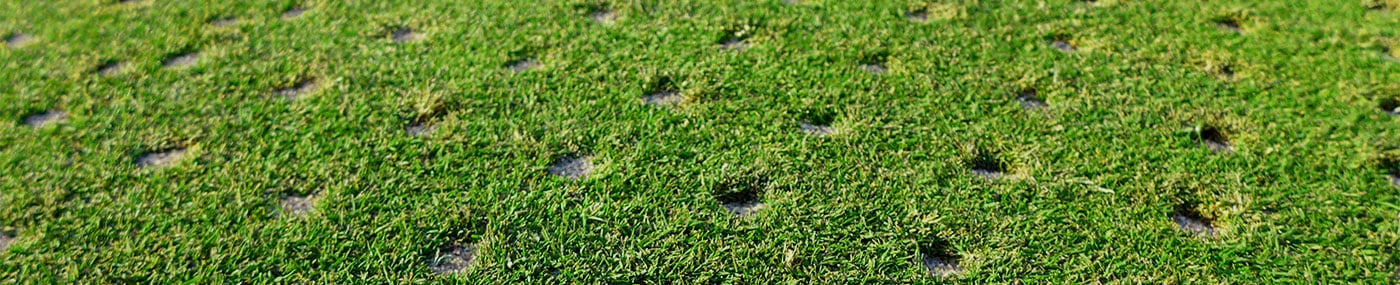
Smaller bare spots can typically be addressed with basic hand tools, while more extensive areas may be better handled by a lawn care professional with Aeration & Overseeding services. If you think professional services may be the right fit for you, you can learn more about Aeration & Overseeding before investing in the service by reading an article we wrote that explains what Aeration & Overseeding is, the problems these services solve, and how to know when your lawn needs it.
|
DIY May Work When… |
Professionals May Be the Best Choice When… |
|
You know what caused the problem. You’ve identified the cause and have corrected it. |
The bare spot keeps coming back. |
|
The bare spot is small. You only have a few small areas that can easily be prepared and reseeded with basic hand tools. |
You have large or widespread bare spots. |
|
You’re comfortable doing the work yourself. For a small, straightforward repair. |
You want the best chance of long-term results. |
|
You have the time and patience. |
You’re unsure what type of grass or seed to use. |
|
Your soil is easy to penetrate. |
The soil needs significant preparation. |
How to Prevent Bare Spots From Coming Back
Regular lawn maintenance is key to preventing bare spots from returning. Taking a proactive approach and addressing potential problems early can help keep your lawn healthy and reduce the chances of recurring bare spots.
To do this, you should:
- Address the underlying cause
- Maintain appropriate watering habits. We recommend ½ inch of water per zone, twice a week.
- Avoid excessive foot traffic
- Keep mowing practices appropriate for the lawn. We recommend mowing at approximately 3 ½ inches.
- Monitor for weeds, pests, and disease
- Maintain overall lawn health by providing proper nutrients throughout the growing season.
Need Help Repairing Bare Spots in Your Lawn
At Oasis Turf & Tree, we offer free, customized quotes based on your property’s unique needs. Simply fill out a quick form on our website, or give us a call to speak with one of our Turf & Tree Specialists and learn more about how we can help.
If you’re not ready to reach out, you’re probably wondering how much working with Oasis (or a professional lawn care company) might cost. Your next step is to understand how much it costs and what drives the cost up or down. You can learn that with our article that discusses Oasis program costs and factors.
Frequently Asked Questions
Should I remove dead grass before filling in a bare spot?
Yes, removing dead grass and lightly loosening the soil can give new seed better contact with the soil and improve the chances of successful germination.
How long does it take for grass to grow back in a bare spot?
Germination and establishment times vary based on grass type, weather, soil conditions, and moisture. Some grass seed may begin germinating within a couple of weeks, but it can take several weeks or longer for the area to become fully grown.
Can I just put grass seed over a bare spot?
No, scattering seed over the existing soil will not produce the best results because the soil was not prepared to ensure good seed-to-soil contact. If the seed cannot reach and connect with the soil, it may struggle to germinate and establish properly.
Can bare spots fill in on their own?
Sometimes, but it depends on the cause and surrounding grass. If the bare spot is caused by temporary stress and healthy grass is nearby, it may gradually fill in. However, recurring or expanding bare spots usually require intervention.
Topics:

.jpg?width=2048&height=1365&name=NALP_Gayle_Lawn_Pictures%20(34).jpg)
.jpg?width=2048&height=1366&name=NALP_Gayle_Lawn_Pictures%20(8).jpg)
.jpg?width=2048&height=1366&name=NALP_Gayle_Lawn_Pictures%20(9).jpg)