
Your shrubs have started turning brown.
You know something needs attention, but figuring out what to do and when can feel like several different projects.
We understand how frustrating that can be, especially when your plants looked healthy just a few weeks ago. Some problems develop gradually, while others can cause noticeable damage before you realize anything is wrong.
At Oasis Turf & Tree, we understand how much your landscape and outdoor space mean to you. With over 60 licensed technicians, more than any other lawn care company in Ohio, we help homeowners throughout Cincinnati, Dayton, & Northern Kentucky understand how to care for their plants.
Our unique Tree & Shrub nutrition blend was developed through extensive research into our region’s soils and plant needs. We combine that research with 30 years of experience caring for local properties to guide everything from treatment timing during an early warm-up to identifying insect damage that resembles drought stress, helping you feel more confident about your plants’ care.
We’re here to walk you through the year, explain what happens during each treatment period, and help you understand what you can do between visits to support healthier plants.
Quick Answer: In spring, inspect plants for winter damage and watch for emerging pests. During summer, monitor soil moisture, check for insect and disease damage, and report changes before assuming plants need more water. In fall, consider pruning where appropriate, and prepare plants for winter. During winter, watch for drying, drainage problems, and storm damage, and check soil moisture while the ground is unfrozen.
In this article:
- What Does Our Tree Care Program Do?
- Why Does Treatment Timing Matter?
- Tree Care in Early Spring
- Tree Care in Mid-Spring
- Tree Care in Late Spring
- Tree Care in Early Summer
- Tree Care in Late Summer
- Tree Care in Early Fall
- Tree Care in Late Fall
- Tree Care in Winter
- Your Month-by-Month Tree Care Calendar
- What Can You Handle Yourself, and When Can Professional Care Help?
- What Results Should You Expect?
- How Much Does Tree Care Cost?
- Frequently Asked Questions
What Does Our Tree Care Program Do?
Our Tree & Shrub Care program provides ongoing nutritional support for your landscape and protection against damaging insects and diseases throughout the growing season. We pair those treatments with guidance on watering and maintenance, helping you understand how to care for your plants and keep them healthy between our visits.
|
Program |
What it Focuses On |
Full-Season Visits |
|
Tree & Shrub Care |
Supports ornamental plant health, insect and mite management, inspections, and care recommendations |
7 |
Why Does Treatment Timing Matter?
Seeing an insect and the damage it caused don’t always happen at the same time. By the time a shrub looks noticeably different, feeding may already have been underway for a while.
Our preventive approach aims to limit damaging populations before substantial feeding occurs. However, the right treatment timing can shift with the weather.
Box tree moth is one example we’re paying close attention to locally. Its larvae feed on boxwoods, and heavy infestations can strip foliage in a matter of 2-3 days. Continued feeding can also damage bark and threaten the plant’s survival. That’s why early monitoring and properly timed control matter.
What Are Growing Degree Days?
Growing degree days (GDD) measure accumulated warmth to help estimate how plants and insects are developing.
Think of them as a way to follow the progress of the season beyond the date on your calendar. Growing degree days help us track the season based on temperature rather than calendar date. For example, a warmer spring can cause insects to become active earlier than they would during a cooler spring.
The Ohio State Phenology Calendar tracks warmth above 50°F to estimate when insects may become active, and plants may bloom. You can enter your Ohio ZIP code to see estimates for your area. These help guide what we look for, but actual timing can vary from property to property.
How Does Oasis Use That Information?
Ohio State estimates that adult boxwood leafminers appear around 440 GDD, but their larvae are already feeding inside the leaves before then. Waiting until the adults appear can allow that damage to continue.
At Oasis, we begin checking for leafminer concerns earlier, around 150 GDD, to determine whether treatment is needed. That timing comes from our own monitoring, rather than Ohio State’s estimate for when adults appear.
Real Life Example: We had to make that adjustment during the 2026 season. Warmer conditions led us to address boxwood leafminer concerns during our first treatment window in February, earlier than the March activity we more commonly expect.
Tree Care in Early Spring
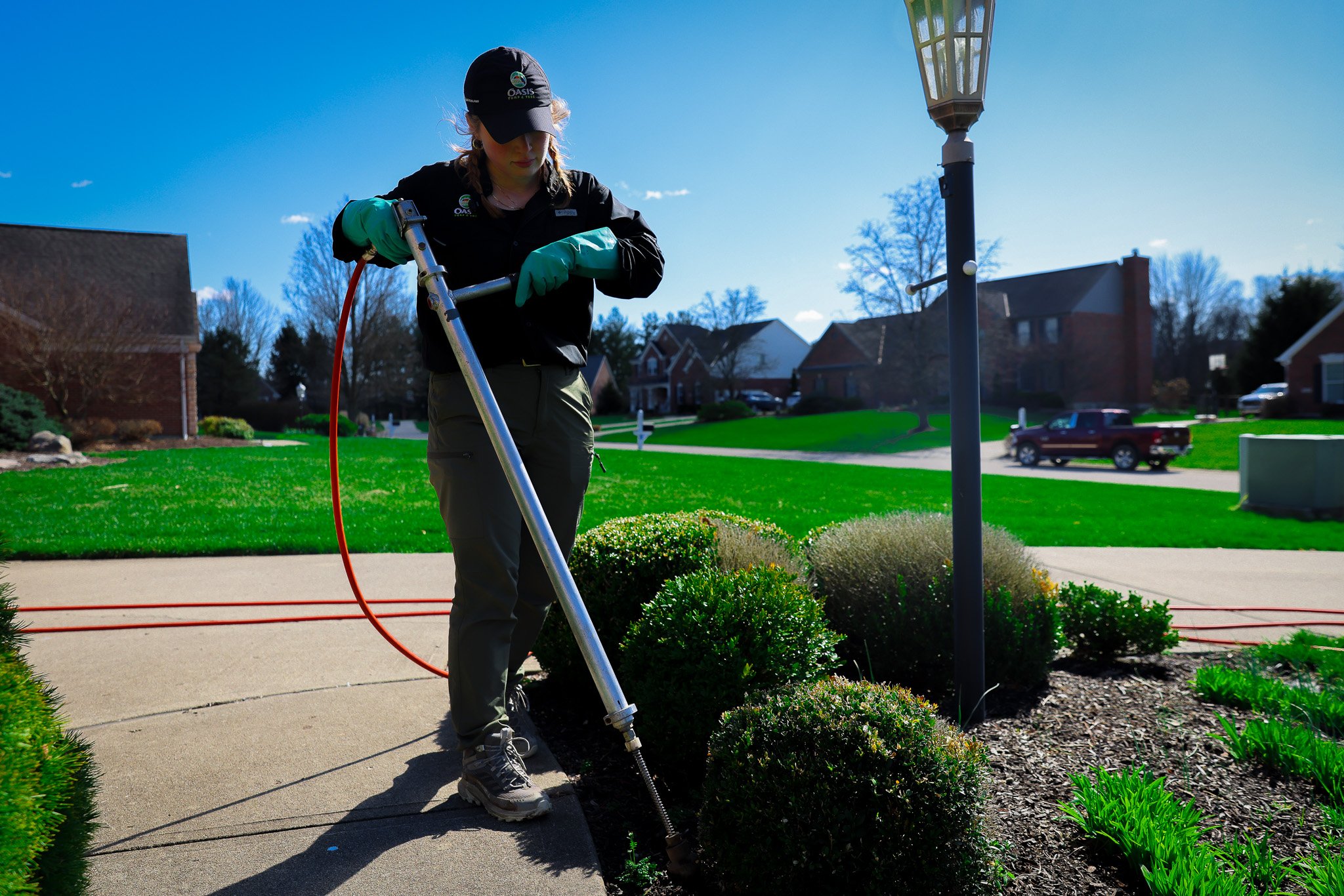
Tree & Shrub Care treatment 1: February 15th - March 25th
Your landscape may not look especially active yet, but this is an important time to inspect plants after winter and prepare evergreens for spring growth.
Evergreen Deep-Root Feeding
Our first Tree & Shrub Care visit focuses on deep-root feeding for evergreen plants (plants that keep their foliage throughout the year), including boxwoods, hollies, and spruces.
Spring brings more favorable conditions for new growth. We want plants to have access to appropriate nutrients as that growth begins and as they prepare for the demands of summer.
We schedule evergreen (plants that lose their foliage in the fall) feeding in spring rather than include it with our fall deciduous feeding.
This allows us to account for different growth patterns and avoid encouraging evergreen growth at an unsuitable time.
Because evergreens go dormant in the fall, fertilizing them could signal that conditions are right for growth when they should be preparing for dormancy.
Want to learn more about our first Tree & Shrub Care treatment? We made a video that walks you through how we apply deep-root fertilizer, the nutrients we add to your soil, and how we update your account and plant count during this visit.
Watch Now: Early Spring Tree & Shrub Care | Evergreen Fertilization & Soil Health (Round 1)
How Our Treatments Reflect Local Conditions
Deep-root feeding is a common landscape service. What makes our approach specific to this area includes the nutrients we use and how we developed that blend.
Through extensive testing of local soils, we found that manganese levels were low enough to warrant adding it to our Tree & Shrub Care treatments. Manganese helps plants use nitrogen and supports photosynthesis, the process they use to turn sunlight into energy for growth. Since adding it to our program, we’ve noticed improved leaf color in the plants we care for.
That doesn’t mean every yellow leaf is a manganese deficiency. Plant symptoms, growing conditions, and soil information still need to be considered together.
Inspecting Winter Damage
During this treatment, we commonly look for damage associated with dry air, strong winds, low temperatures, and sudden temperature shifts. Even hardy plants such as boxwoods can be affected when exposure is severe.
Common Early-Spring Concerns
Winter injury and insect damage can look similar, particularly on boxwoods.
|
Concern |
What You May Notice |
What We Look At |
|
Winter burn |
Brown tips or discolored foliage, often on exposed sides. |
Wind exposure, moisture conditions, and where damage appears. |
|
Cold injury |
Damaged tender growth or discolored branch ends. |
Recent temperature changes and the plant’s location. |
|
Boxwood leafminer |
Yellow or brown leaves with swollen, blister-like areas |
Whether larvae are feeding inside the leaves. |
|
Freeze damage |
Long cracks in bark or wood |
Temperature changes, existing injuries, and the condition of surrounding tissue. |
Boxwood leafminer larvae feed between the leaf surfaces. This can cause discoloration that homeowners mistake for winter injury. We inspect the leaves closely because the cause determines what happens next.
Location also matters. We may find more injury on a plant exposed to cold wind than on one sheltered beside the house. Even hardy boxwoods can be affected by dry air, strong winds, and very low temperatures.
Plants beside dryer vents or in the path of vehicle exhaust can experience repeated exposure to warm air followed by outdoor cold. Those details help us understand why one plant looks different from another nearby.
Tree Care in Mid-Spring
Tree & Shrub Care treatment 2: March 26th - May 3rd
As temperatures rise, we begin finding more active insects. Some feed openly on foliage, while others develop inside leaves or beneath protective coverings.
During this time, we shift focus from providing nutrition, like during our first treatment, to protecting your plants from damaging insects. This is when it’s important to apply preventive insect control targeting pests such as rose slugs, aphids, leafminers, and scale insects.
Want to learn more about our second Tree & Shrub Care treatment? We made a video that walks you through what we focus on during this visit, how we help protect your plants from damaging insects, and tips for watering, pruning, and preventing disease.
Leafminers
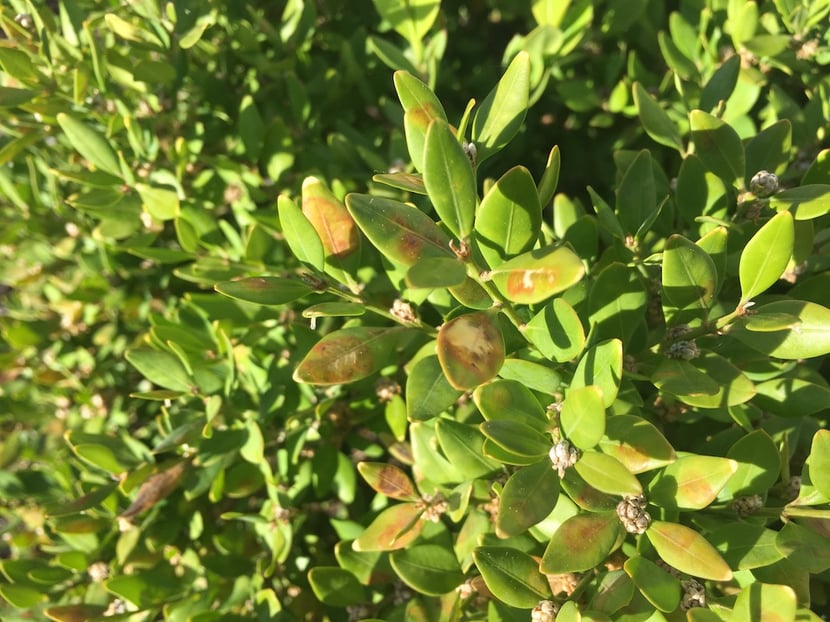
Leafminers damage plants from inside the leaves. The surrounding plant tissue provides some protection from outdoor conditions, so you may notice damaged foliage without seeing insects on the surface.
On boxwoods, look for yellowing, browning, or blistered leaves. Because similar discoloration can come from winter exposure, we inspect for larvae and feeding damage before deciding what the plant needs.
Rose Slugs
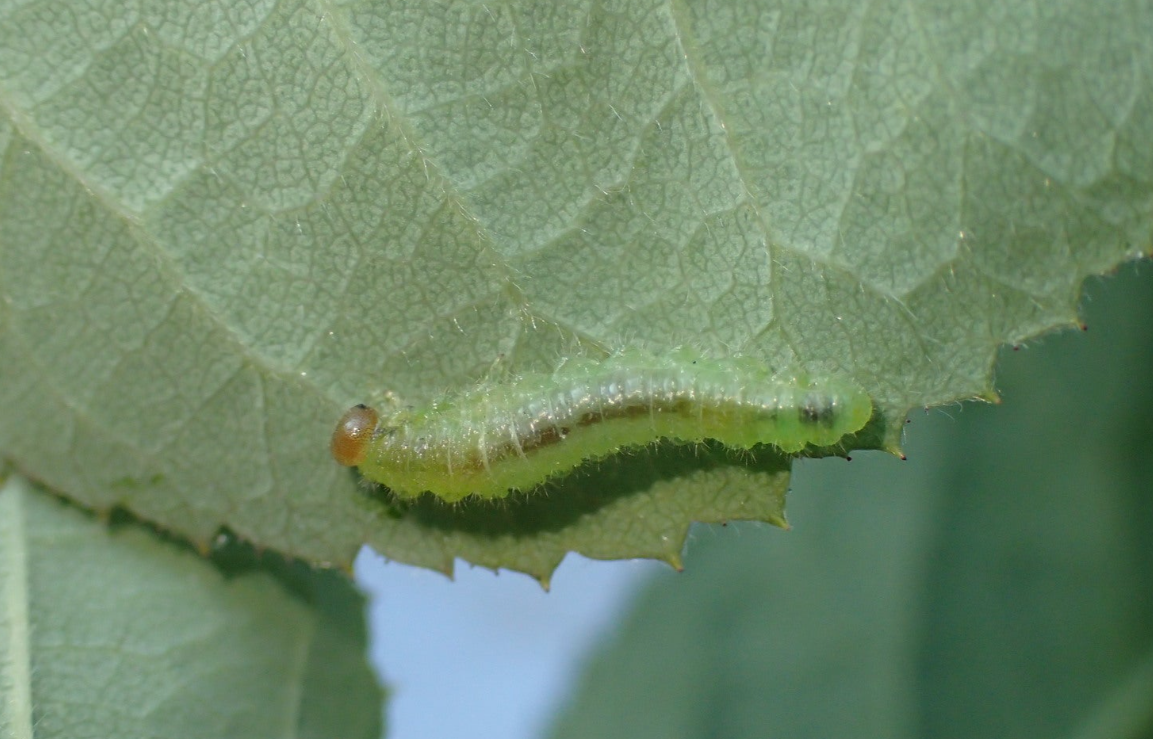
Despite their name, rose slugs are sawfly larvae rather than garden slugs.
Rose slugs feed on the leaves, leaving thin patches that you can almost see through. As they continue feeding, you may notice holes or leaves with mostly veins remaining. If you’re seeing this damage on your roses, check underneath the leaves, where the larvae may be feeding.
Scale Insects
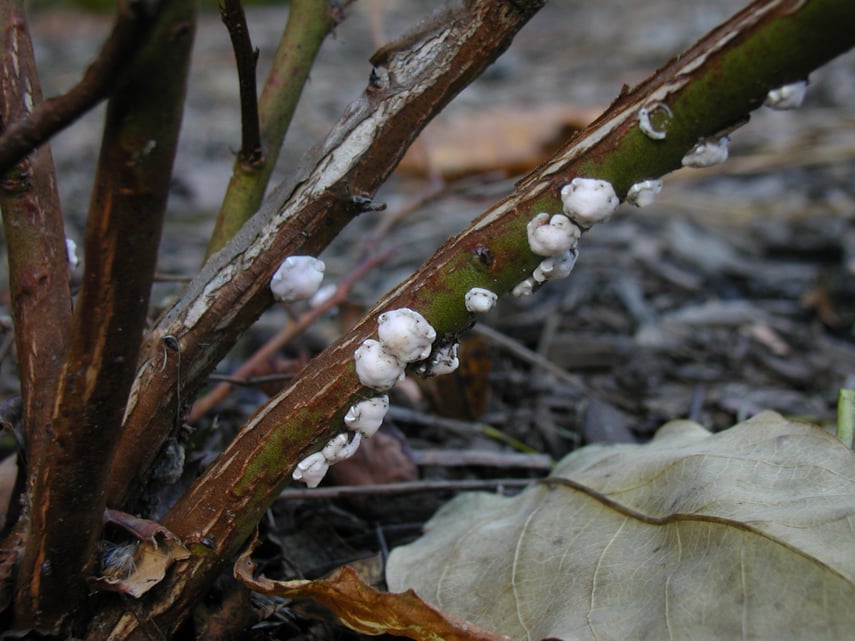
Scale insects can look like small bumps on your plant’s stems or leaves, making them easy to overlook. As many types mature, they develop a protective covering that makes it harder for contact treatments to reach them.
That’s why timing matters. We look for their young, moving stage, called the crawler stage, when they’re more exposed and easier to control. The timing depends on which type of scale is present.
We also check whether the insects are still alive. Their coverings can stay attached after they’ve died, so seeing bumps on your plant doesn’t necessarily mean the treatment didn’t work or that another application is needed.
Invasive Spotted Lanternfly
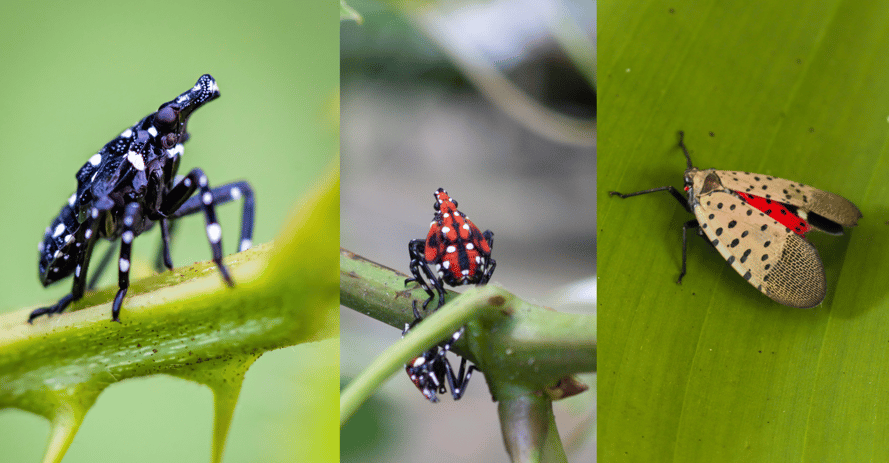
We also watch for spotted lanternflies, which look different as they grow. You may recognize the winged adults, but knowing what the younger insects look like can help you spot them earlier.
Spotted lanternflies feed by piercing stems and drawing out sap that carries sugars through the plant. Heavy feeding can weaken susceptible plants, slow their growth, and make it harder for them to recover from other stresses.
Young spotted lanternflies are black with white spots and develop red coloring as they mature. They feed on plant sap and leave behind a sticky substance called honeydew, which you may notice on leaves or surfaces beneath the plant.
Why Hasn’t My Plant Recovered From Last Year?
This is a common early-season question. Warmer weather doesn’t repair leaves that were already damaged.
We look at new buds, living growth, current pest activity, and growing conditions to determine whether a plant is recovering or still facing a problem. A plant may need time to produce healthy new foliage even after feeding has been controlled.
Tree Care in Late Spring
Tree & Shrub Care treatment 3: May 4th - June 11th
By late spring, your landscape may look full from a distance while smaller changes are developing on individual leaves.
Lace Bugs
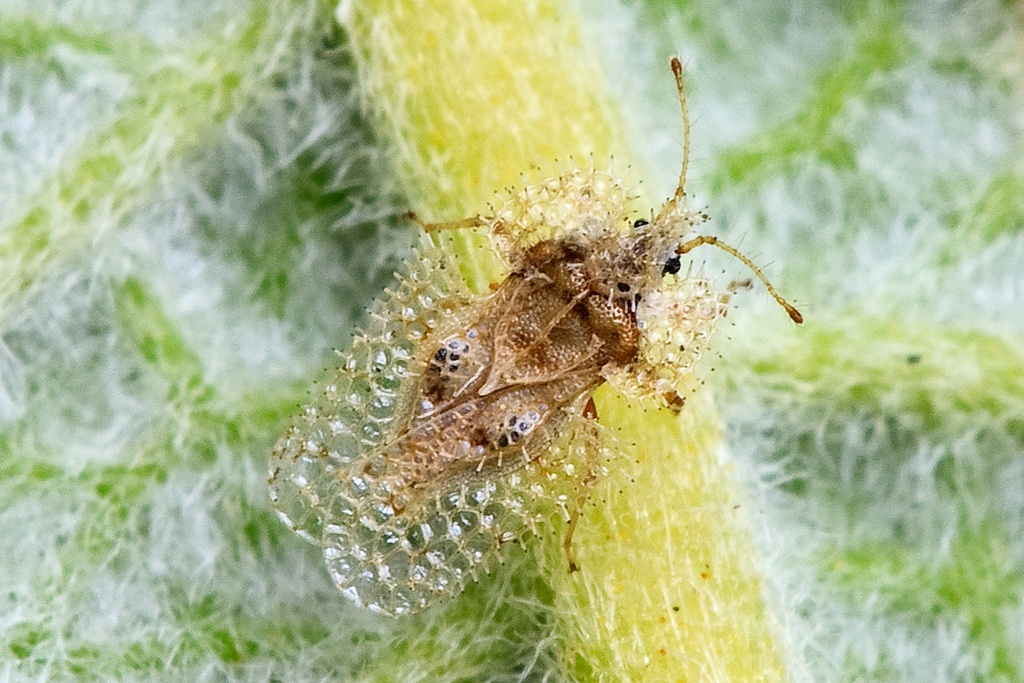
During our third round, we pay close attention to lace bugs. These insects feed underneath leaves, but you may first notice their damage as tiny pale spots on top. As feeding continues, the leaves can lose their healthy green color and look faded or bleached. Small, dark specks underneath the leaves can also help us identify the problem.
If your shrub is losing color, we check both sides of the leaves to understand what’s happening before assuming it needs more nutrients.
We also continue checking for mites, aphids, rose slugs, caterpillars, and box tree moths, depending on the plants in your landscape and the activity we’re seeing.
Common Disease and Foliage Problems
Disease symptoms also become part of our inspections. These problems can look different and may call for different care.
|
Problem |
What You May Notice |
Why It Matters |
|
Powdery mildew |
A white or gray powdery coating on leaves or shoots. |
It can affect appearance and sometimes distort growth. |
|
Anthracnose |
Irregular tan, brown, or dark areas on leaves, sometimes along veins. |
Damaged leaves may curl or fall early, and symptoms can be mistaken for other stress. |
|
Leaf spot diseases |
Distinct spots or blotches, sometimes with surrounding yellowing. |
The plant, pattern, and amount of damage help determine whether action is needed. |
|
Sooty mold |
A black, soot-like coating on leaf surfaces. |
It grows on honeydew and can point us toward sap-feeding insects. |
Powdery mildew, anthracnose, and leaf spot symptoms need to be considered alongside the plant species and growing conditions. Some mainly affect appearance, while others deserve closer follow-up.
Sooty mold is different from a disease, feeding directly on the plant’s tissue. The coating grows on honeydew left by insects such as aphids and some scale species. Finding it can help us locate an underlying insect concern.
Fertilizer does not directly treat these diseases. Nutrition supports plant health, while the cause of symptoms guides recommendations for watering, maintenance, monitoring, or additional care.
Want to learn more about our third Tree & Shrub Care treatment? We made a video where our Master I & II Operations Expert, Andrew Titkemeyer, walks you through what’s included, how we avoid flowering plants, how we inspect for and treat mites, and what we look for when checking your plants’ health.
Tree Care in Early Summer
Tree & Shrub Care treatment 4: June 12th - July 20th
Summer brings more time outside, but also more pressure on your landscape. Heat, dry weather, insects, and disease can produce symptoms that overlap.
During this part of the season, we again focus on protecting your plants from damaging insects and mites, including leafminers, Japanese beetles, scale, and aphids.
As different pests cycle through the growing season and produce new generations, you may notice many similarities between your second through sixth Tree & Shrub Care applications. These repeated treatments help us continue protecting your plants as new pest activity develops.
We also tend to see more scale activity during this time, so inspecting your plants closely is an important part of this visit.
Want to learn more about our 4th Tree & Shrub Care treatment? We made a video that explains how we continue protecting your plants as new generations of insects emerge, the maintenance practices we recommend to help reduce insect activity, and tips for proper watering.
Japanese Beetles
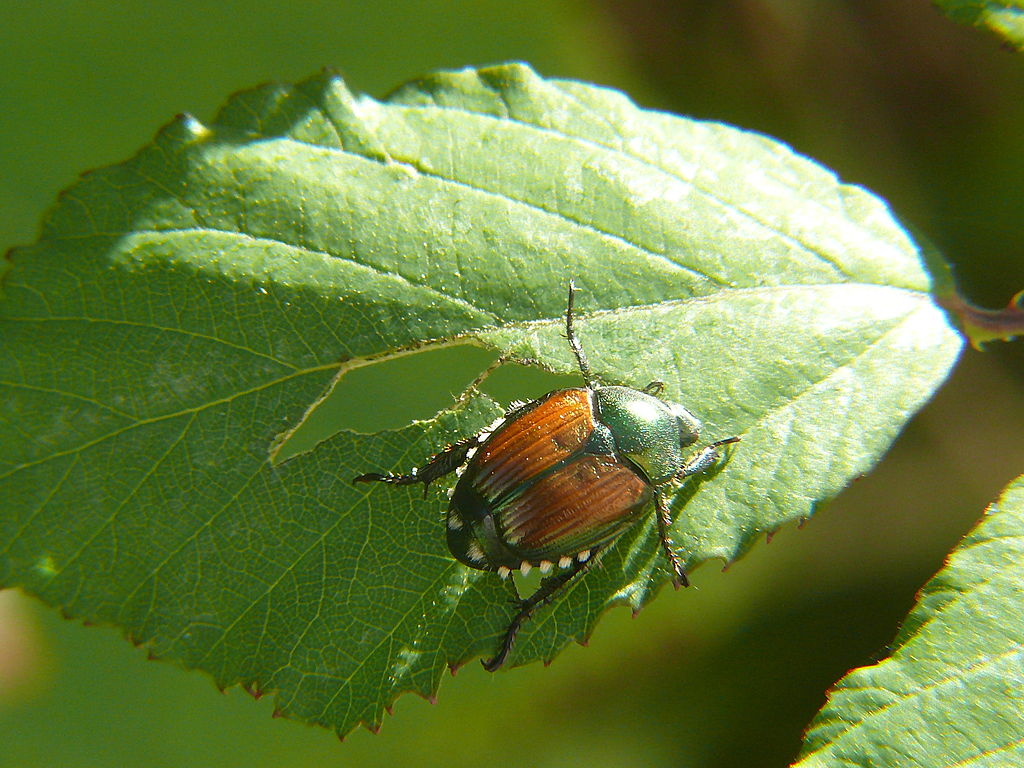
Japanese beetles chew tissue between leaf veins, leaving a lacy or skeleton-like appearance. They may also feed on flowers.
Because they can gather and feed together, damage can become noticeable quickly. We inspect the affected plants and current activity to determine the next step.
Aphids and Honeydew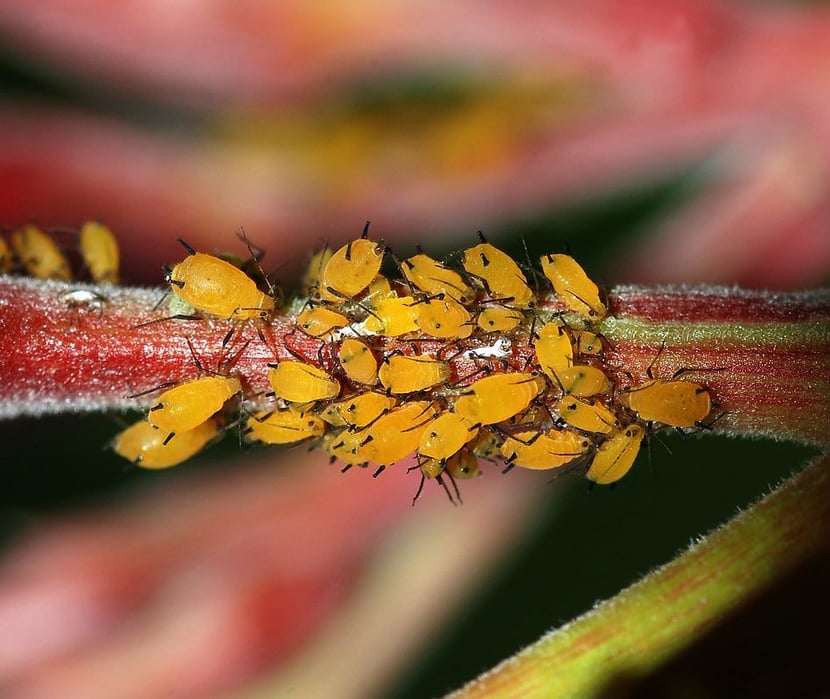
Aphids are small sap-feeding insects that may gather around tender growth. Heavy feeding can contribute to curled leaves, yellowing, or distorted shoots.
Sticky leaves or surfaces beneath a plant may come from the honeydew they produce. That honeydew can also support sooty mold, connecting a black coating on foliage with an insect feeding above it.
We continue checking leafminers, scale, and mites as well. A plant can have more than one concern, so we look beyond the most obvious symptom.
Why We Identify the Plant First
Before deciding whether a struggling plant needs water, insect control, or another change, we identify what it is.
Real-life example: Fire blight affects susceptible plants in the rose family during this time, including apples, pears, crabapples, and certain ornamental shrubs. A willow with darkened growth would need a different investigation rather than automatically receiving that diagnosis.
Knowing the plant helps us narrow the possibilities. Then we inspect the damage and surrounding conditions.
Watering Without Creating Another Problem
Check soil moisture before increasing watering. A plant in dry soil needs a different response from one whose roots are sitting in consistently wet ground.
Water slowly around the root area so moisture can soak in rather than run off. Direct water toward the soil instead of repeatedly wetting foliage, since prolonged leaf moisture can encourage certain diseases.
Plant age, exposure, rainfall, and soil conditions all matter. A shrub beside a sunny driveway may dry out differently from one in a shaded bed.
Tree Care in Late Summer
Tree & Shrub Care treatment 5: July 21st - August 29th
During this time, we frequently find bagworms. Their protective bags can make it harder for insect control treatments to reach them and their eggs, so physically removing and destroying the bags helps reduce future activity.
We also tend to see more disease activity during the heat and humidity of summer. Homeowners may assume any browning comes from heat or a lack of water. In our experience, that can overlook pests and diseases producing similar changes.
If we notice signs of disease, we’ll recommend maintenance practices to help limit its spread.
Want to learn more about our 5th Tree & Shrub Care treatment? We made a video that explains how to identify and remove bagworms, what to look for when checking your plants for disease and damage, and how to care for them during drought.
Mite Damage That Looks Like Drought Stress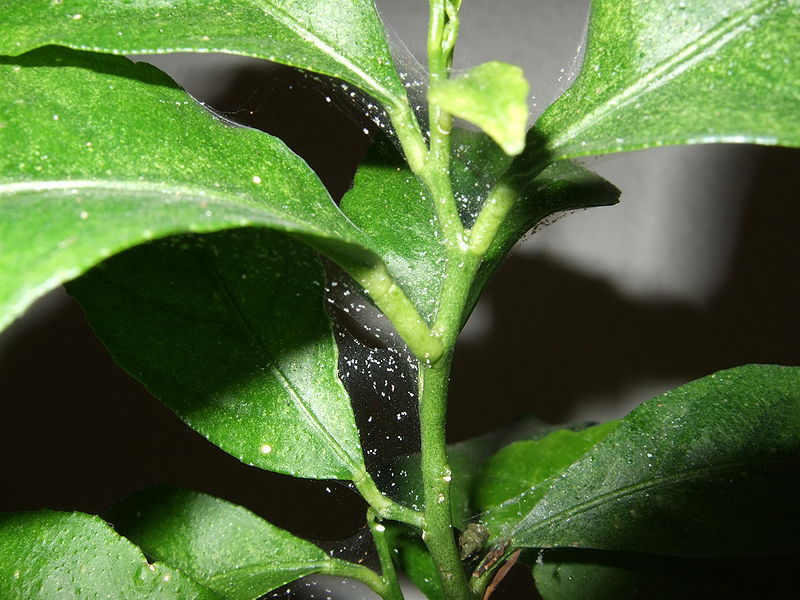
Mites are tiny pests that feed on plant tissue. Their feeding can cause fine speckling, fading, or bronzing. To help prevent mites from developing resistance to one specific product, we rotate our mite control products throughout the season to maintain consistent control.
One clue we commonly notice locally is bronze-colored foliage. Homeowners may interpret it as the beginning of drought-related browning, when mite feeding is contributing to the change.
We inspect the foliage and check for mites before recommending more water or treatment.
Anthracnose That Looks Like Drought Damage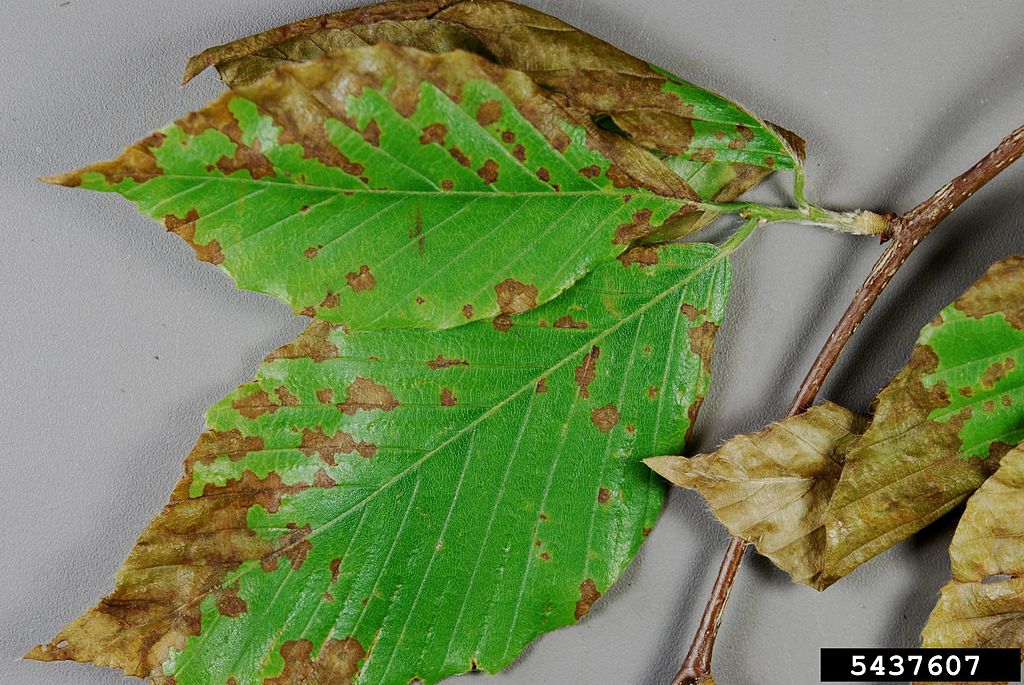
Anthracnose can cause irregular brown areas on leaves, sometimes developing into darker or blackened tissue. Leaves may also become distorted or drop early.
From a distance, that browning can look like drought damage. Looking at the pattern on individual leaves, identifying the plant, and checking soil moisture helps us distinguish the possibilities.
Blackening alone doesn’t confirm anthracnose, and watering more won’t resolve every cause of browning.
Bagworms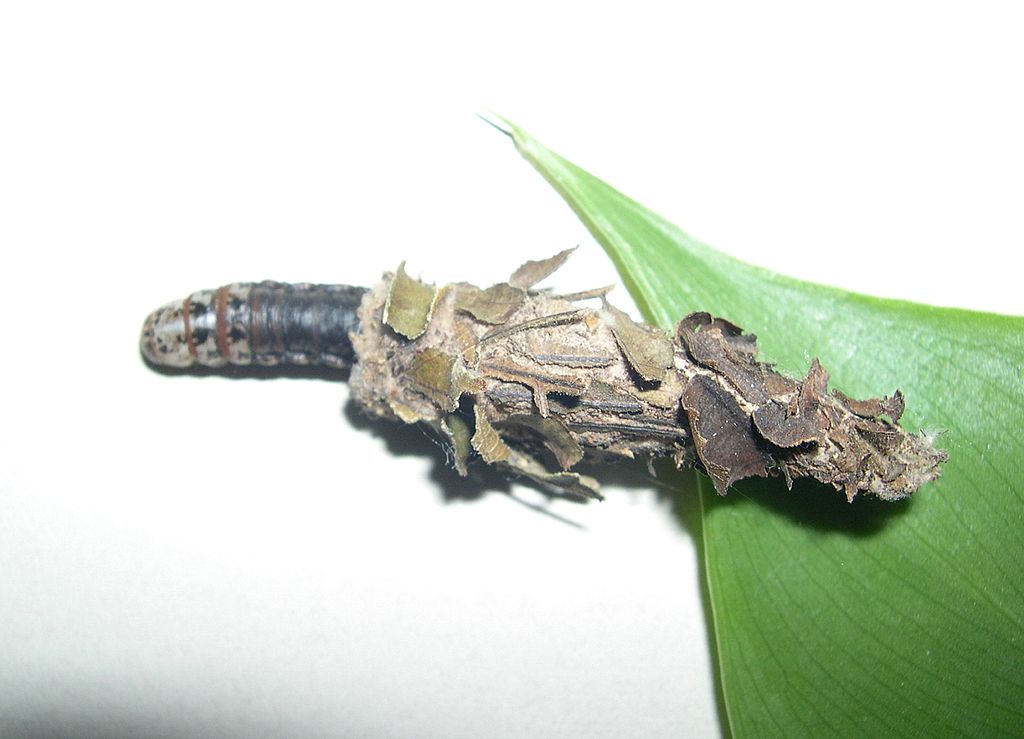
Bagworms build hanging cases from silk and pieces of foliage. Those bags can blend into a shrub, especially when homeowners mistake them for small cones or ordinary plant material.
Their feeding can thin foliage and cause serious damage to evergreens. However, young feeding caterpillars provide a different treatment opportunity from mature bagworms or old, empty bags.
We assess what is inside and whether feeding is active.
Seeing bags doesn’t automatically mean a late-season spray will be useful.
Tree Care in Early Fall
Tree & Shrub Care treatment 6: August 30th - October 6th
Cooler weather can make your yard more enjoyable, but it doesn’t mean plant pests have disappeared. Our sixth treatment is the final insect control application of the season, helping protect your plants as many pests finish their seasonal life cycles.
This is also a good time to consider pruning to help your plants recover, depending on the plant and when it should be pruned.
Want to learn more about our sixth Tree & Shrub Care treatment and how to care for your plants during this time? We made a video that covers late-season insect control, recommendations for keeping your plants healthy, and pruning advice to support recovery.
Box Tree Moth and Previously Affected Plants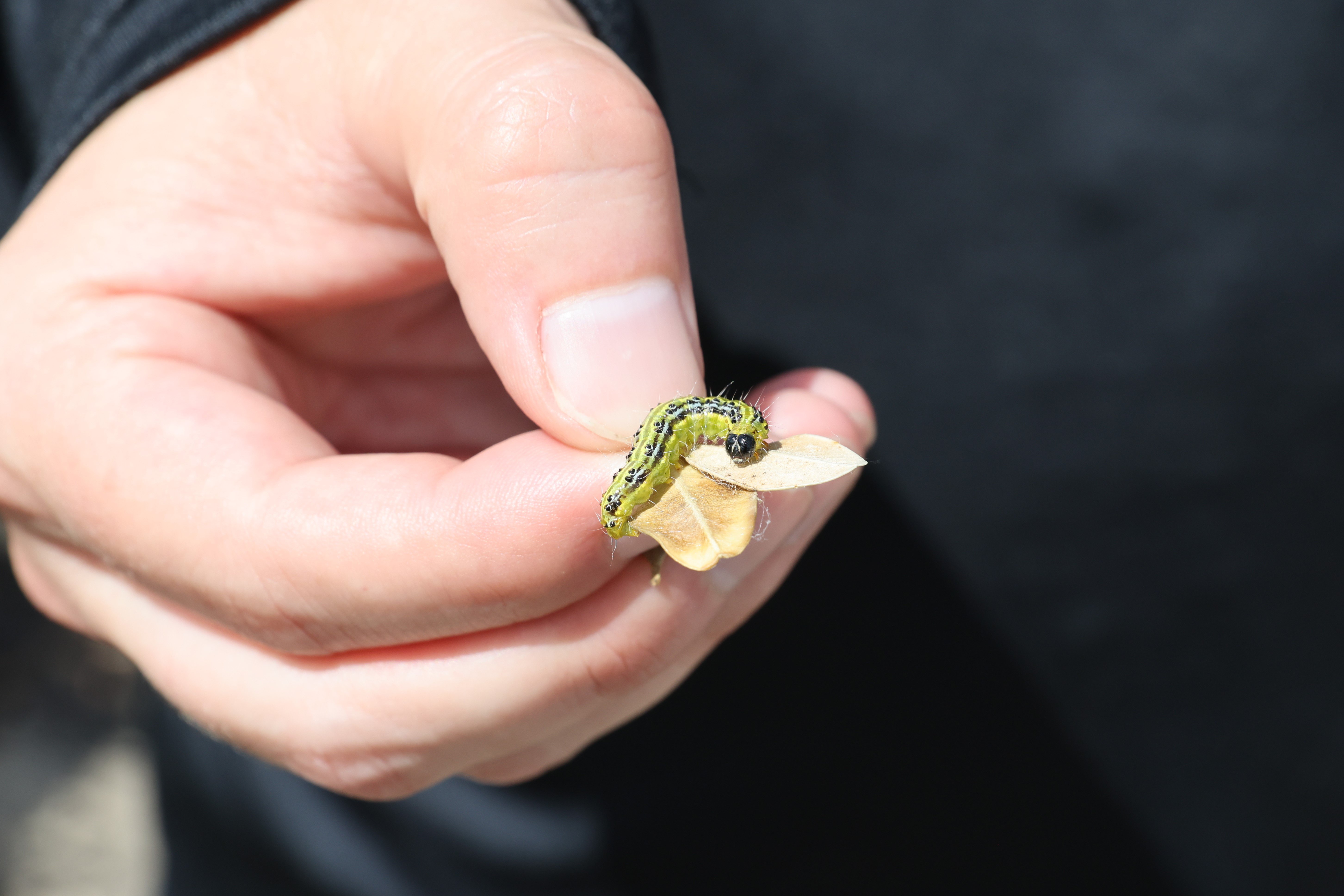
During our final insect-focused visit, we pay particular attention to box tree moths because they have become more established in our area.
Look for chewed or missing boxwood leaves, webbing, and caterpillars among the branches.
A shrub losing foliage quickly should be reported promptly rather than left until the next visit.
We also revisit scale concerns and signs of previous borer activity.
Borers feed within woody tissue. Depending on the insect involved, clues can include holes, sap, sawdust-like material, or branch decline. We assess the plant and the signs together rather than assume every hole indicates a current infestation.
This visit also gives us a chance to check overall plant vitality after summer and see whether earlier concerns have been brought under control.
Want to learn more about borers and other common insects that can damage your trees & shrubs? We made a video that goes over how to identify spider mites, scale, bagworms, leafminers, and aphids.
Tree Care in Late Fall
Tree & Shrub Care treatment 7: October 7th - November 30th
Our final visit shifts from protecting the plants back toward deep-root feeding for deciduous trees and shrubs, along with a visual inspection and care recommendations.
Want to learn more about deep-root feeding? We wrote an article that explains why winter deep-root fertilization matters, how it works, and what makes our treatments different.
Supporting Plants Beyond This Season
Plants use nutrients over time. This feeding supplements their nutrition as they move through fall and prepares them for the growing season ahead.
If your plants haven’t been getting the nutrients they need, you may notice healthier growth and greener leaves the following spring. Plants can store nutrients in their roots and stems to use when growth picks up again.
You shouldn’t expect your plants to look different right after treatment. Much of the benefit happens below the surface before you see changes in the foliage.
Cold Soil, Frozen Soil, and Standing Water
Cold soil doesn’t automatically mean roots have stopped functioning.
Soil temperatures change more slowly than air temperatures, so a chilly afternoon alone doesn’t determine whether feeding is appropriate.
We can complete feeding when soil is cold but remains suitable for application. Nutrient availability over time depends on the fertilizer, moisture, and soil conditions.
Standing water can change the schedule. If soil is saturated, nutrients may move away from the intended area instead of being placed appropriately around the roots. We assess conditions before proceeding.
Tree Care in Winter
Winter care focuses on watching for damage and reducing avoidable stress.
The care a plant receives throughout the year influences how it handles winter.
Winter Drying and Winter Drought
Dry winter air and strong winds can pull moisture from your evergreens faster than they can replace it. You may notice browning at the tips or on the sides most exposed to the wind.
For example, a boxwood beside an open driveway may dry out more quickly than one sheltered near your house. Watering before the ground freezes and checking soil moisture during milder weather can help reduce that stress. We recommend about an inch of water every two weeks, accounting for rainfall and soil moisture, while the ground is unfrozen.
Temperature Changes and Trunk Cracks
As mentioned earlier, sudden temperature changes can damage tender growth and cause long cracks in tree trunks. This can happen when the winter sun warms the bark during the day, followed by a quick drop in temperature. The inner and outer layers of wood cool and shrink at different rates, which can cause the trunk to split.
We also look at where your plants are growing. Plants near dryer vents or in the path of vehicle exhaust may experience repeated bursts of warm air followed by winter cold, creating additional stress.
Excess Moisture and Other Winter Concerns
Persistent water around roots can create problems when soil drains poorly. A struggling plant doesn’t automatically need additional watering just because winter air is dry.
Manage stress throughout the year through appropriate watering, planting depth, pruning, and mulching. Keep mulch away from trunks and stems and make pruning decisions based on the plant and the reason for the work.
Your Month-by-Month Tree & Pest Care Calendar
These are our usual treatment windows, not guaranteed appointment dates. Weather, pest development, and soil conditions can change scheduling.
|
Month |
Tree & Shrub Treatment |
Mosquito Control & Perimeter Pest Control Treatments |
Priorities |
|
January |
X |
X |
Watch for winter drying, poor drainage, and storm damage. |
|
February |
Treatment 1 |
X |
Report winter damage and changes to your plantings. |
|
March |
End Treatment 1, Start Treatment 2 |
Start Treatment 1 |
Check foliage, gutters, and screens. |
|
April |
Treatment 2 |
Treatment 1 |
Watch for leafminers, rose slug damage, scale, and standing water. |
|
May |
Finish Treatment 2, Start Treatment 3 |
End Treatment 1, Start Treatment 2 |
Check for lace bug damage, leaf spots, and unusual coatings. |
|
June |
End Treatment 3, Start Treatment 4 |
End Treatment 2, Start Treatment 3 |
Monitor chewing insects, honeydew, mites, and soil moisture. |
|
July |
End Treatment 4, Start Treatment 5 |
End Treatment 3, Start Treatment 4 |
Investigate browning instead of automatically adding water. |
|
August |
End Treatment 5, Start Treatment 6 |
End Treatment 4, Start Treatment 5 |
Check bagworms, boxwoods, and persistent mosquito activity. |
|
September |
Treatment 6 |
Treatment 5 |
Monitor late-season feeding and repair entry points. |
|
October |
End Treatment 6, Start Treatment 7 |
Treatment 5 |
Continue checking moisture and fall plant needs. |
|
November |
End Treatment 7 |
X |
Monitor drainage and prepare plants for winter with deep-root feeding and any necessary pruning. |
|
December |
X |
X |
Report concerning changes. |
What Can You Handle Yourself, and When Can Professional Care Help?
You play an important role in keeping your plants healthy. Simple habits such as checking soil moisture before watering can help support the care we provide.
Taking a closer look at your landscape regularly can also make a difference. You don’t need to identify every insect or know exactly what a leaf spot means. Noticing that a shrub is losing color or leaves are being chewed gives us helpful information to work with.
Professional care can help when you’re unsure what’s causing a problem or how to address it. A browning shrub may need water, but it could also be showing signs of mite damage, disease, or too much moisture around its roots. Understanding the cause helps us recommend care that addresses the problem.
What Results Should You Expect?
Controlling a pest and repairing the damage it caused are different parts of the process.
Leaves damaged by lace bugs, leafminers, or chewing insects won’t look new again after treatment. Instead, look for less damage to new growth, healthier foliage as your plants recover, and fewer signs of active feeding.
How Much Does Tree Care Cost?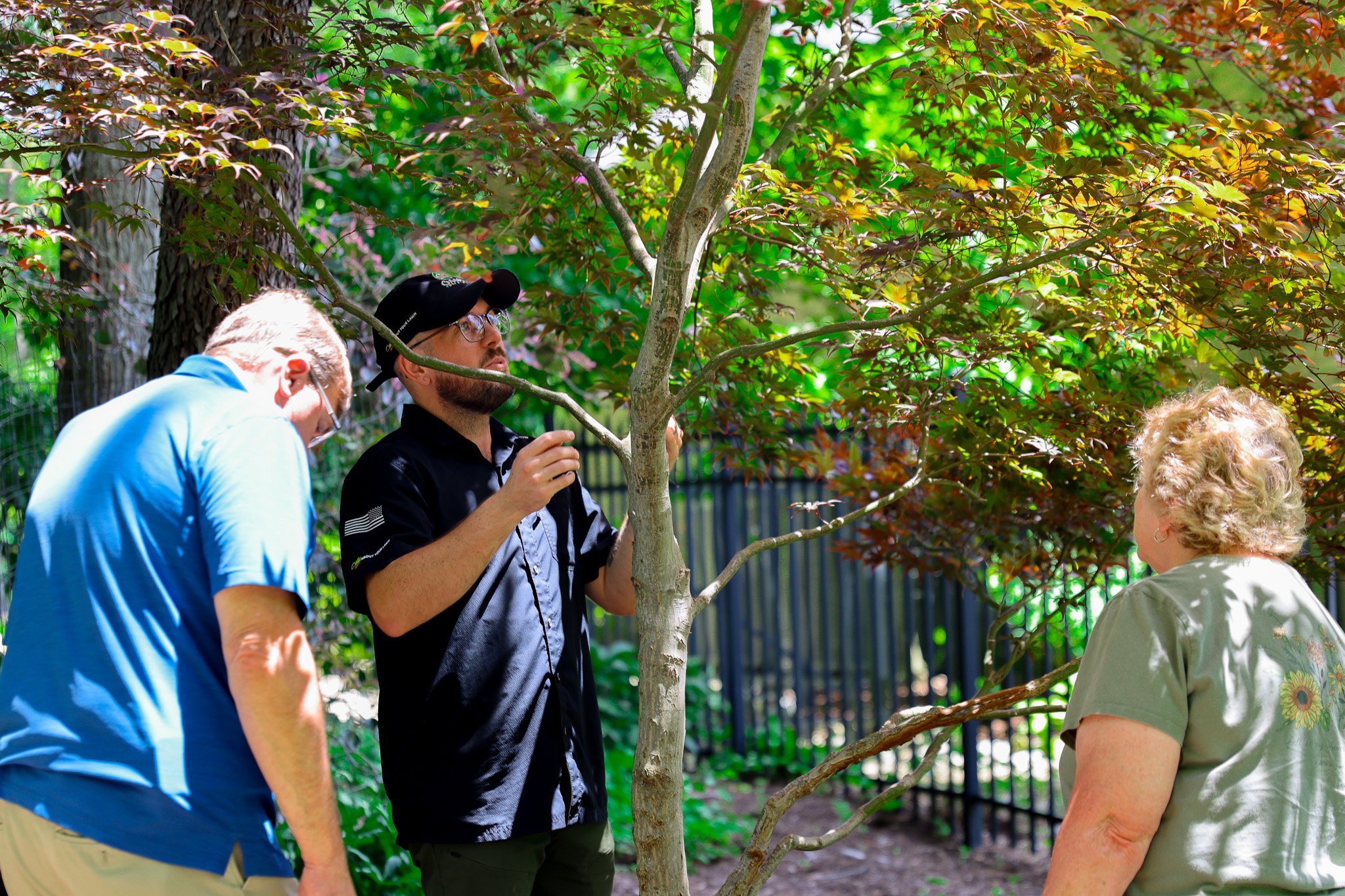
Now that you understand the seasonal care involved, you may be wondering what these services would cost for your property.
At Oasis Turf & Tree, our average homeowner pays an average of $647.50 per year. Pricing is based on the number of treatable trees on your property and increases in increments of 10 trees.
Wondering if Oasis is the right fit for your Tree & Shrub Care needs? We made a video that explains who benefits most from our program and when a different approach may be a better fit.
Interested in learning more about our Mosquito & Pest Control services? We made videos that walk you through how each program works and how they fit alongside our other services.
Watch Now: What is Our Perimeter Pest Control Program at Oasis Turf & Tree?
Watch Now: What is Our Mosquito Control Program at Oasis Turf & Tree?
Frequently Asked Questions
What does sticky residue beneath a plant mean?
It may be honeydew from sap-feeding insects such as aphids, soft scales, or spotted lanternflies. It can also support a black coating called sooty mold.
Are holes in rose leaves always caused by beetles?
No. Rose slug sawflies can also cause holes, thin patches, and leaves reduced to veins. Identifying the feeding pest helps determine the response.
Does a white coating on leaves always need treatment?
A white, powdery coating may be powdery mildew. The plant, amount of affected growth, and overall condition help determine whether monitoring or additional care is appropriate.