
You’ve been mowing, watering, and investing in lawn care, but weeds are still showing up.
It’s frustrating to put effort into your lawn and still see weeds coming back. If you’re receiving professional treatments, you may even wonder whether the products are working or whether the lawn professional visiting your property brought the weeds with them.
At Oasis Turf & Tree, we’ve spent over 30 years helping over 24,000 homeowners throughout Cincinnati, Dayton, & Northern Kentucky build healthier lawns. Our approach combines weed control with soil health and proper maintenance because treating the weeds you see is only part of the process. We know that every lawn is different. By recognizing what's growing, looking at how your lawn has responded to previous treatments, and considering the conditions affecting it, we can help you understand what your lawn needs and why.
In this article, we’ll explain where weeds come from, why they keep appearing, and how professional care and your maintenance habits work together to give them fewer opportunities to grow.
Quick Answer: Weeds can grow from seeds already in your soil, arrive from surrounding areas, or spread from established plants above and below ground. Soil, grass seed, and equipment can also carry seeds or plant material. Consistent weed control and a thick, healthy lawn help manage those weeds, but treatments can’t permanently eliminate every source.
In this article:
- Where Do Weeds Come From?
- Why Do Weeds Keep Growing in the Same Areas?
- Which Type of Weeds May You Notice Throughout the Year?
- Why Are Weeds Still Appearing After Professional Lawn Treatments?
- Why Do Weeds Appear After Seeding?
- What Can Homeowners Do to Help Keep Weeds Under Control?
- How Do I Get Rid of Weeds in My Lawn?
- Frequently Asked Questions
Where Do Weeds Come From?
A weed showing up today doesn’t necessarily mean it arrived on your property yesterday. It may have been waiting in the soil, spreading from a nearby plant, or growing back from parts left underground.
Weed Seeds Can Already Be in Your Soil
Your soil contains weed seeds that may remain dormant until conditions allow them to grow. This collection of seeds is sometimes called a seed bank.
You can have an area that looks clear while seeds remain underneath. When moisture, temperature, and other conditions become suitable, some of those seeds begin growing.
Some weed seeds can remain in soil for 30 years or more.
That means a weed appearing after a treatment or landscaping project may have started from a seed that was already there.
Seeds Can Arrive From Surrounding Areas
Dandelions are a familiar example. Once they produce their fluffy seed heads, wind can carry the seeds beyond the lawn where they started.
Birds and other animals can move seeds, too. Your lawn is exposed to the properties, landscape beds, roadsides, and other spaces around it.
When we investigate weeds, we start by identifying the plant and looking at where it’s growing. For example, if most of your lawn is clear but one edge has the same weeds growing heavily on the adjoining property, that pattern can help us understand where continued growth may be coming from.
Materials Can Bring Weed Seeds Into Your Yard
Topsoil and poor-quality grass seed can introduce weeds or unwanted grasses. That’s why the quality of those materials matters.
However, weeds appearing after a project doesn’t automatically prove that the new materials brought them in.
Disturbing the soil and changing your watering habits can also encourage seeds already present to grow.
Equipment Can Carry Soil and Plant Material
Mowers, shoes, tires, and tools can move soil and plant debris between areas. If that material contains viable seeds or plant parts, it can contribute to their spread.
Existing Weeds Can Spread or Grow Back
Some weeds spread without needing a new seed to arrive.
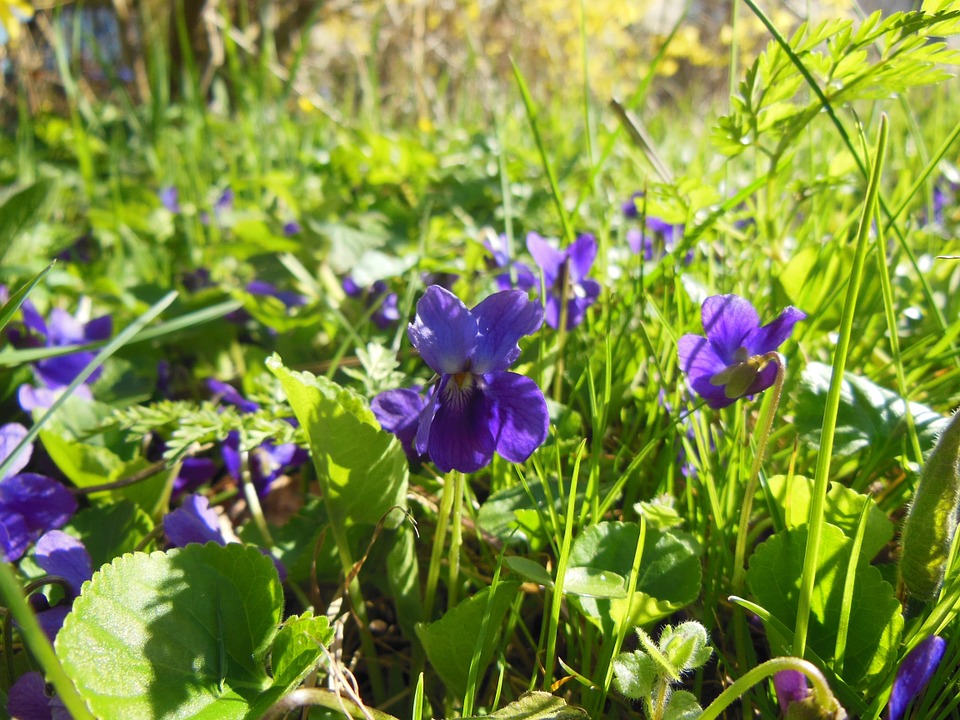
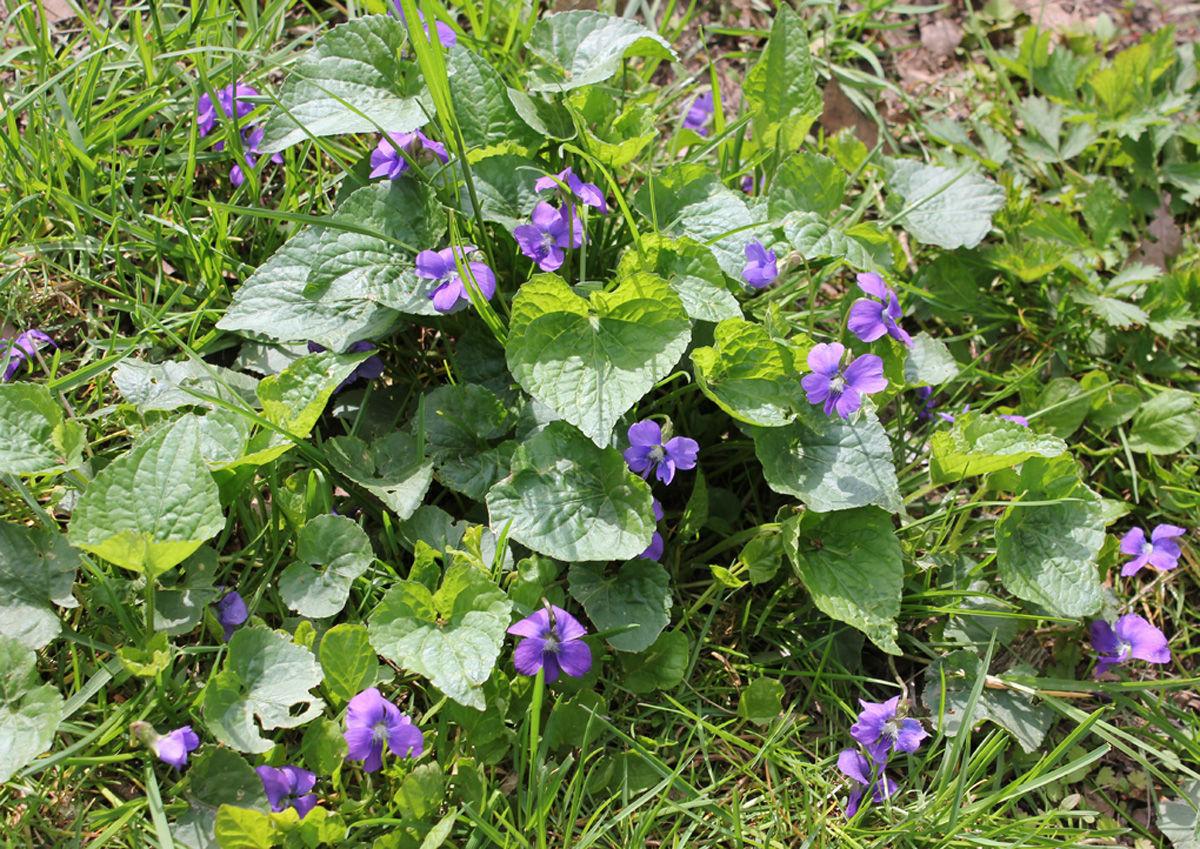
For example, ground ivy sends out stems that grow along the soil and take root as they spread. Wild violet spreads beneath the surface through underground stems called rhizomes. These growth habits allow them to spread without new seeds and can make them harder to control.
What looks like a new weed may be another shoot from a plant already established below the surface.
Why Do Weeds Keep Growing in the Same Areas?
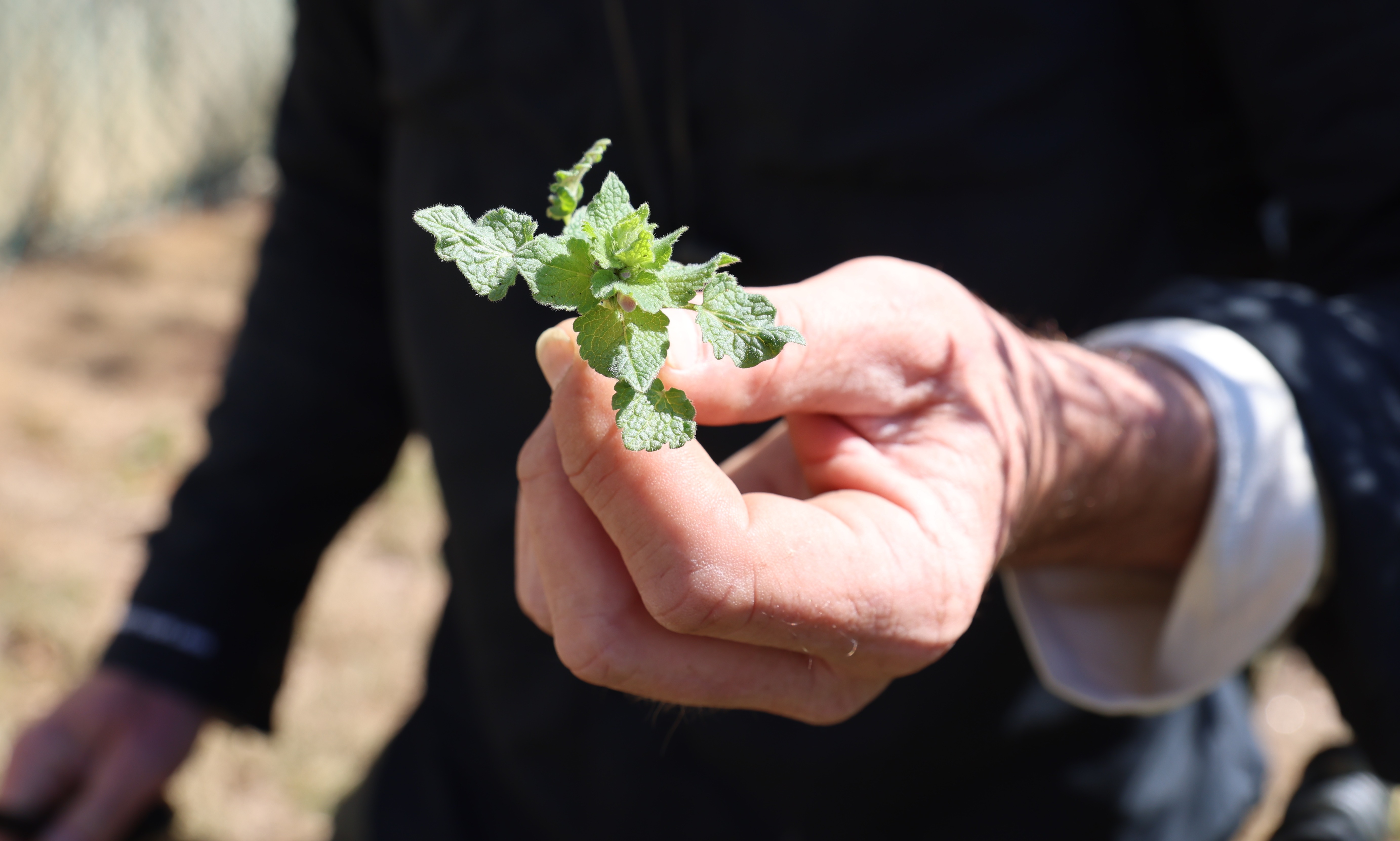
Where a weed grows can help explain why it keeps returning.
We commonly find recurring weeds along driveways, streets, and sidewalks because pavement absorbs and releases heat, making nearby grass more vulnerable to heat and drought stress. As the grass thins, weeds such as crabgrass can take advantage of the warmer conditions and extra room to grow.
We also commonly find weeds where the soil is compacted, or the grass is thin. Compacted soil makes it harder for grass roots to get the air, water, and nutrients they need to grow. As the grass struggles and thins, it leaves more space and sunlight for weeds to take hold.
This is especially common in Cincinnati, Dayton, & Northern Kentucky, where heavy clay soils are prone to compaction.
Want to learn how to address compaction and build a healthier lawn? We made a video that explains the challenges of compacted soil, ways to improve soil function, and how core aeration can help.
Thin Grass Leaves Room for Weeds
A thick, healthy lawn is one of your best defenses against weeds. When grass grows closely together, it leaves less space for weeds to grow. If your lawn becomes thin or bare, more sunlight reaches the soil, giving weed seeds a better opportunity to sprout. Those weeds can then fill the gaps where your grass is struggling, which is why improving lawn thickness is an important part of keeping weeds under control.
Mowing Too Short Can Make the Problem Worse
We generally recommend maintaining established lawns around 3-4 inches tall. That height helps shade the soil and keeps the base of the grass plants cooler.
Turf Type Tall Fescue is the cool-season grass we recommend for Cincinnati, Dayton, & Northern Kentucky lawns. The downside is that it can struggle in summer heat, so keeping the blades taller helps shade and cool the crowns, where new growth develops.
Cutting your lawn too short exposes the lawn to more environmental stress and can lead to thinning. Those openings give weeds more opportunities to grow.
Real Life Story: We saw this on a property in Cincinnati that we began treating in spring. The lawn was thin, and we started with crabgrass prevention and fertilization to support the established grass. However, the homeowner’s short mowing height continued stressing the turf.
Once the homeowner changed the mowing routine, the grass became healthier. Treatments and better maintenance worked together to improve the lawn’s ability to compete with weeds.
Interested in learning about proper mowing techniques? We made a video that goes over how to check your mowing height, understand your mower settings, decide how often to mow, and why sharp mower blades are necessary for healthy grass.
Watch Now: Proper Mowing Tips: The 3 Most Important Categories
Drainage and Shade Affect What Grows
When soil stays too wet, water fills the small spaces that normally hold air. This limits the oxygen available to grass roots, making it harder for them to stay healthy. Over time, the grass can weaken and thin, leaving room for weeds that tolerate those conditions.
During summer, we often find nutsedge in areas with poor drainage or too much irrigation because it thrives in moist soil. Improving drainage or adjusting watering can help your grass grow healthier, but moisture alone doesn’t explain every nutsedge problem. It can grow in well-drained lawns, too.
Sunlight also influences which weeds you’re likely to see. Crabgrass thrives in hot, sunny areas, while chickweed and hairy bittercress can grow well in cooler, shaded spots. If your grass is struggling with too much shade, those weeds may have less competition and more room to spread.
Compacted Soil Makes Healthy Growth Harder
Compaction reduces the spaces in soil that allow air and water to move. When grass struggles to develop healthy roots, weeds that tolerate those conditions can gain an advantage.
We often encounter spurge in compacted areas. Knotweed is another weed associated with heavy traffic and tightly compacted soil, including areas near walkways.
What Type Of Weeds May You Notice Throughout the Year?
Different weeds become noticeable at different times. A lawn that looks clear in spring may develop a different group of weeds during summer.
Dandelions, wild violet, ground ivy, clover, and oxalis are among the weeds we commonly encounter in Cincinnati, Dayton & Northern Kentucky. The following are examples of what we watch for throughout the season.
|
Time of Year |
Weeds We Commonly Encounter |
|
Spring |
Chickweed, hairy bittercress, and oxalis |
|
Summer |
Spurge, nutsedge, crabgrass, foxtail, goosegrass, and purslane |
|
Fall |
Wild violet, ground ivy, and clover |
These aren’t strict seasonal boundaries. Weather can affect timing, and some weeds remain present across multiple seasons.
Some weeds grow from seed, produce more seed, and die within a year. Others, including wild violet and ground ivy, survive for multiple years.
That difference matters when we evaluate your lawn. A weed appearing later in the season may be newly emerging growth rather than the same plant surviving every previous treatment.
Why Are Weeds Still Appearing After Professional Lawn Treatments?
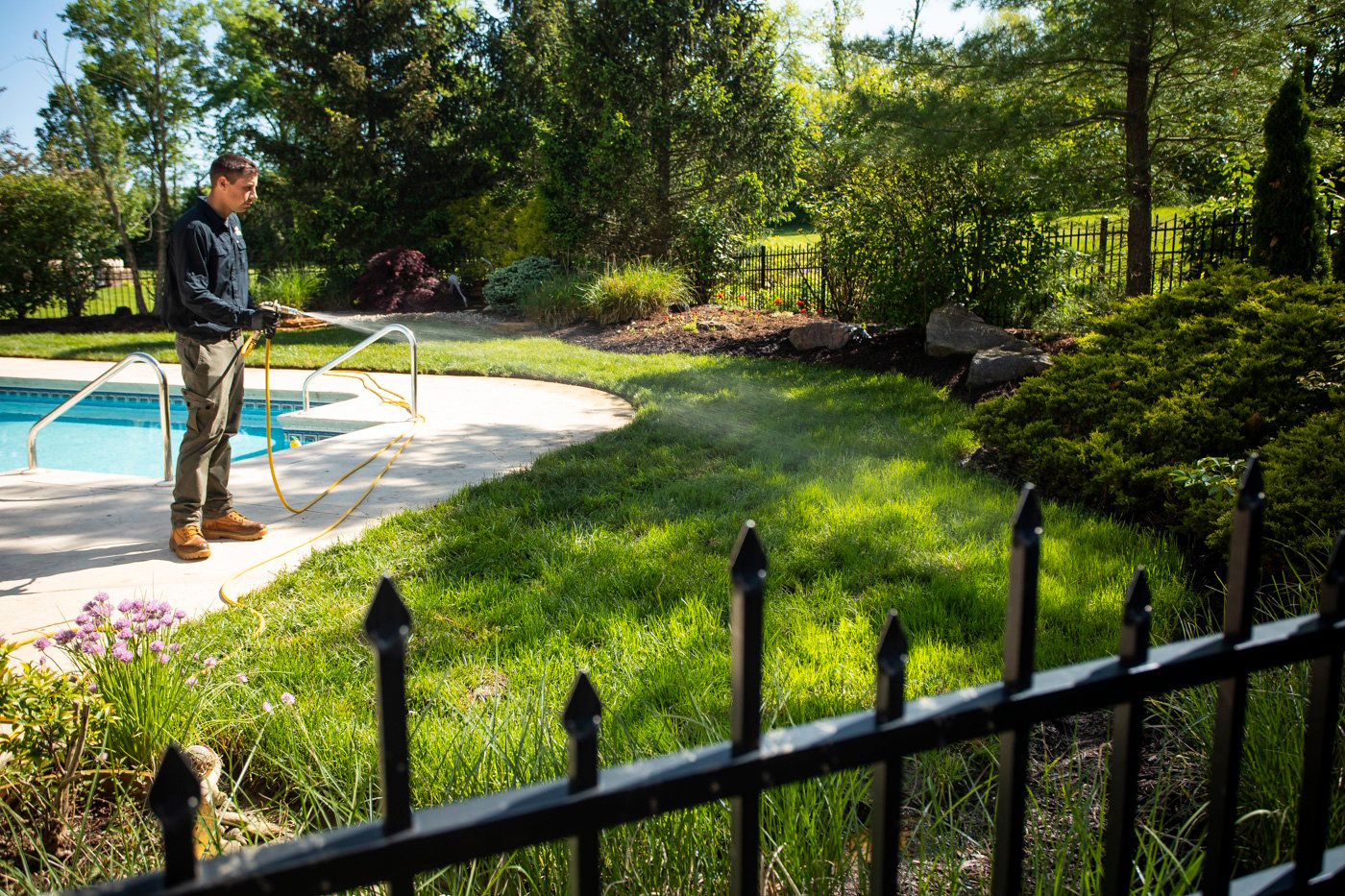
One common misconception we hear is that once a lawn has been sprayed, weeds should stop appearing altogether.
Weed control can address the weeds it targets, but it can’t eliminate every seed in your soil or stop every weed from reaching your property.
Preventive treatments and treatments for existing weeds also serve different purposes. Crabgrass prevention helps control susceptible developing weeds. An application for visible broadleaf weeds addresses plants already growing.
We Look at Previous Visits and the Weed’s Growth Cycle
Here at Oasis, our technicians document the weeds they find and where they are most prevalent. Those notes help us compare what was present during the previous visit with what is growing now.
For example, crabgrass appearing in May or June may not have been visible at the previous treatment. A weed’s growth cycle helps us determine whether we’re looking at new emergence.
We also examine the plants themselves. If a treated weed is declining while a fresh, healthy plant of the same type is growing beside it, those may be two different plants.
Weed Control Takes Time
We generally tell homeowners to allow about 10-14 days to see signs that treated weeds are declining. The response can vary with the weed, weather, and growth stage.
Some weeds need more than one treatment. Wild violet’s underground growth, for example, makes it harder to control than simply removing the leaves you see.
Wondering whether you’re seeing wild violet or ground ivy in your lawn and how to treat it? We wrote an article that walks you through identifying these weeds, why fall is the best time to treat them, and what to expect afterward.
Why Do Weeds Appear After Seeding?
Seeing weeds beside your new grass can be disappointing. It’s understandable to wonder if the grass seed caused the problem.
However, weed seeds already in the soil may begin growing under the same watering and growing conditions supporting your grass seed.
There can also be a period when weed control needs to be delayed to protect new grass. During that time, weeds may become more noticeable because we can’t immediately treat them as we would in established turf.
The seed you purchase can play a role, too. Some lower-quality bags contain weed seeds or unwanted grass varieties.
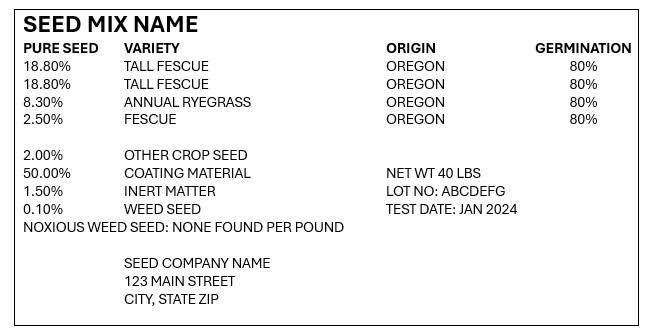
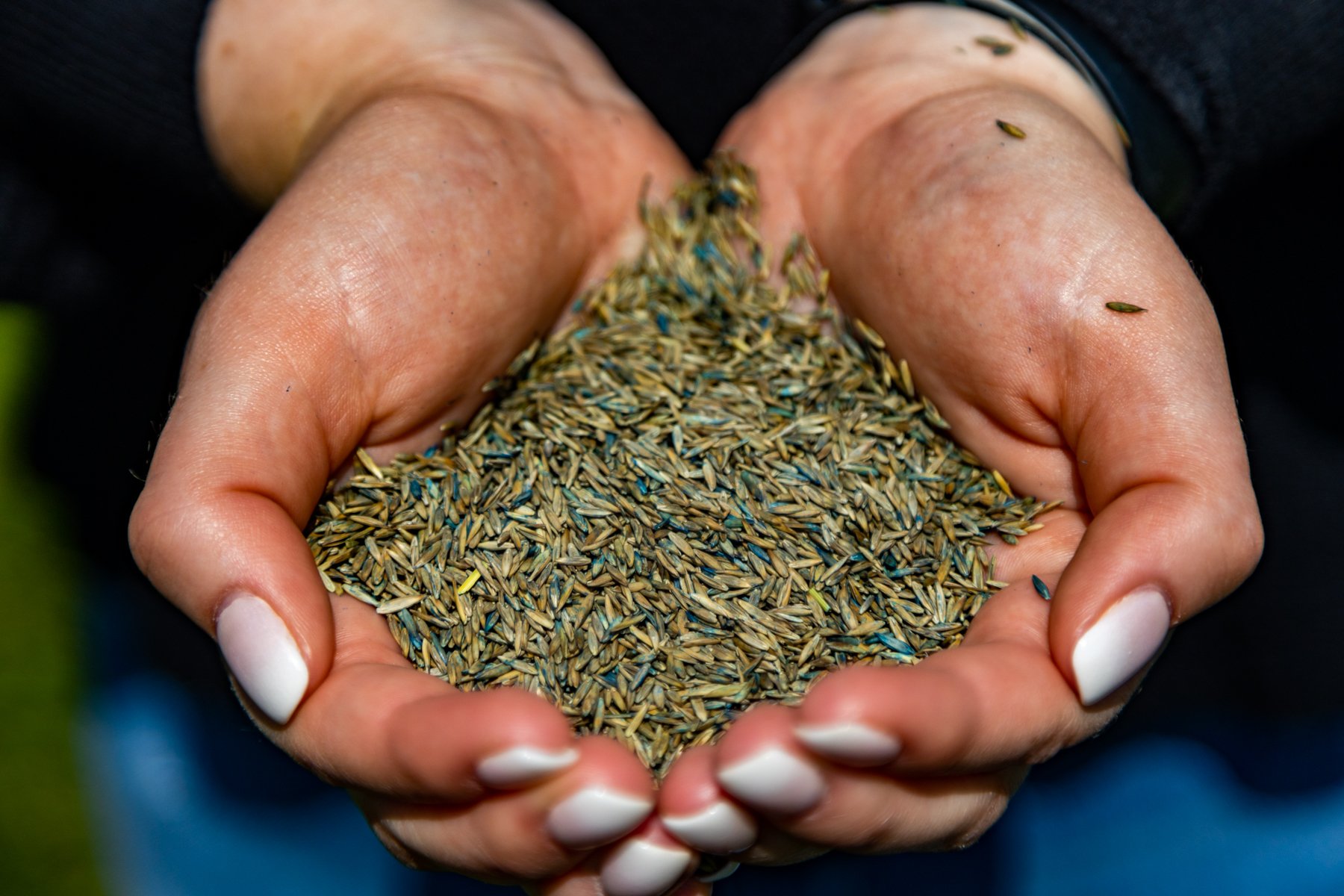
Before buying, turn the bag over and read the seed analysis label. It tells you what’s actually inside, for example:
- Grass varieties: Look for named varieties suited to your lawn. For Cincinnati, Dayton, & Northern Kentucky lawns, we recommend Turf Type Tall Fescue.
- Germination percentage: This tells you how much of the seed sprouted during testing. A higher percentage means more of the seed is capable of growing under suitable conditions.
- Weed seed: Look for a percentage as close to zero as possible.
- Other crop seed: This can include grasses you don’t want in your lawn. Look for a percentage as close to zero as possible here, too.
Introducing an unwanted grass type, or weedy grass, can be particularly frustrating because controlling it may also damage the desirable grass around it that you want to preserve. Checking the label before seeding helps you avoid introducing a problem that’s harder to address later.
However, new weeds after seeding don’t automatically mean you bought poor-quality seed or your lawn care failed. We look at what you planted, what was already growing in the area, and which treatments can be used while your new grass establishes.
What Can Homeowners Do to Help Keep Weeds Under Control?
Your maintenance between visits plays an important role in helping your lawn stay thick and healthy.
Keep established grass at the recommended height, mow often enough to avoid removing too much at once, and use sharp mower blades. Water according to your lawn’s needs and rainfall rather than assuming more water is always better.
If the same area stays thin, discuss the cause before repeatedly adding grass seed. Drainage, shade, and compaction may need attention for new grass to succeed.
How Do I Get Rid of Weeds in My Lawn?
Now that you understand where weeds come from, your next question may be, “How do I get rid of them?”
The first step is identifying what’s growing in your lawn. Different weeds require different approaches, so knowing what you’re dealing with helps determine the best way to control them.
Want to learn how to identify common seasonal weeds? We made videos that walk you through four common weeds in each season: spring, summer, and fall, how to recognize them, and what it takes to control them.
Watch Now: Identifying the Top 4 Most Hated Spring Weeds & How to Treat Them!
Watch Now: Identifying the Top 4 Most Hated Summer Weeds & How to Treat Them!
Watch Now: Identifying the Top 4 Most Hated Fall Weeds & How to Treat Them!
There are two main types of weed control: selective and non-selective. At Oasis Turf & Tree, we use selective weed control to target weeds while protecting your healthy grass.
However, weed control is only part of building a healthier lawn. Consistent lawn health care, paired with proper mowing and watering, helps your grass grow thicker and gives weeds fewer opportunities to take hold.
Want to learn how consistent lawn care keeps your grass healthy? We wrote an article that explains why healthy lawns still need care, what happens when you stop, and how to understand what your lawn needs.
Frequently Asked Questions
Why are weeds growing faster than my grass?
Some weeds thrive during summer heat while cool-season grass grows more slowly. Thin or stressed grass also gives weeds more room to grow.
Will fertilizer get rid of weeds?
Fertilizer doesn’t directly control weeds. It supports grass growth, helping your lawn become thicker and better able to compete with them.
Do I need to start over if my lawn has more weeds than grass?
Not always. First, determine how much desirable grass remains and why it’s struggling. That helps establish whether ongoing treatments and overseeding can improve the lawn or whether more extensive renovation makes sense.
Will weeds eventually go away if I keep mowing?
Many weeds survive below mowing height or regrow from underground structures. Mowing alone usually won’t resolve an established weed problem.