
Fall is one of the most important seasons for your lawn, offering ideal soil temperatures and the perfect opportunity to prepare your grass for healthy spring growth. But knowing what your lawn needs and when to do it can be challenging. Most homeowners understand that proper maintenance is essential for keeping their lawn healthy, but without the right guidance, it can be difficult to know which steps matter most and when to take them.
At Oasis Turf & Tree, more than 24,000 customers trust us to help keep their lawns and landscapes healthy year-round. Our goal is not only to provide expert lawn care, but also to give homeowners the knowledge they need to understand what their lawn needs throughout the year.
We’re here to walk you through exactly what your lawn needs this fall, what it doesn’t, which tasks you can handle yourself, and when it makes sense to bring in a professional.
Quick Answer: Fall lawn care is important because it provides the best opportunity to help your lawn recover from summer and prepare for the months ahead. To take care of your lawn in the fall, you should do the following:
- Aeration
- Treat difficult-to-control weeds
- Meter your water correctly
- Maintain proper mowing
- Maintain leaf drop
- Avoid heavy foot traffic during hard frosts
- Continue proper fertilization
You should not:
- Assume a good-looking lawn doesn’t need attention
- Ignore signs of weed or disease
- Assume every lawn needs the same treatment
Every lawn is different; to better determine a specific course of action for your lawn, contact a lawn care professional.
- Why Fall Lawn Care Matters
- 7 Things You Should Do For Your Lawn in the Fall
- What Should You NOT Do to Your Lawn in the Fall
- Can You Take Care of Your Lawn Yourself in the Fall?
- How to Know What My Lawn Needs?
- Frequently Asked Questions
Why Fall Lawn Care Matters
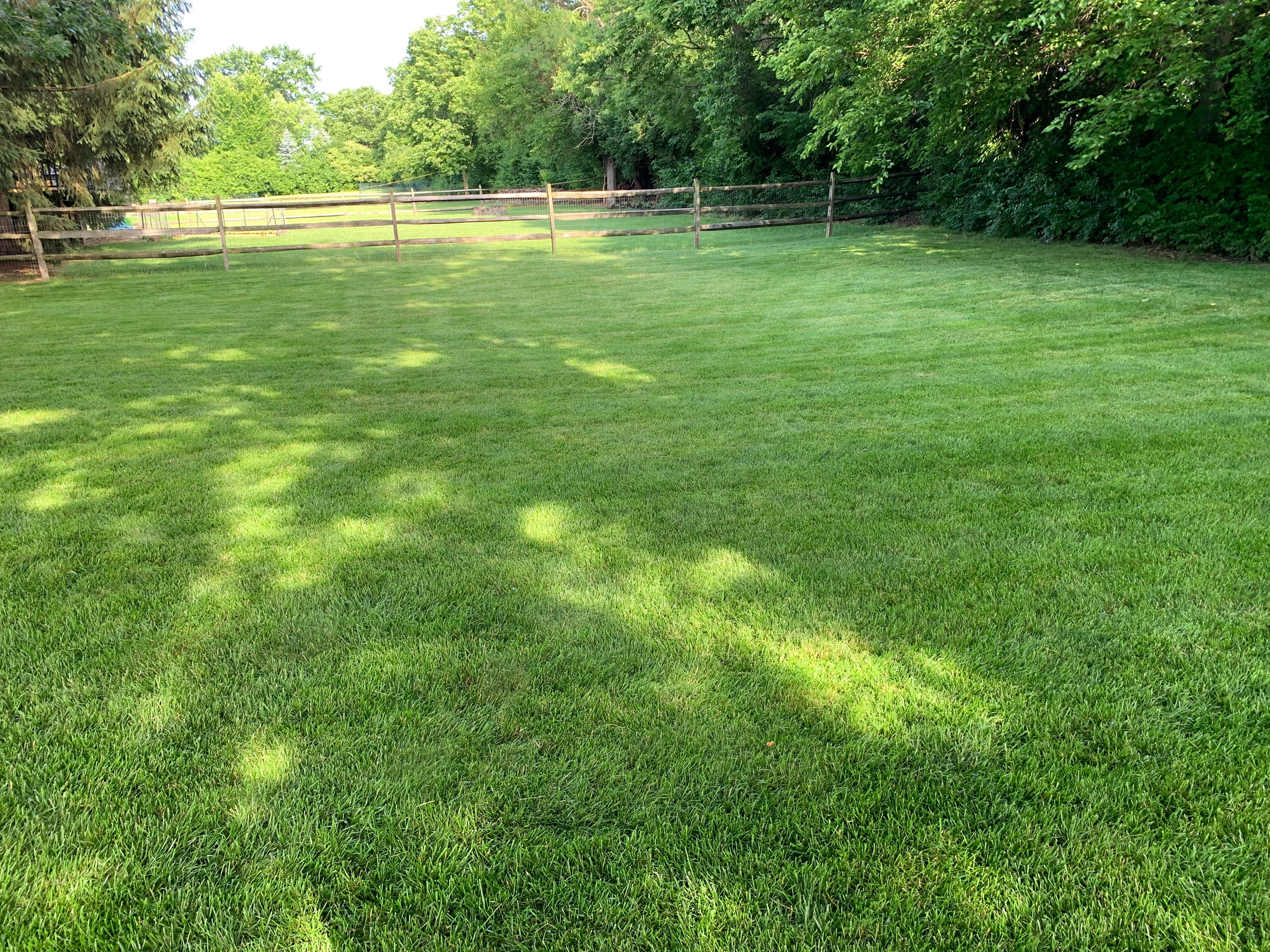
Fall is one of the most important times of year to care for your lawn. While spring marks the beginning of the growing season, summer can leave your lawn stressed from heat and dry conditions, and winter brings a period of dormancy. Fall provides the best opportunity to help your lawn recover from summer and prepare for the months ahead.
By properly caring for your lawn in the fall, you can give it the nutrients and support it needs to enter winter in a healthy condition. During dormancy, your lawn relies on the resources it has stored, allowing it to make it through the colder months and be better prepared to resume active growth when spring arrives.
Rather than treating fall as the time to stop caring for your lawn, think of it as an opportunity to prepare for the growing season ahead. By giving your lawn the care it needs in the fall, you’re not only setting it up for a stronger spring, but also laying the foundation for the entire growing season ahead.
7 Things You Should Do for Your Lawn in the Fall
Now, you’re probably wondering, “What should I actually be doing for my lawn this fall?” Following these seven steps can help your lawn stay healthy and resilient throughout the colder months while giving it the strong foundation it needs for a successful spring.
1: Aeration
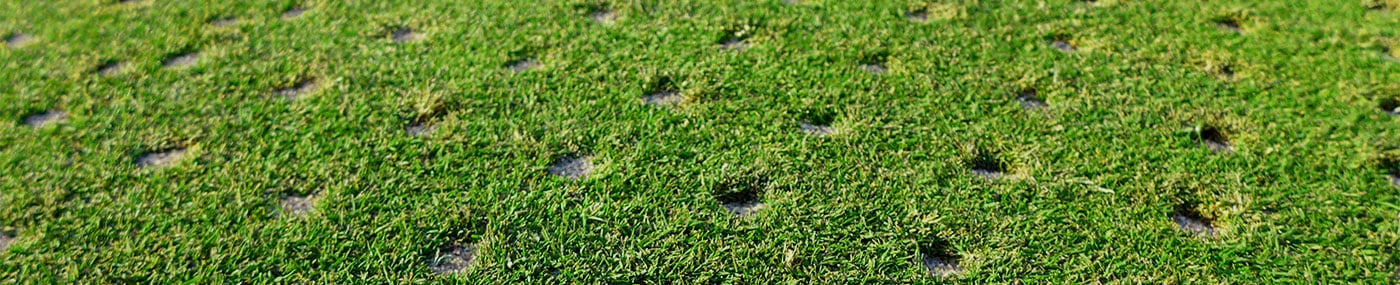
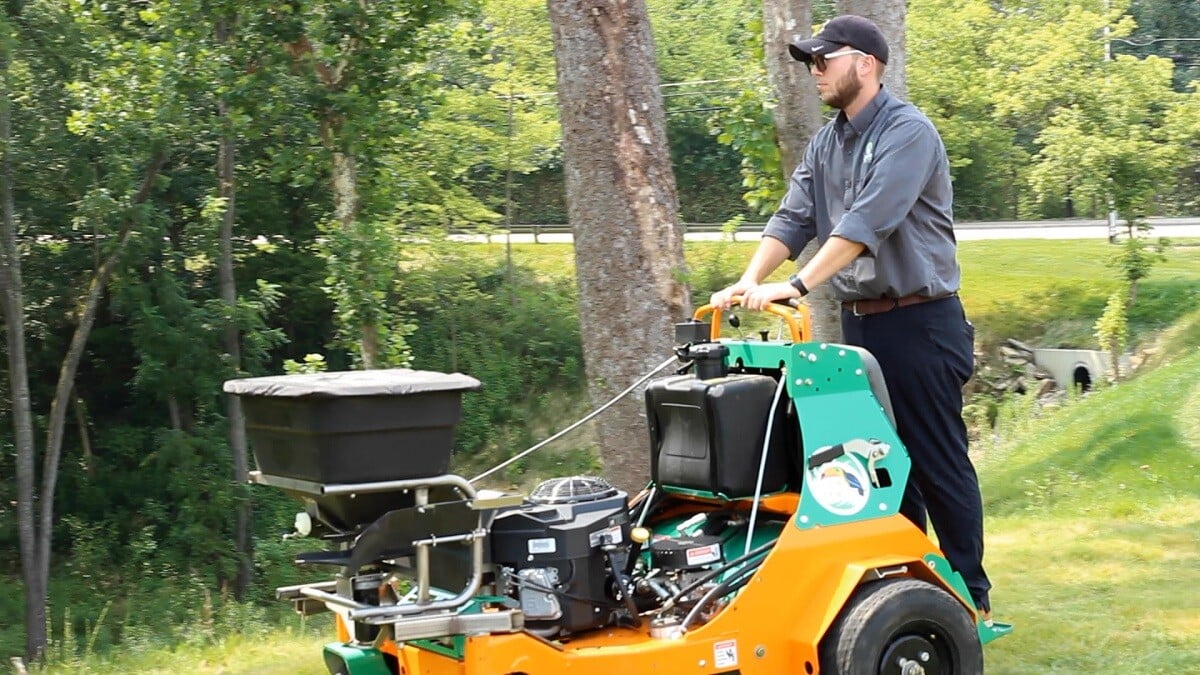
Fall is an ideal time to aerate your lawn because cool temperatures and more favorable moisture levels create the right conditions for your grass to recover and grow. Aeration relieves soil compaction by creating small openings in the soil, allowing water, oxygen, and nutrients to reach the root zone more effectively. This is especially important in Cincinnati, Dayton, and Northern Kentucky, where heavy clay soils can make it difficult for these essential resources to penetrate. Aeration also gives your lawn room to develop stronger roots before winter, helping it enter dormancy in better condition and promoting healthier growth when spring arrives.
By investing in aeration, you create the space your grass needs to grow more effectively, helping fill in bare spots and thin areas while promoting thicker, healthier turf.
2: Treat Difficult-to-Control Weeds
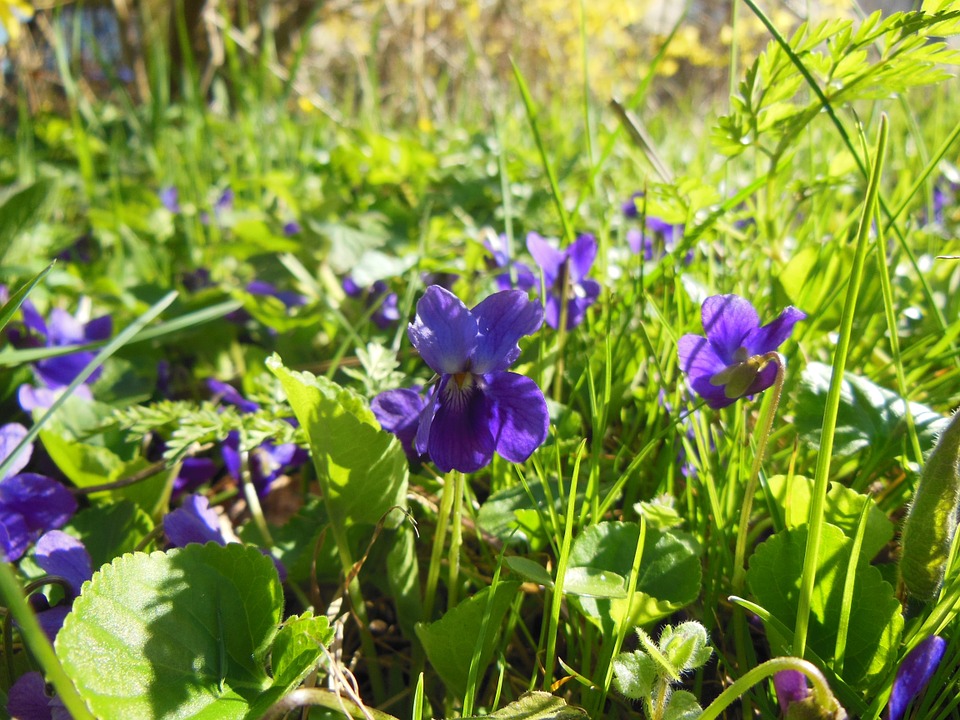
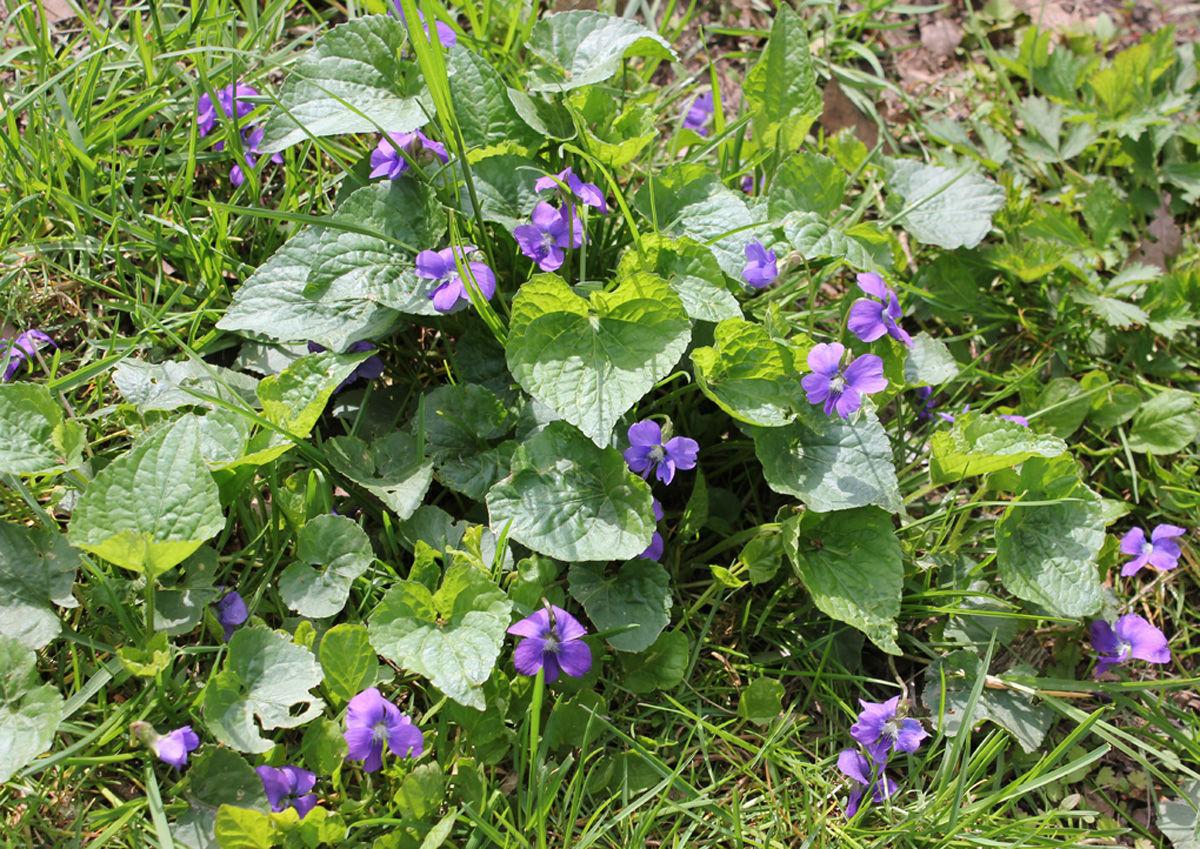
Fall is the ideal time to treat many difficult-to-control weeds such as ground ivy and wild violet. For these weeds specifically, treatment can be more challenging during the warmer months. In summer, ground ivy and wild violet can develop a waxy coating on their leaves that makes it more difficult for weed control products to penetrate the plant effectively. As temperatures cool in the fall, this waxy coating diminishes, allowing treatments to better penetrate the plant and target the weed more effectively.
A properly timed treatment can help weaken or control these weeds at the root level, which can result in less regrowth the following year. However, established weeds may still require repeated treatments for better long-term control.
3: Meter Your Water Correctly
During the fall, it’s important to provide your soil with adequate water without overwatering. Because rainfall is typically more frequent during this season, homeowners usually don’t need to supplement with as much irrigation as they would during the summer or periods of excessive heat and drought. In fact, overwatering is often the bigger concern in the fall. Irrigation systems can contribute to this when they continue running without accounting for natural rainfall. For example, if your lawn has already received several inches of rain, additional irrigation may be unnecessary.
During the fall, deep and infrequent watering is best. Allowing the soil to dry slightly between waterings encourages roots to grow deeper in search of moisture. A deeper root system helps your lawn access water more effectively and can improve its ability to withstand future periods of heat and drought.
4: Maintain Proper Mowing
Proper mowing in the fall is important for maintaining a healthy lawn heading into winter. Continue mowing regularly rather than allowing your grass to become overgrown, as excessively long grass can increase the risk of winter disease and other issues. There is no set date for when you should stop mowing. Instead, continue mowing as needed and adjust your schedule as growth naturally slows with lowering soil temperatures.
5: Maintain Leaf Drop
Managing leaf drop is extremely important in the fall. As trees begin to lose their leaves, allowing a thick layer to accumulate on your lawn can suffocate healthy turf by blocking sunlight, air, and moisture from reaching the grass.
Rather than removing every leaf, we recommend mulching them and returning the organic material to the soil. You can do this by mowing over the leaves to break them into small pieces, allowing them to settle into the turf and decompose naturally. As they break down, the leaves return valuable organic matter and nutrients to the soil, helping support your lawn as it prepares for winter. If the leaf layer is too thick to mulch effectively, rake or remove some of the excess first. The goal is to keep leaves from forming a heavy layer over the grass while still taking advantage of the nutrients they can provide.
6: Avoid Heavy Foot Traffic During Hard Frosts
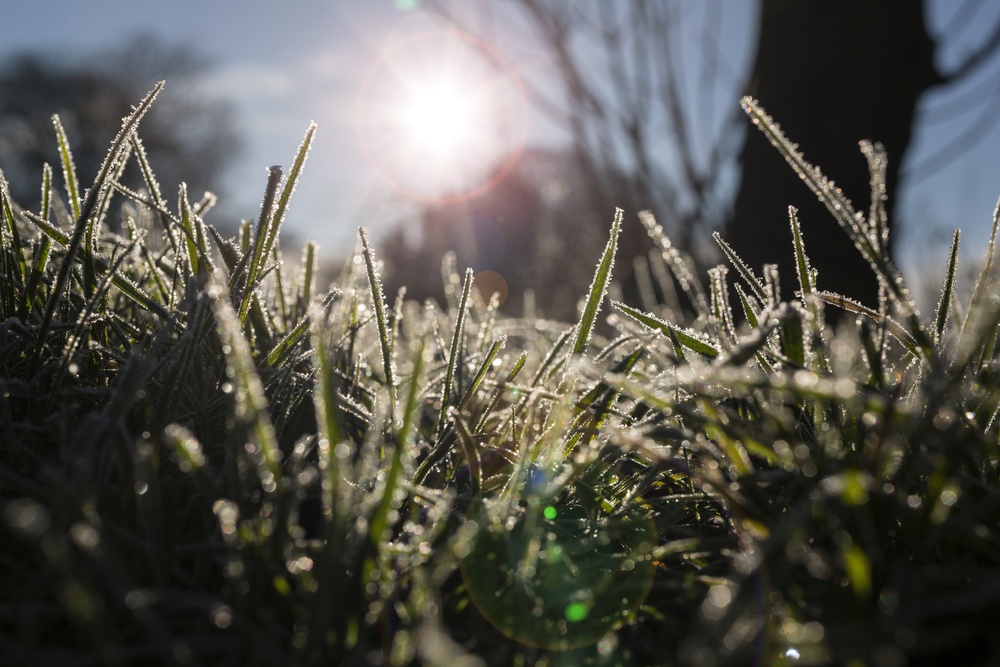
Avoiding foot traffic on your lawn during the fall is something many homeowners may not consider, but it can be important for protecting your grass. During hard frosts, the crown of the grass plant, which is the active growing point, can become frozen and especially vulnerable to damage. Walking across the lawn while the grass is frozen can bruise or break the plant tissue, potentially causing lasting damage or even killing the affected grass.
Knowing when hard frosts are likely and limiting foot traffic during these periods can help prevent unnecessary damage to your lawn. Giving frozen grass a chance to remain undisturbed helps protect the turf and promotes healthier growth when spring arrives.
7: Continue Proper Fertilization
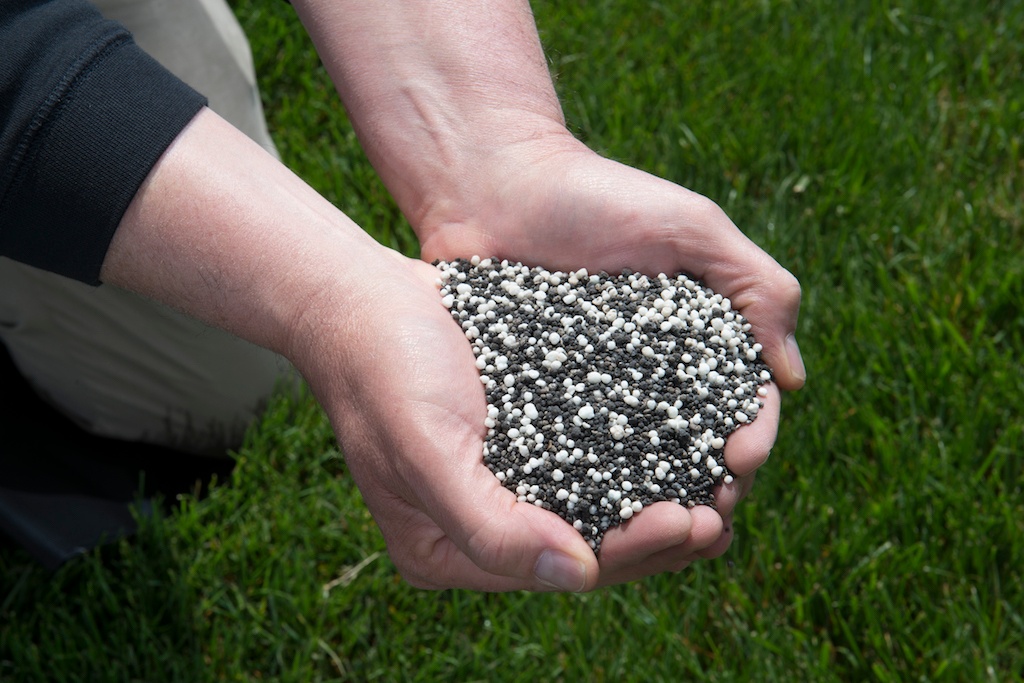
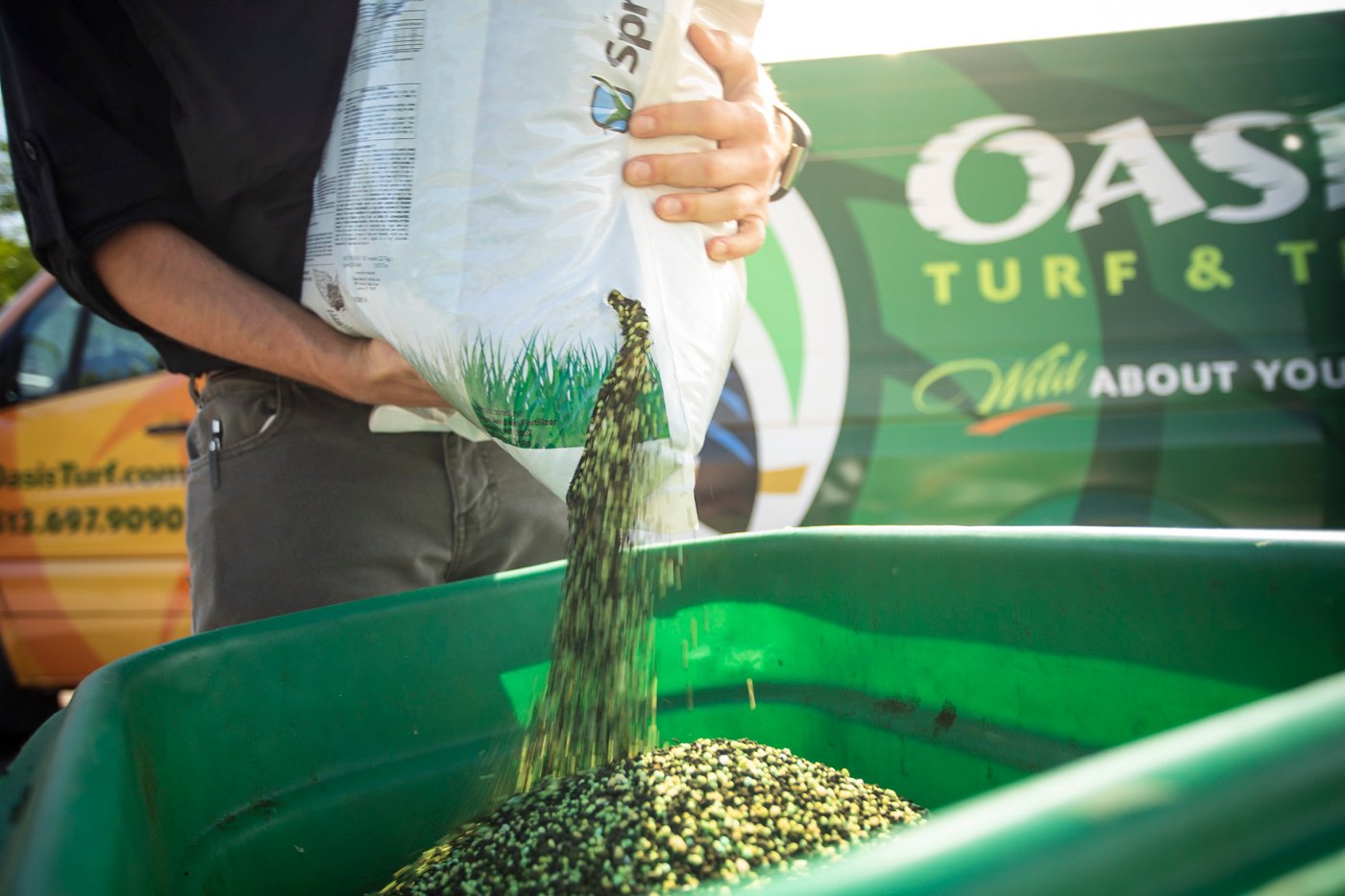
Continuing proper fertilization in the fall is an important part of preparing your lawn for the colder months. Fall fertilization is often considered one of the most important applications of the year because it provides essential nutrients that help support your lawn through winter and into spring. This final application gives the grass the resources it needs to withstand colder conditions and promotes a healthier start when spring growth begins.
Our fertilization treatments are specifically designed to be slow-release, so your lawn receives a steady supply of nutrients over time rather than one quick burst. This provides your grass with the nutrients it needs when it needs them, supporting consistent growth and overall lawn health.
Providing the right nutrients before dormancy helps support the turf through the winter months and sets it up for healthier growth and recovery when spring arrives.
What Should You NOT Do to Your Lawn in the Fall
Just as it’s important to know what you should do for your lawn in the fall, it may be arguably even more important to know what not to do. Knowing what to avoid can help you give your lawn the adequate care it needs during this crucial season.
During fall, you shouldn’t:
Don’t Assume a Good-Looking Lawn Doesn’t Need Attention
A common mistake many homeowners make is assuming that once their lawn starts looking better, the work is done. Unfortunately, maintaining a healthy lawn requires consistent care and preventative maintenance. Much like keeping a home clean, neglecting routine lawn care can quickly lead to unwanted problems, including weeds, disease, and declining turf health. Staying on top of your lawn’s needs helps prevent small issues from becoming larger ones. Even if your lawn still looks healthy on the surface, it can begin to struggle beneath the soil when it isn’t receiving the water, nutrients, and care it needs to stay strong.
Don’t Ignore Signs of Weeds or Disease
Fall is an important time to address weeds and lawn diseases before they have a chance to become more difficult problems down the road. Ignoring signs of weeds or disease can allow them to spread and become more established, making them harder to control and potentially leaving your lawn more vulnerable heading into winter. Taking action when you first notice a problem can help protect your lawn’s health and give it a stronger foundation going into the next growing season.
Don’t Assume Every Lawn Needs the Same Treatments
Every lawn is different, and what works for one lawn may not be the right approach for another. Factors such as soil conditions, grass type, and existing lawn problems can all affect what your lawn needs in the fall. Rather than applying treatments simply because it’s the time of year to do so, consider your lawn’s specific condition and needs to ensure you’re providing the right care at the right time.
Because we live in a transition zone, our area can have both cool-season and warm-season grasses. That means the right fall treatment depends on the type of grass in your lawn. What benefits one grass type can actually create problems for another.
For example, Turf Type Tall Fescue is a cool-season grass that actively grows during the fall. A higher rate of nitrogen in the final fall fertilizer application can provide the nutrients it needs to strengthen its roots, prepare for winter, and support healthy growth heading into the cold season. Gozia grass, on the other hand, is a warm-season grass that naturally begins preparing for dormancy as temperatures drop. Applying a high rate of nitrogen too late in the season can encourage new growth when the grass should be slowing down. That new growth is more vulnerable to freezing temperatures and winter conditions, which can leave the lawn more susceptible to damage.
This is why fall fertilization isn’t a one-size-fits-all approach. A treatment that helps a cool-season lawn prepare for winter could be unnecessary or even counterproductive for a warm-season lawn.
Can You Take Care of Your Lawn Yourself in the Fall?
Lawn care can be as hands-on as you want it to be. Some homeowners enjoy handling their lawn care themselves, while others prefer to leave the work to professionals. There are benefits to both approaches, and the right choice ultimately depends on your time, experience, and lawn’s specific needs.
Either way, understanding your soil is an important part of maintaining a healthy lawn, whether you care for it yourself or hire a professional. This is especially true in the Cincinnati, Dayton, and Northern Kentucky areas we service, where heavy clay soils can create unique challenges. Knowing how your soil behaves and what it needs to stay healthy can make a significant difference in the long term.
Here’s a simple way to determine which approach may be best for you:
|
Professional Lawn Care May Be Right for You If… |
DIY Lawn Care May Be Right for You If… |
|
You’ve tried DIY treatments without getting the desired result. |
Your lawn is relatively simple and doesn’t have significant weed, disease, or pest issues |
|
You don't have the time or desire to manage treatments. |
You have the time to dedicate to regular lawn maintenance. |
|
You want a consistent year-round lawn-care plan. |
You prefer having complete control over when treatments are applied |
|
You aren't sure what your lawn needs. |
You’re willing to invest time in researching the right products and treatments. |
How to Know What My Lawn Needs?
Overall, the best way to understand what your lawn needs is to get an expert opinion. Whether you choose professional lawn care or prefer the DIY approach, speaking with a lawn care professional can help you determine which treatments and steps will give your lawn the best chance for success.
At Oasis Turf & Tree, we offer free quotes, expert recommendations, and personalized lawn care advice. Fill out our quick form online or give us a call to speak with a Turf & Tree Specialist.
Want more tips and expert advice for caring for your lawn throughout every season? Check out our YouTube channel, where we break down the ideal Ohio lawn care schedule and explain what your lawn needs, and when, to help it reach its full potential.
Frequently Asked Questions
What happens to my lawn if I stop caring for it in the fall?
Even if your lawn looks healthy, it still needs proper care in the fall to prepare for winter. Neglecting watering, mowing, fertilization, and weed control can leave your lawn more vulnerable to winter stress and may contribute to problems when it begins growing again in spring.
Can lawn pests cause problems during the fall?
Yes. Some lawn pests can remain active during the fall, while others may be preparing for winter. Monitoring your lawn for signs of insect activity can help identify potential problems before they become more significant.
When should I shut off my irrigation system for the year?
There is no exact calendar date. You can typically reduce or shut off irrigation once temperatures consistently cool and your lawn is no longer requiring regular supplemental water. Continue monitoring soil moisture rather than stopping based solely on the date.
What should I do if I notice mushrooms growing in my lawn?
Mushrooms often appear when soil is consistently moist, and organic matter is breaking down. They are usually a sign of favorable conditions for fungal growth rather than a problem that can be solved simply by removing the mushrooms. Improving drainage and avoiding excessive watering may help reduce their appearance.
Topics:
.jpg?width=2048&height=1365&name=NALP_Gayle_Lawn_Pictures%20(34).jpg)
.jpg?width=2048&height=1365&name=NALP_Gayle_Lawn_Pictures%20(34).jpg)
.jpg?width=2048&height=1366&name=NALP_Gayle_Lawn_Pictures%20(8).jpg)