
.jpg?width=2048&height=1366&name=NALP_Gayle_Lawn_Pictures%20(8).jpg)
When you invest in a lawn care company, you’re investing with results in mind. You picture a thick, green, healthy lawn, and you want to see those results as soon as possible. It can be frustrating when your lawn doesn’t transform overnight, and waiting for noticeable improvements isn't always easy.
One of the most common questions we hear from homeowners is, “When will I start to notice a difference?” As a recipient of the Award of Excellence from the National Association of Landscape Professionals, our team at Oasis Turf & Tree understands what it takes to build and maintain a healthy lawn and how long that process typically takes. We understand the anticipation that comes with wanting a healthier, greener lawn, and if we could instantly transform every lawn with the snap of a finger, we would.
In this article, we'll walk you through when you can realistically expect to see changes in your lawn with Oasis Turf & Tree, what kind of improvements to look for along the way, and the key factors that can influence your lawn's progress.
|
Quick Answer: With Oasis Turf & Tree, homeowners can typically begin to notice improvements within 7-14 days after a treatment. However, we recommend allowing a full year of consistent service to see the most complete results, as lawn health develops over time rather than instantly. Several factors can influence how quickly your lawn improves, including rainfall, temperature, time of year, and grass type. Homeowners also play an important role by following proper mowing and watering practices to support overall lawn health. In some cases, such as newly established lawns, heavily neglected turf, poor soil conditions, or lawns affected by pests or disease, results may take longer to become fully visible. |
In this article:
- Understanding Your Lawn Improvement Timeline
- Why Aren’t Results Instant?
- Typical Timeline: What You May Notice
- Factors That Affect How Quickly You See Results
- What Fertilizer Can and Can’t Do
- Ready to Transform Your Lawn?
- Frequently Asked Questions
Understanding Your Lawn Improvement Timeline
The speed at which your lawn improves depends on several factors, including the type of grass you have, the current health of your lawn, soil conditions, weather patterns, and the specific issues we're working to correct. Because no two lawns are exactly alike, no two lawns will follow the exact same timeline.
Some homeowners begin noticing visible improvements within 7-14 days after their first treatment. Other lawns may require multiple treatment visits before significant changes become apparent, especially if the lawn is dealing with high or long-term weed pressure or thinning turf.
It's important to remember that lawn care is a process, not an overnight transformation. Each treatment is designed to build upon the previous one, gradually improving soil health, strengthening root systems, and creating conditions that support thicker, healthier grass over time.
For this reason, at Oasis Turf & Tree, we recommend evaluating your lawn's overall progress after a full year of service. While you'll likely see improvements along the way, a complete season allows the entire treatment program to work together and deliver the long-term results homeowners are looking for.
Why Aren’t Results Instant?
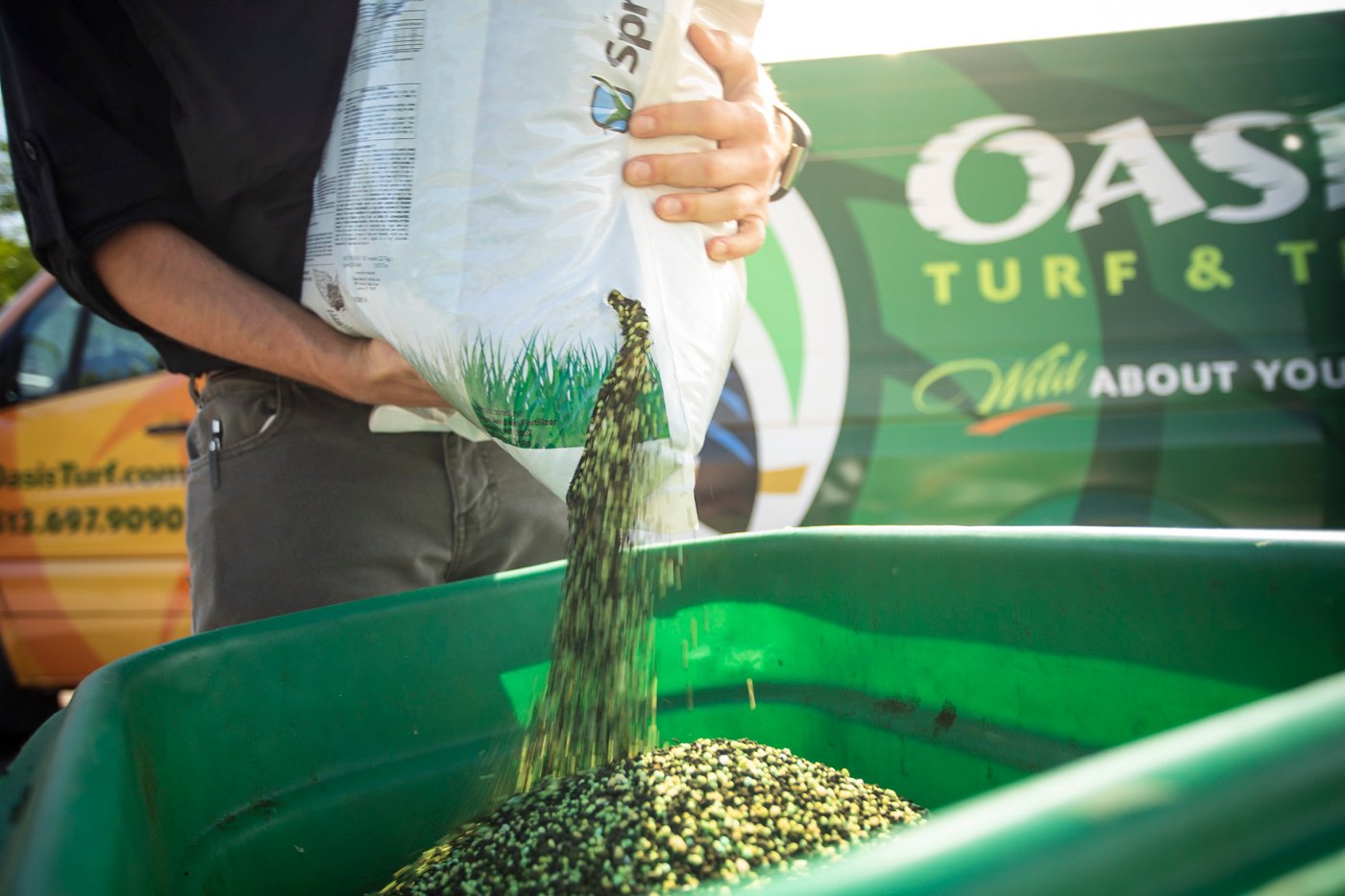
Think of fertilizer as a vitamin for your lawn. Vitamins are important for maintaining your health, but they don't instantly solve every problem overnight. Instead, they support your body and help you become healthier over time. Fertilizers work the same way. Fertilizer gives your grass the nutrients it needs to grow stronger and healthier, but lasting improvement happens gradually. When applied consistently as part of a lawn care program, fertilizer helps create the conditions for a greener, thicker, and overall healthier lawn.
Lawn improvement and grass growth are dependent on several factors:
Existing Lawn Condition
The current state of your lawn plays a major role in how quickly results appear. A lawn with only a few weeds and minor thinning will typically improve faster than a lawn struggling with extensive weeds and bare spots. The more issues that need to be corrected, the longer the improvement process may take.
Root Development
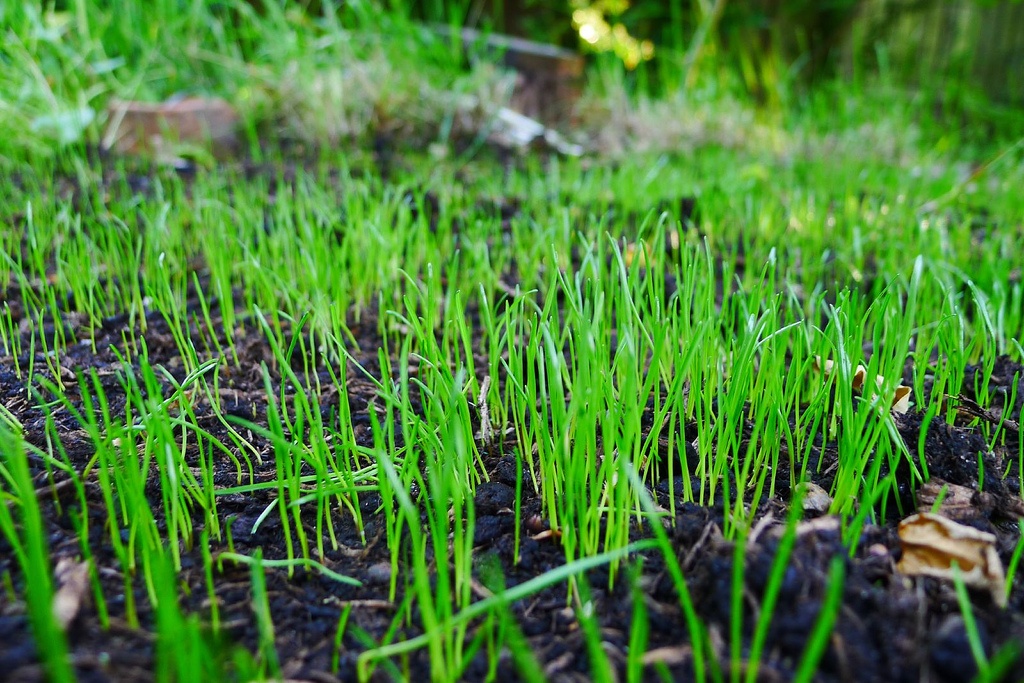
Healthy grass starts below the surface. While homeowners often focus on what they can see above ground, much of the improvement from lawn treatments happens underground first. As roots grow deeper and stronger, grass becomes better equipped to absorb water and nutrients, leading to a thicker, healthier lawn over time.
Soil Health
Think of soil as the foundation of your lawn. If the soil lacks nutrients or struggles to retain water, grass may have difficulty growing to its full potential. Improving soil health takes time, but it creates the conditions needed for healthier turf and longer-lasting results. Because many Ohio soils contain a high percentage of clay, improving soil structure can be a gradual process, often requiring multiple seasons of consistent care before significant improvements are visible.
Typical Timeline: What You May Notice
Most homeowners begin noticing the first signs of improvement within 7–14 days after their initial treatment, such as weeds wilting and dying off. However, the exact timeline can vary depending on:
- When you begin your lawn care program
- The current condition of your lawn
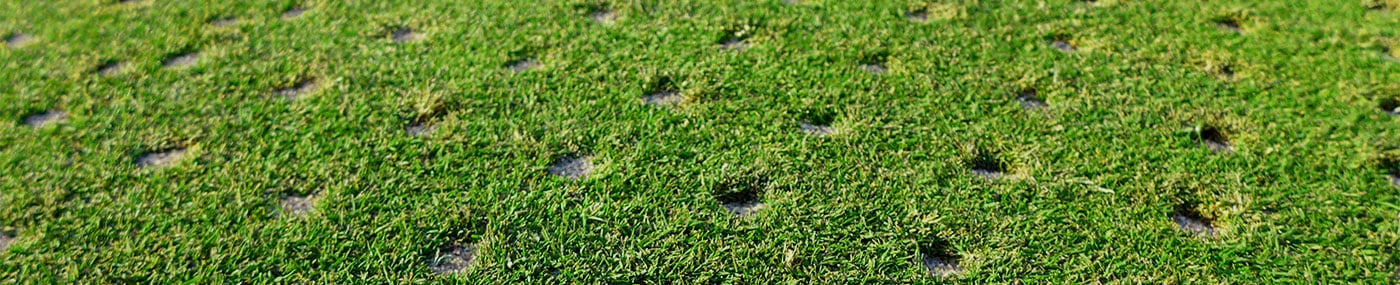
- What additional services your program provides (such as Aeration & Overseeding)
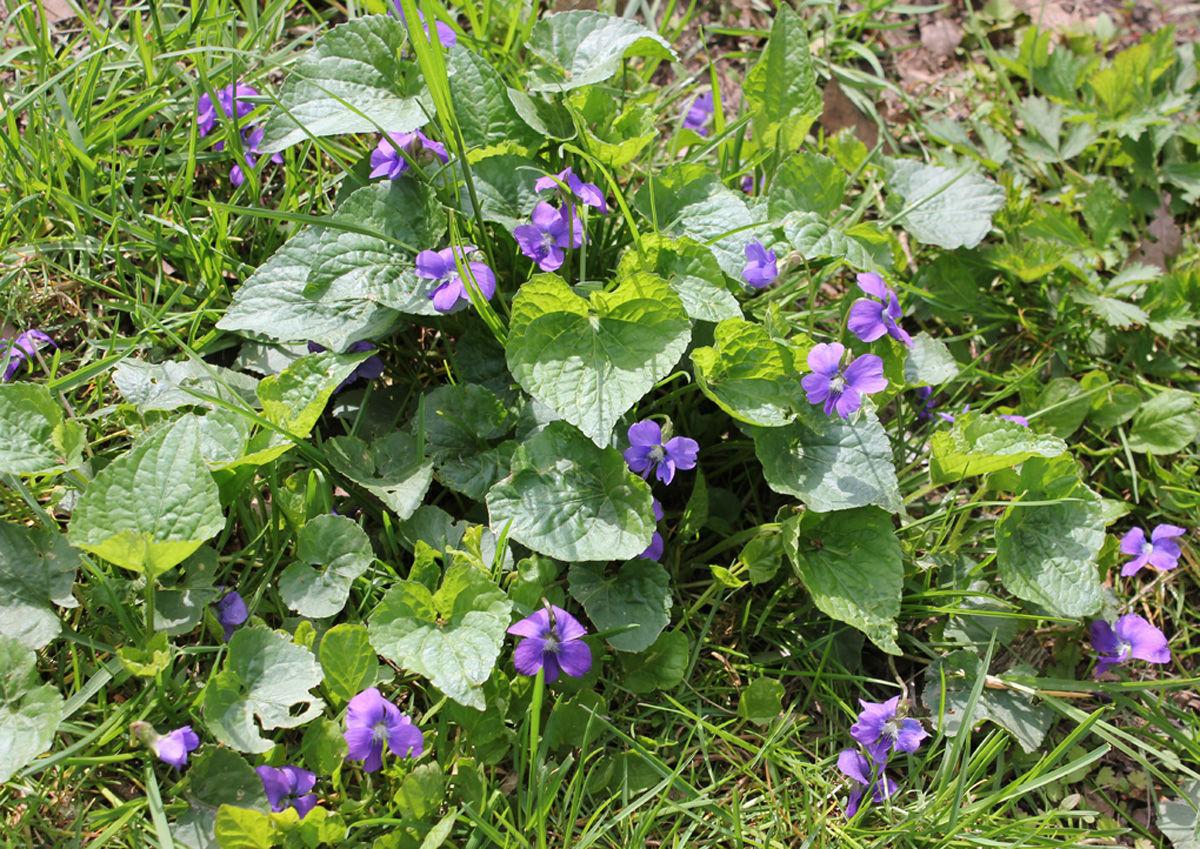
Seasonal conditions also play a major role in how quickly results become visible. In the spring, lawns typically experience the most growth as warmer temperatures and increased rainfall create ideal growing conditions. During the summer, heat and drought stress can impact your lawn's appearance, even when it is receiving proper care, and your lawn may experience difficult-to-control weeds during this time, such as:
- Wild Violet
- Ground Ivy
As temperatures cool in the fall, many lawns begin to recover, resulting in improved color and growth.
One important thing to remember is that lawn improvement isn't always a straight line. In some cases, your lawn may appear to look worse before it looks better, and that's completely normal.
As weeds are removed, they create opportunities for turfgrass to fill in those areas over time. The temporary decline in appearance could be part of the process of transitioning from a weed-filled lawn to a healthier, thicker turf.
As your treatment program continues, weed populations should gradually decrease while overall lawn health continues to improve. Each application builds upon the previous one, helping create a healthier, more resilient lawn throughout the year.
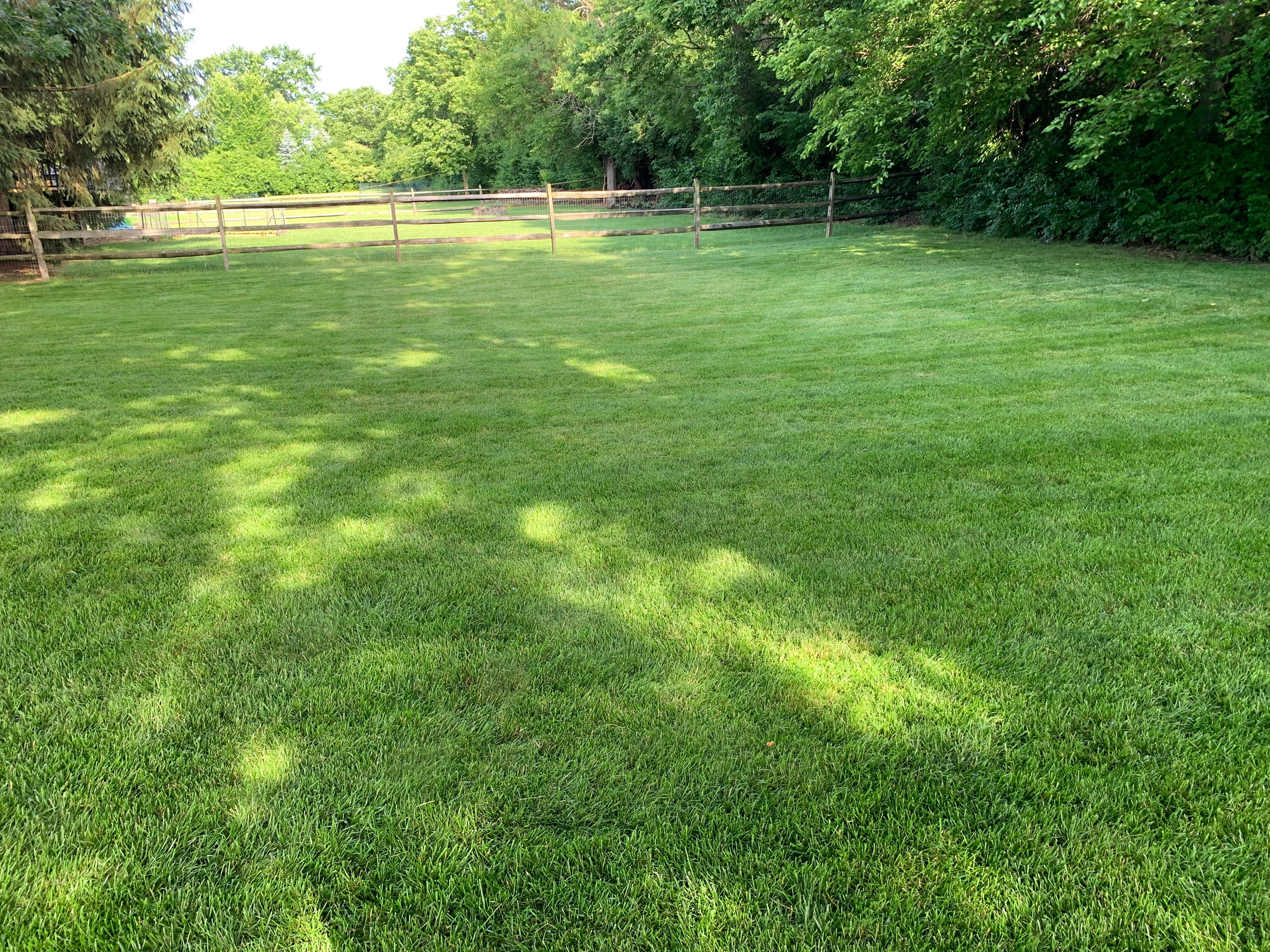
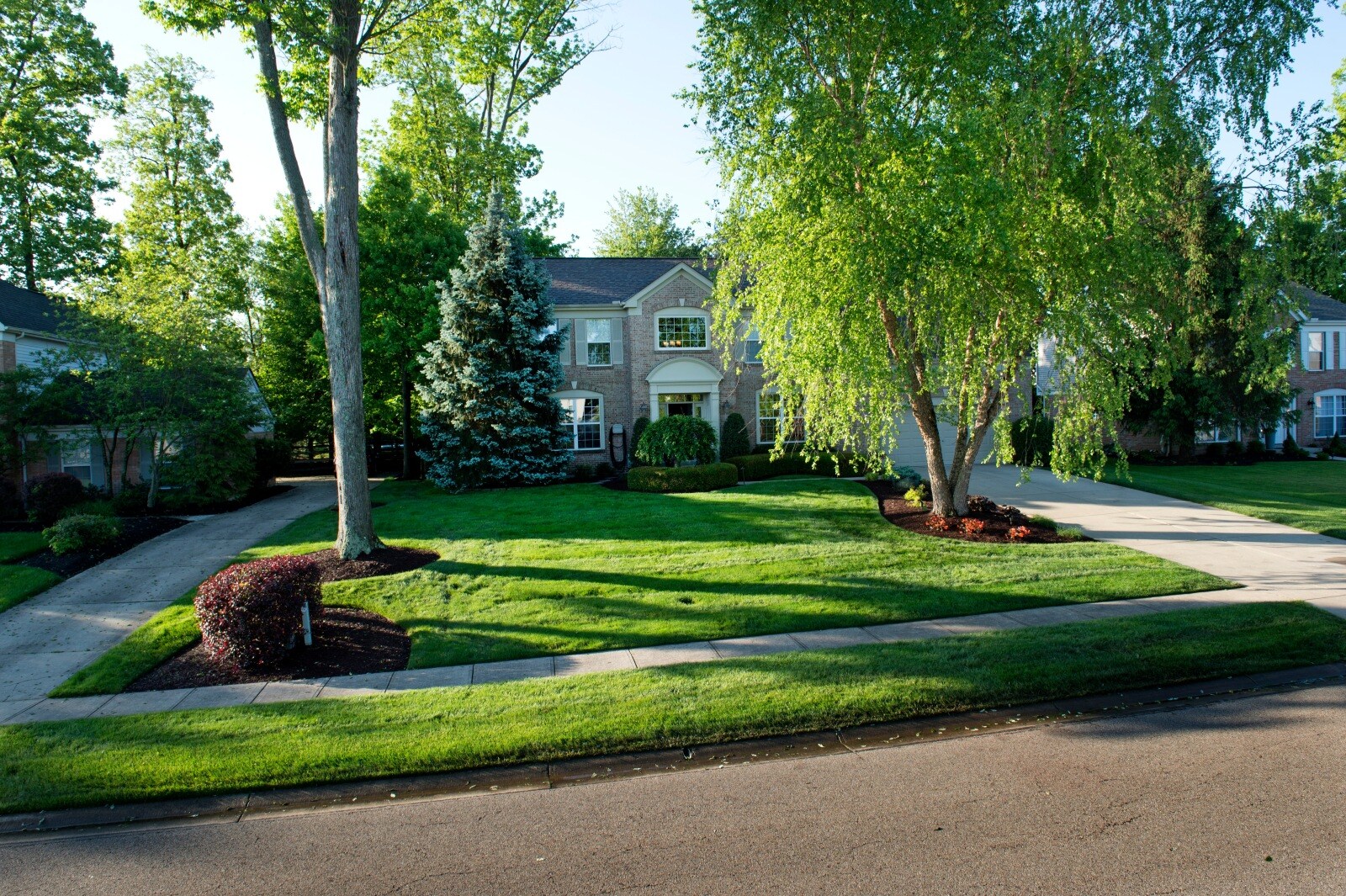
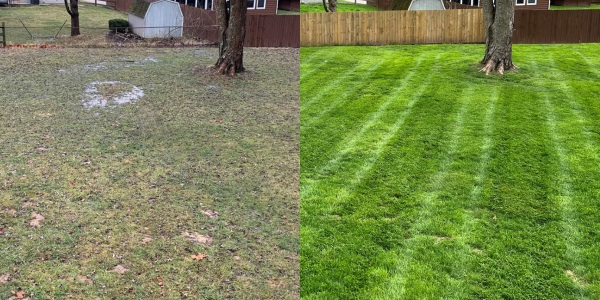
The best way to demonstrate what's possible is through real results. Below is a before-and-after photo from a recent customer who completed a season of treatments with Oasis Turf & Tree.
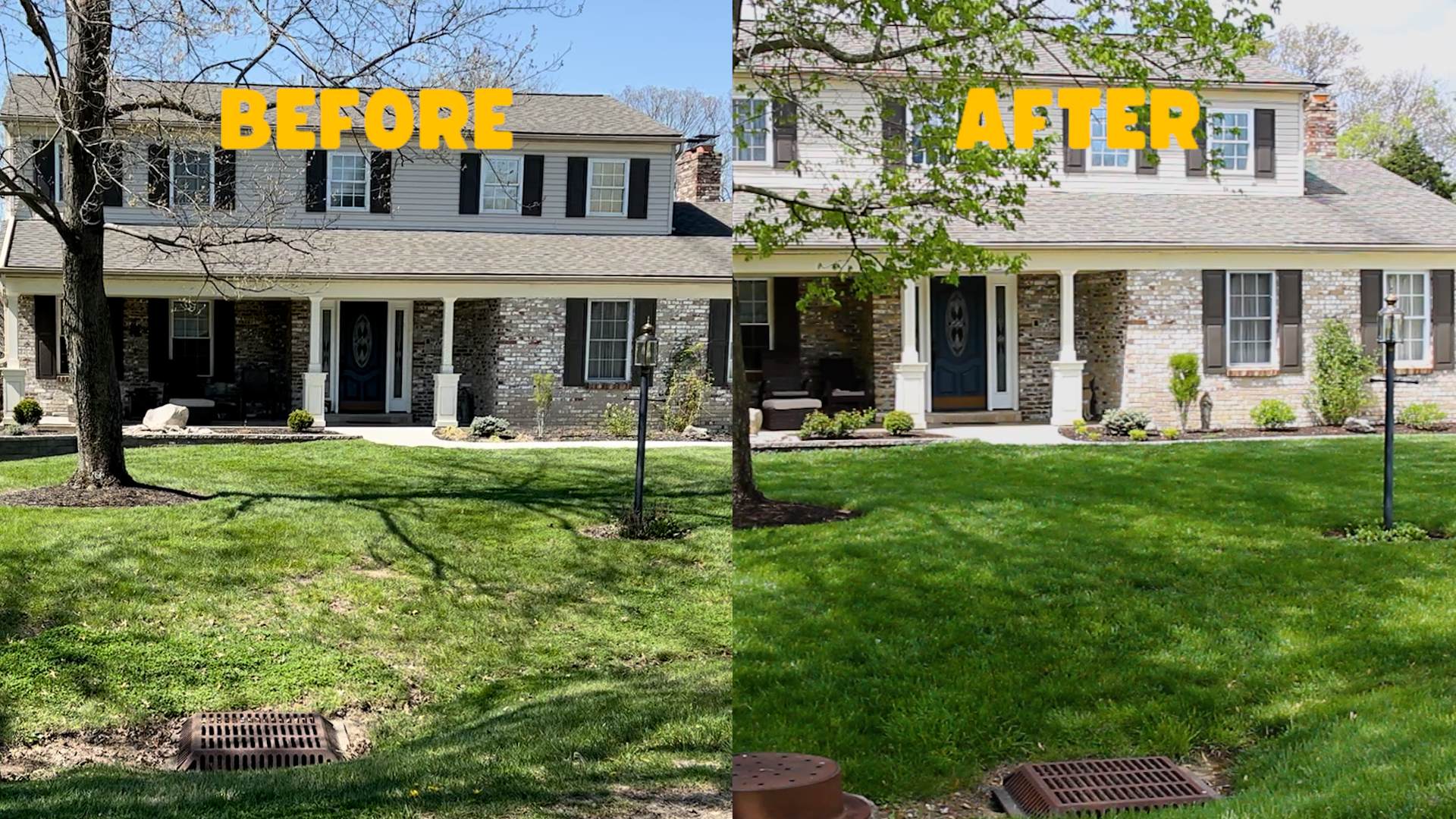
For a more in-depth understanding of your lawn’s progress while working with Oasis Turf & Tree, check out our article, “What Results and Impact Can I Expect During the First Year with Oasis Turf & Tree?”
Factors That Affect How Quickly You See Results
While professional lawn treatments provide your grass with the nutrients and protection it needs to thrive, Mother Nature still has a significant influence on the results. Because grass is a living plant, its growth and health is heavily affected by environmental conditions.
Some of the biggest factors that can affect your lawn's timeline for improvement include:
Rainfall
Water is essential for healthy grass growth, but the amount of rainfall your lawn receives can significantly impact how quickly you see results. Dry conditions can limit growth, while extended periods of rain can influence how nutrients move through the soil and how effectively some treatments work. Ideally, plants need about 1 inch of water per week to grow healthily. When rainfall doesn’t provide enough, supplemental watering or irrigation is needed to make up the difference.
Temperature
Grass growth is closely tied to temperature. When temperatures are within the ideal range for your grass type, your lawn can actively grow and respond to treatments more quickly. However, extreme heat, cold, or drought can slow growth and delay visible improvements. At Oasis, we avoid applying weed control treatments when air temperatures exceed 85°F for cool-season products or 90°F for warm-season products. We also avoid applications when soil temperatures fall below 50°F, as temperatures of at least 55°F are needed for products to work effectively.
Time of Year
Lawns naturally go through periods of active growth and slower growth throughout the year. For grasses found in Ohio and Northern Kentucky, the most noticeable improvements occur during the spring and fall when growing conditions are most favorable. During summer stress periods, progress may be slower even when treatments are working as intended. Time of year can also affect both the types of weeds present in your lawn and the control methods available for them.
Grass Type
Different grass types grow at different rates and respond differently to environmental conditions. Some grasses naturally recover from stress more quickly, while others take longer to fill in thin areas or show visible improvements. The type of grass in your lawn plays a major role in determining how quickly treatment results become noticeable.
Some grasses that are quick to recover are:
- Tall fescue
- Perennial Ryegrass
- Kentucky Bluegrass
What Homeowners Can Do
While some factors are outside of your control, homeowners also play an important role in the overall health and success of their lawn. Some of the actions that can significantly impact lawn health include:
Watering Practices
Proper watering is one of the most important responsibilities homeowners have when it comes to maintaining a healthy lawn. Grass needs consistent moisture to develop strong roots, absorb nutrients, and recover from stress. Underwatering can cause grass to become thin, discolored, and more susceptible to weeds, while overwatering can lead to disease and wasted nutrients. Providing the right amount of water at the right times helps maximize the effectiveness of your lawn care program.
Mowing Practices
How you mow your lawn can have a significant impact on its overall health and appearance. Cutting grass too short can cause stress and create opportunities for weeds to invade. Maintaining a proper mowing height helps the lawn grow thicker and healthier. Regular mowing with sharp mower blades also helps reduce stress and increases lawn health.
What Fertilizer Can and Can’t Do
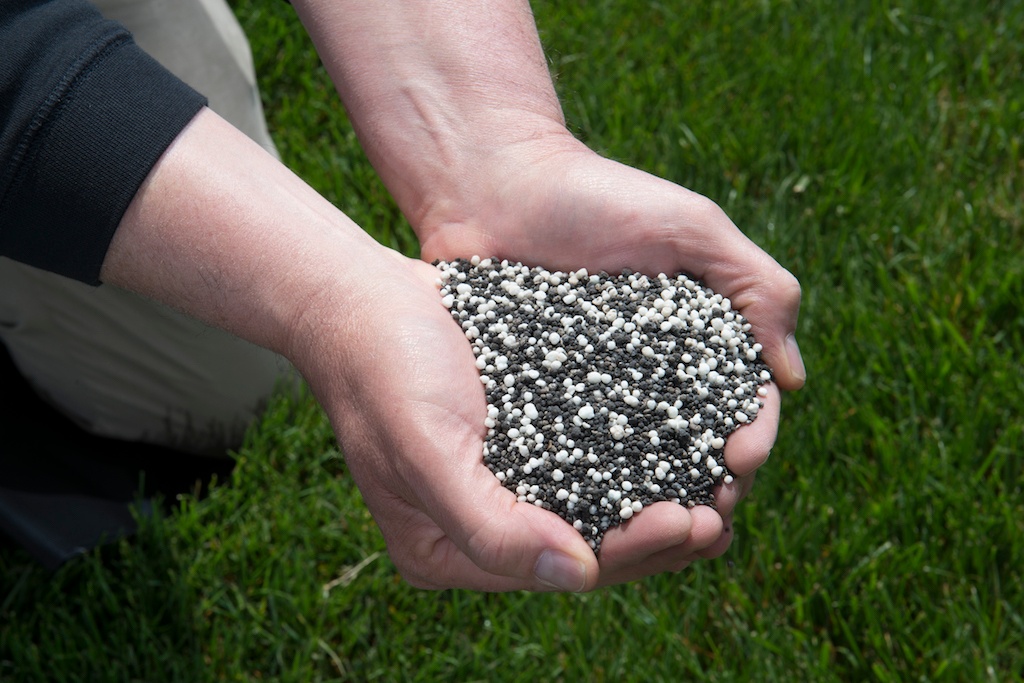
As mentioned earlier, fertilizer is a supplement for your lawn rather than a cure-all solution. While it plays an important role in supporting healthy grass growth and improving overall lawn health, it cannot instantly fix existing damage or deliver immediate results.
Fertilizer Can:
- Encourage healthy growth
- Support stronger roots
- Increase density over time
- Improve color
Fertilizer Can’t:
- Instantly repair major damage
- Overcome severe drought
- Fix underlying soil issues on its own
Ready to Transform Your Lawn?
If you want to monitor how your lawn is responding to treatments, here are a few simple ways to tell whether your lawn care program is working as intended:
- Richer color
- More uniform growth
- Thicker turf
- Fewer bare patches
If you’re ready to see your lawn transform over time and want to learn more about our services, fill out a quick form on our website to get a quote or give us a call at (513) 697-9090.
Want to learn more about pricing for our services? Browse our blog for detailed cost guides and helpful resources.
Frequently Asked Questions
How often should I mow my lawn?
At Oasis Turf & Tree, we recommend mowing your lawn every 7 days during the growing season.
How often should I fertilize my lawn?
At Oasis Turf & Tree, we recommend fertilizing your lawn 6 times a year to achieve optimal results.
What is the best grass type for my area?
The best grass type for your area depends on your region. For the Cincinnati, Dayton, and Northern Kentucky areas, cool-season grasses like tall fescue are recommended.
When is the best time to aerate my lawn?
Fall is typically best for cool-season grasses, but spring can also help depending on lawn conditions.
What does overseeding do?
Overseeding helps fill in thin areas, improve density, and crowd out weeds.
David Lee
August 27th, 2026
.jpg?width=2048&height=1365&name=NALP_Gayle_Lawn_Pictures%20(34).jpg)
.jpg?width=2048&height=1365&name=NALP_Gayle_Lawn_Pictures%20(34).jpg)
.jpg?width=2048&height=1366&name=NALP_Gayle_Lawn_Pictures%20(9).jpg)