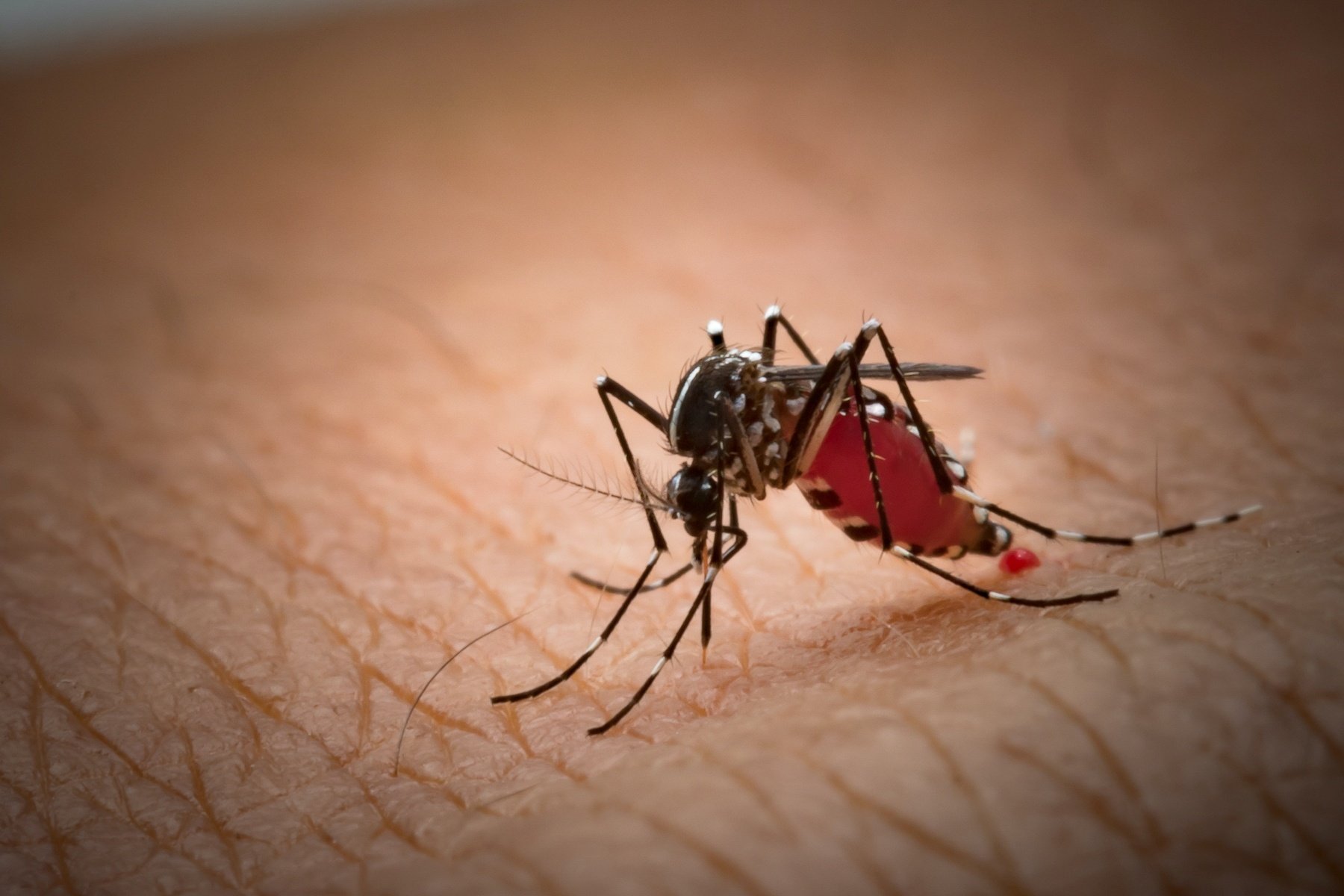


Mosquitoes infiltrating your outdoor experience can quickly turn cool summer nights by the fire into a night spent on the couch. We know how frustrating it is to feel like mosquitoes are taking over your outdoor space. A couple of mosquitoes can quickly turn into dozens, and one pesky mosquito can soon become several itchy welts across your legs and arms.
Mosquitoes don't gather in large numbers just for fun. They stick around because your property provides the conditions they need to survive. Mosquitoes are attracted to standing water and warm, humid environments, making these areas ideal places to live and breed.
Unfortunately, they aren’t just annoying pests; they can also pose health risks by carrying and transmitting diseases such as West Nile virus, Zika virus, Malaria, and Dengue fever. Taking steps to control mosquito populations not only helps make your outdoor space more enjoyable, but it helps protect yourself, your pets, and your visitors.
The best way to mitigate your mosquito problem is to find the source. No matter how many sprays, candles, or zappers you use, mosquitoes will continue to come back if the conditions they need are still present.
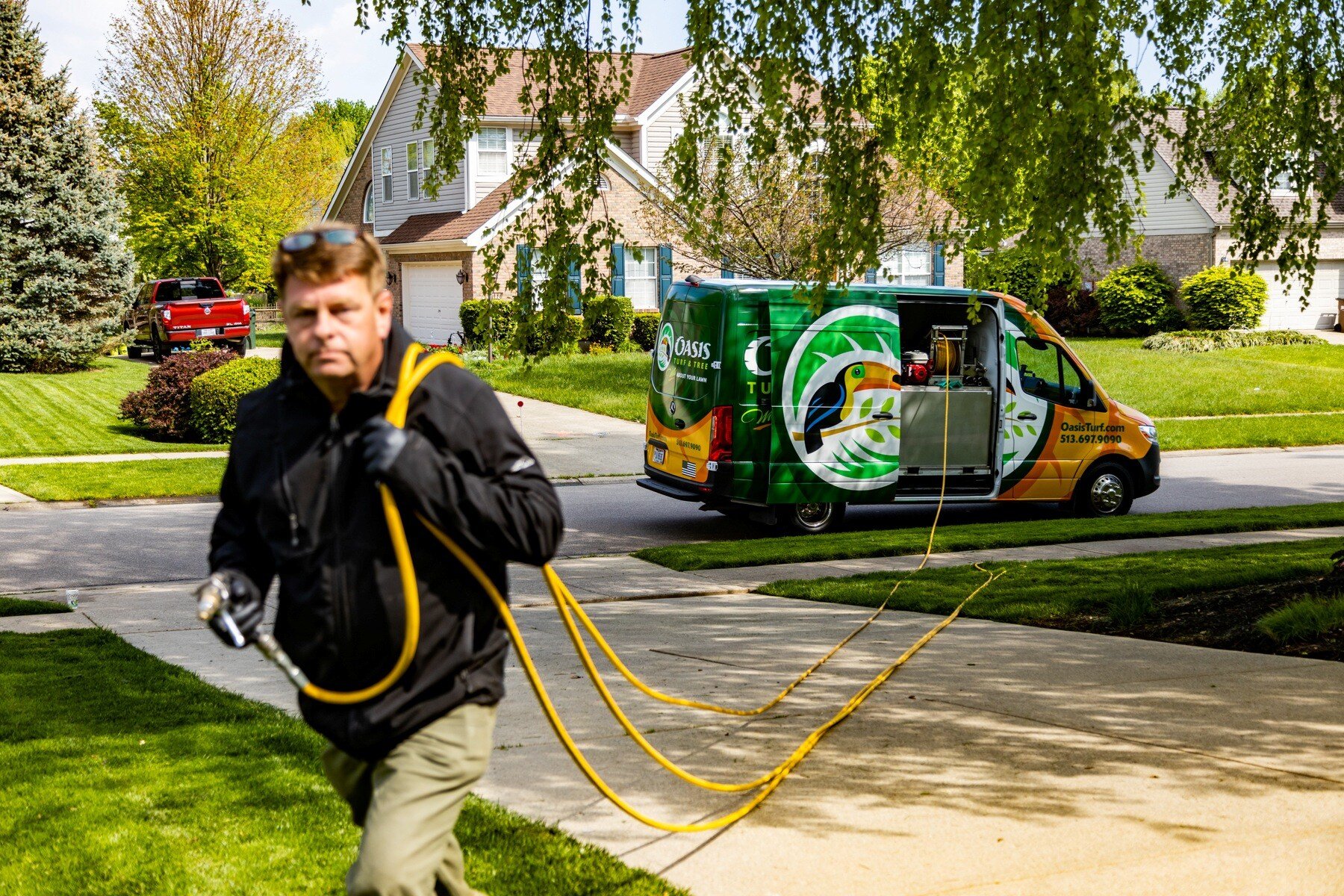
At Oasis Turf & Tree, we've helped homeowners reclaim their yards for more than 30 years with Mosquito Control treatments that target mosquitoes at the source and reduce populations by up to 90%.
In this article, we'll explain:
- How to identify and eliminate mosquito breeding grounds around your home
- How to help prevent mosquitoes from coming back
- The risks associated with mosquito-borne diseases
- DIY remedies that may provide relief
- What to do when those DIY solutions stop working
|
Quick Answer: To get rid of mosquitoes, eliminate standing water where they live and breed, and use DIY solutions like OFF! Backyard Mosquito Control & Outdoor Spray, Mosquito Magnet Traps, or natural repellents such as citronella candles, lemongrass, and basil. While these methods can help keep mosquito populations at bay, they're most effective when paired with professional Mosquito Control treatments that target easy-to-miss hiding and breeding areas. |
In this article:
- How to Find and Eliminate Breeding Grounds
- DIY Options That Help Eliminate Active Mosquito Populations
- Natural Methods to Eliminate Mosquito Populations
- How to Prevent Mosquitoes From Coming Back
- What to Do When DIY Stops Working
- Take Back Your Lawn From Mosquitoes
- Frequently Asked Questions
How to Find and Eliminate Breeding Grounds
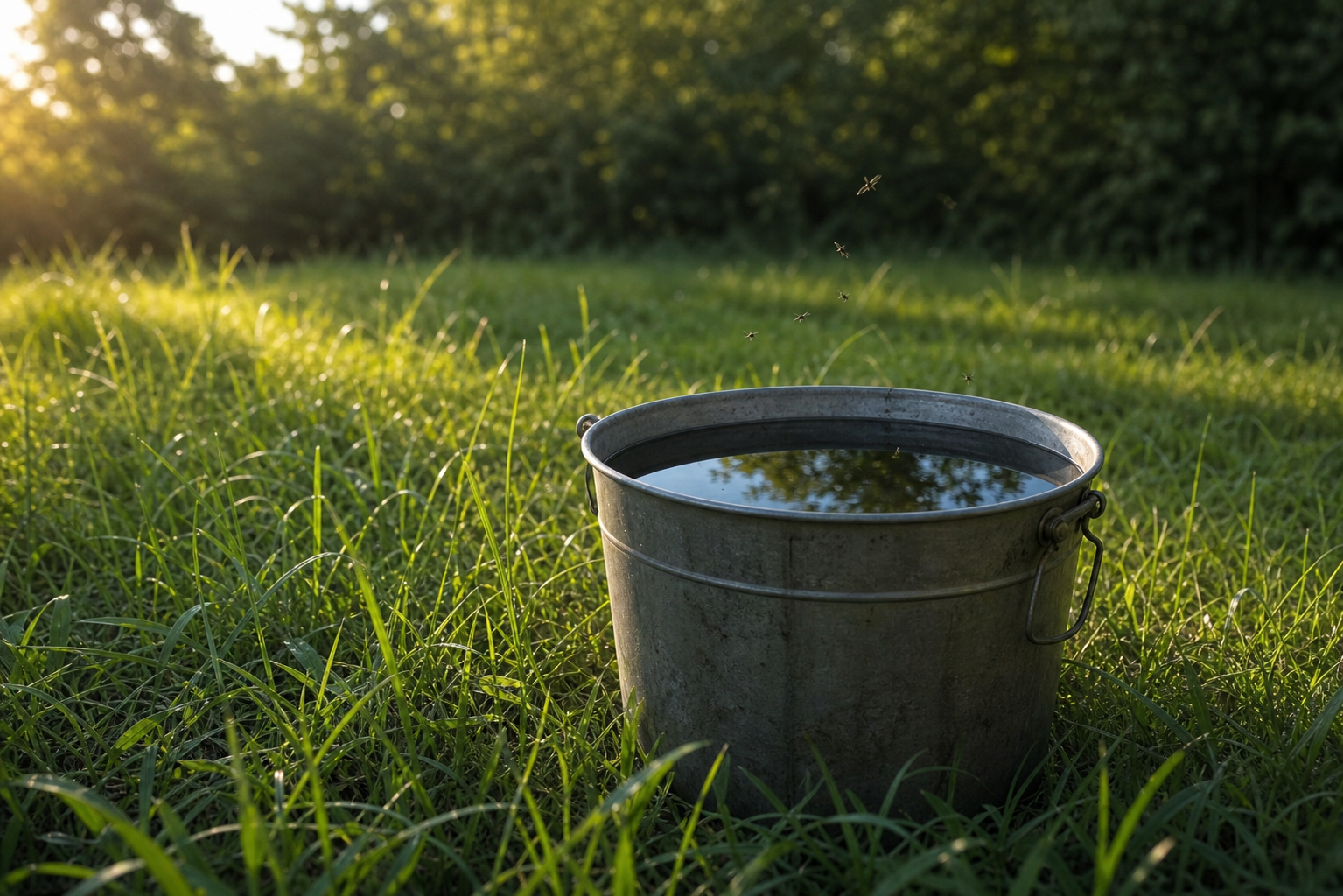
Mosquitoes lay their eggs in standing water, and it doesn't take much water for them to do it. Even small amounts of water can provide a breeding ground for mosquito larvae, often before homeowners even realize it's there.
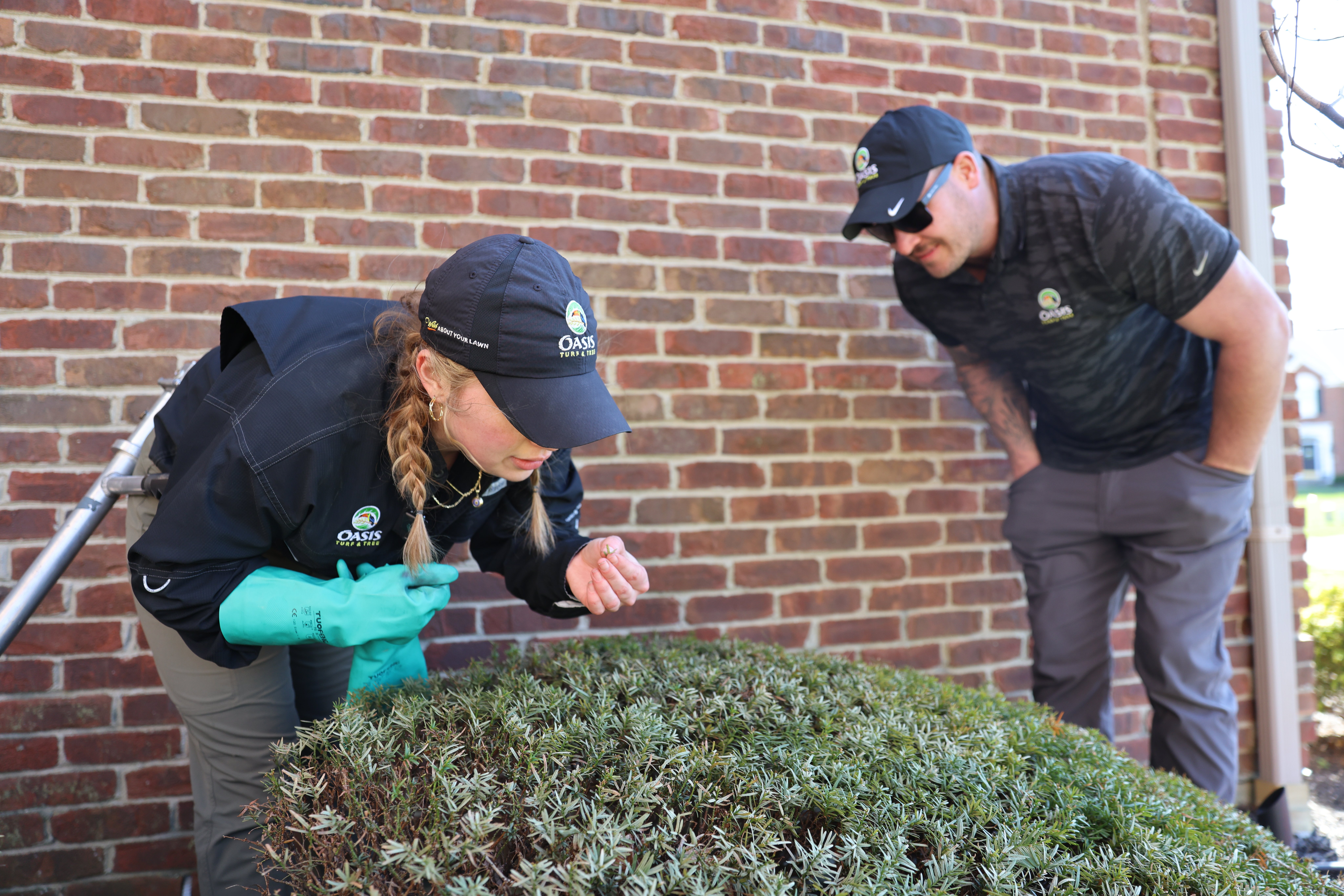
For example, during a service visit in Cincinnati, an Oasis Turf & Tree technician arrived at a property and identified several sources of standing water that could serve as mosquito breeding grounds. Water had collected in a children's water table, wheelbarrows, and buckets throughout the yard. The technician emptied these areas to help eliminate potential breeding sites and then recommended our Mosquito Control Program to reduce existing mosquito activity and help prevent future populations from developing on the property.
After implementing best cultural practices to reduce breeding grounds, the amount of mosquito larvae found on the property decreased.
Be sure to keep an eye on these common sources of standing water around your property:
- Birdbaths
- Clogged Gutters
- Buckets, toys or plant saucers
- Swimming pool covers
- Trashcans
- Children's toys
- Flower pots
- Drainage ditches
When you find sources of standing water on your property, it's important to eliminate them immediately. If mosquito breeding isn't stopped at the source, any relief you experience may only be temporary. Even if your property is treated, mosquito larvae can continue to develop in standing water because mosquito control treatments cannot be applied directly to these breeding sites.
DIY Options That Help Eliminate Active Mosquito Populations
Once you've eliminated mosquito breeding sites, the next step is targeting the adult mosquitoes already active around your property. These are the mosquitoes responsible for the bites, itching, and overall nuisance that can make spending time outdoors unpleasant.
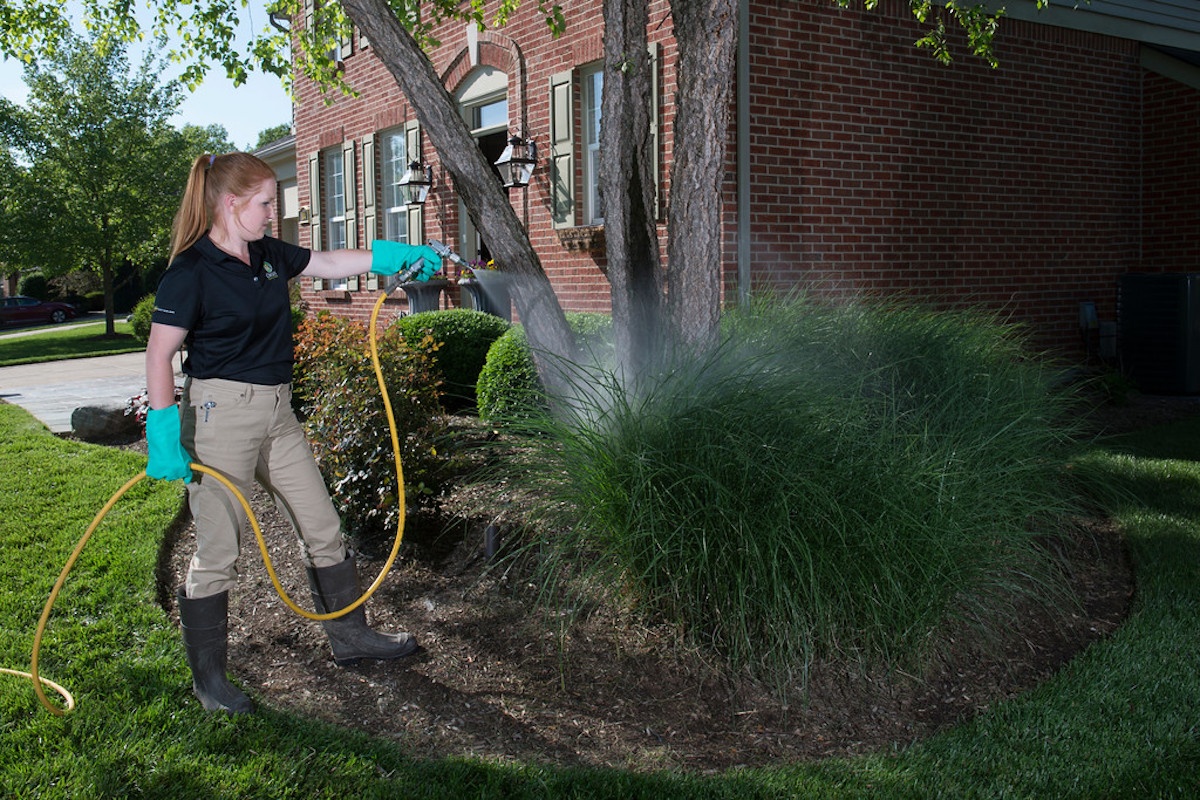
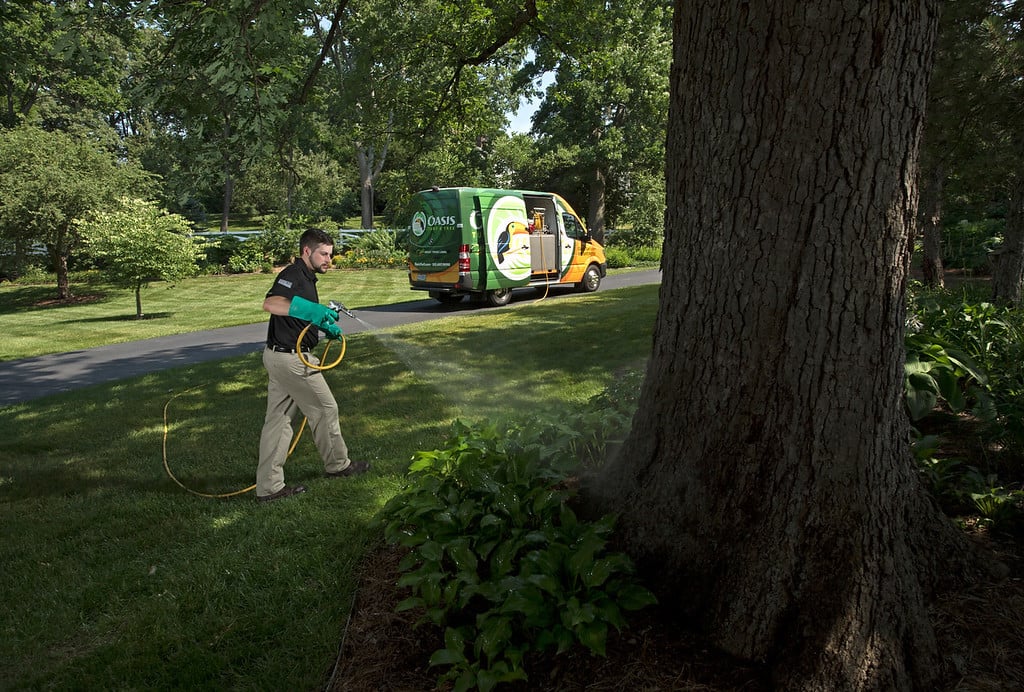
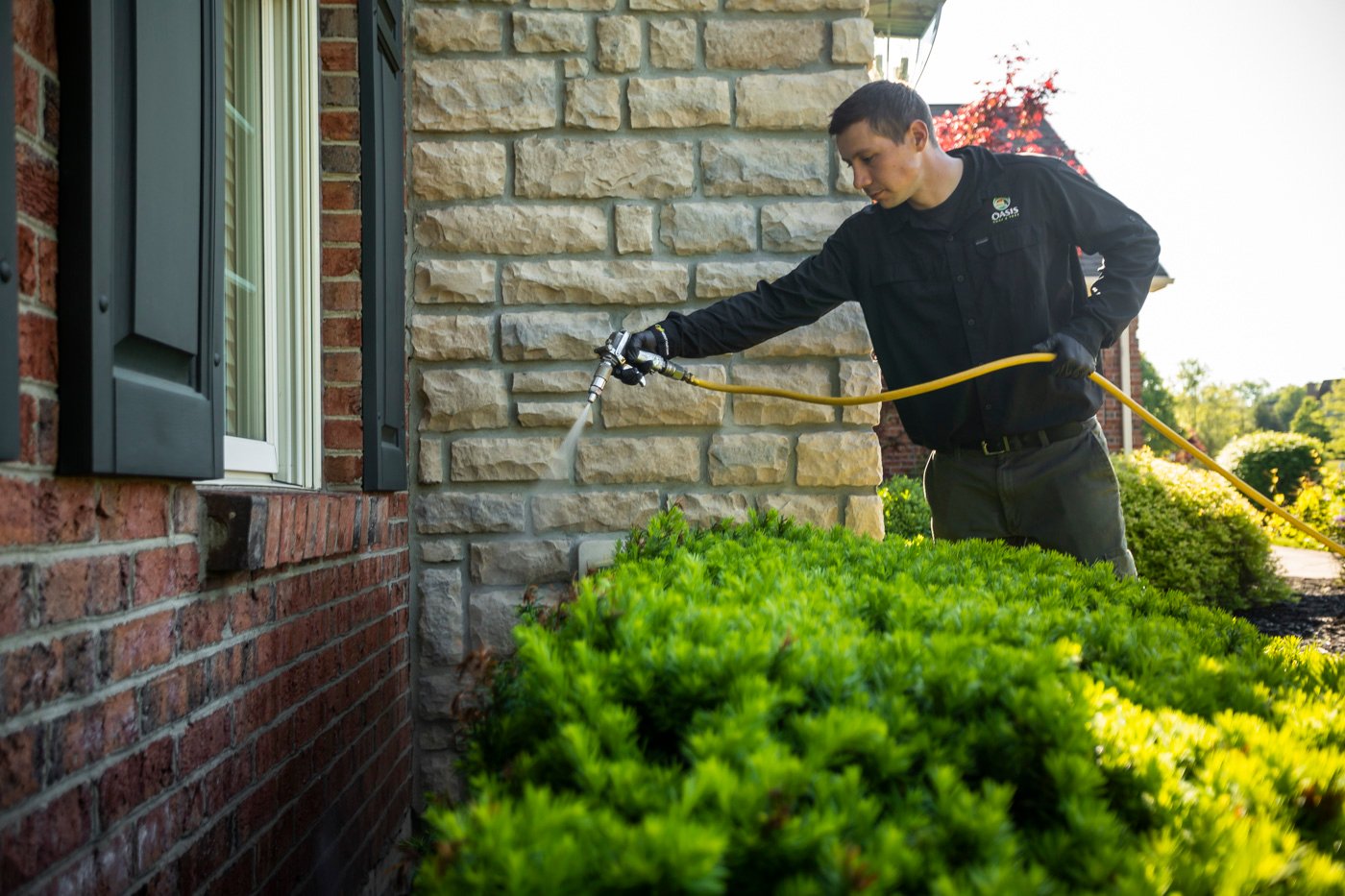
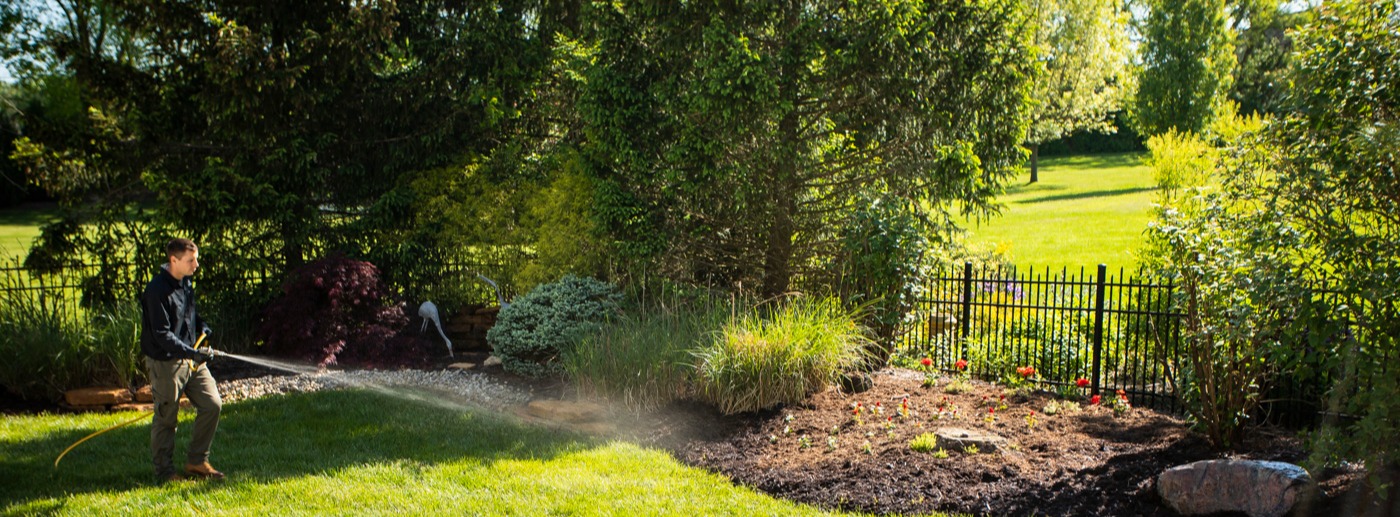
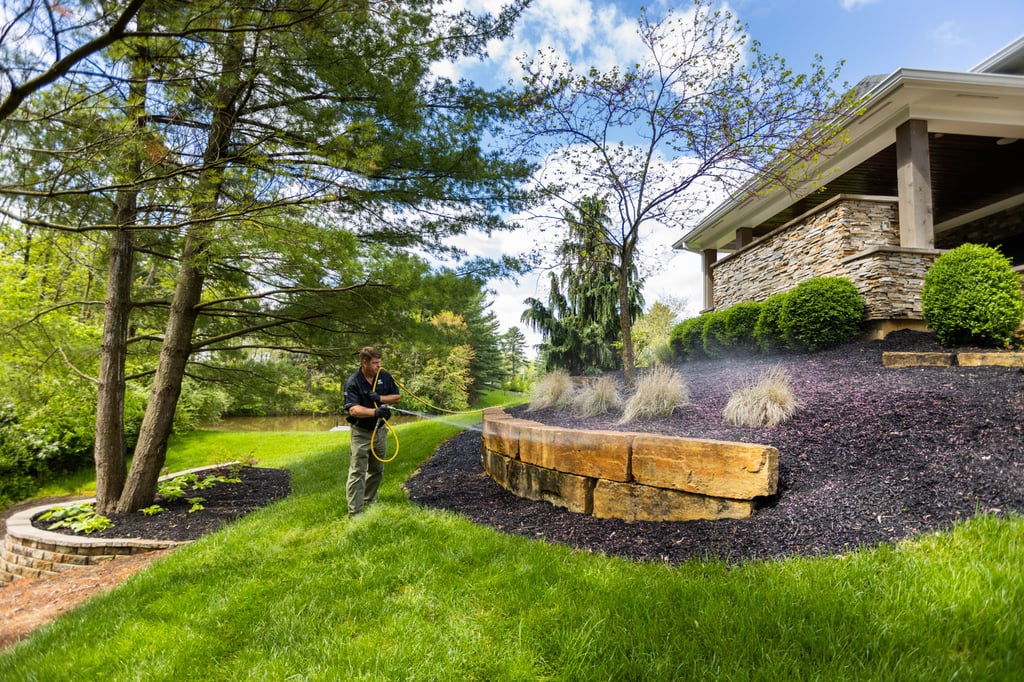
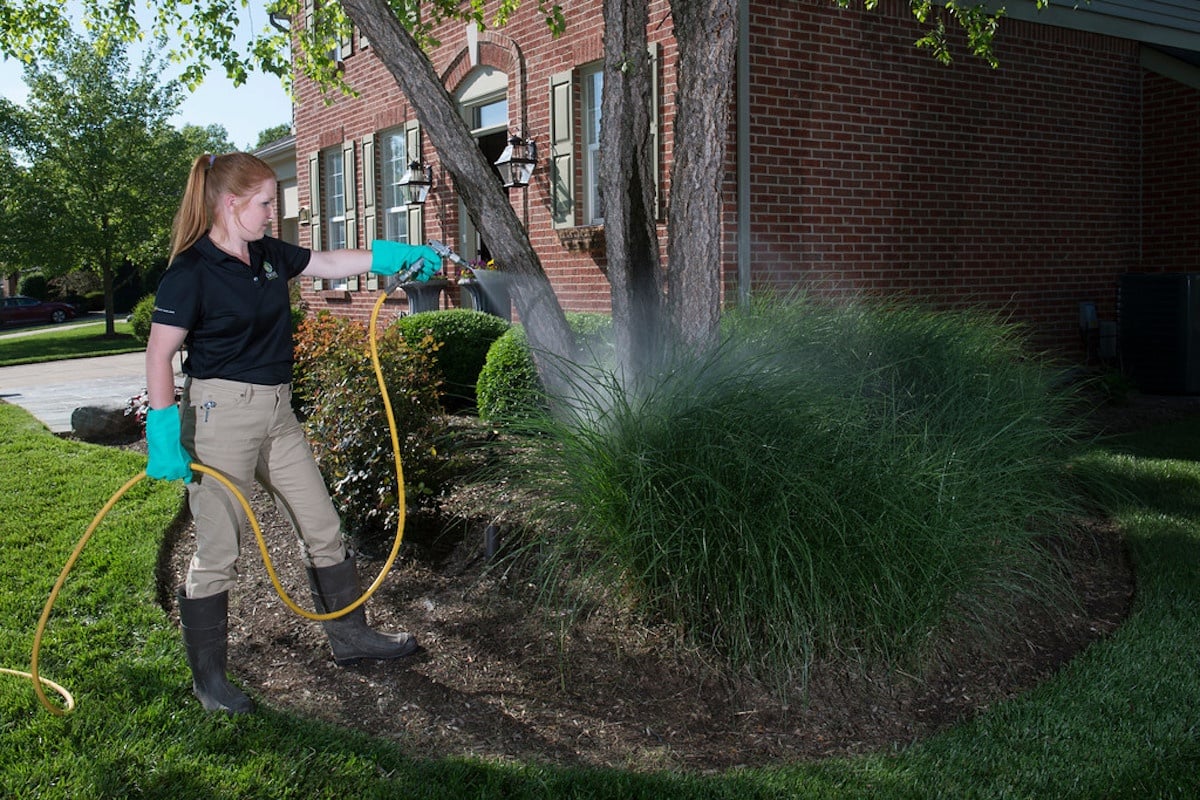
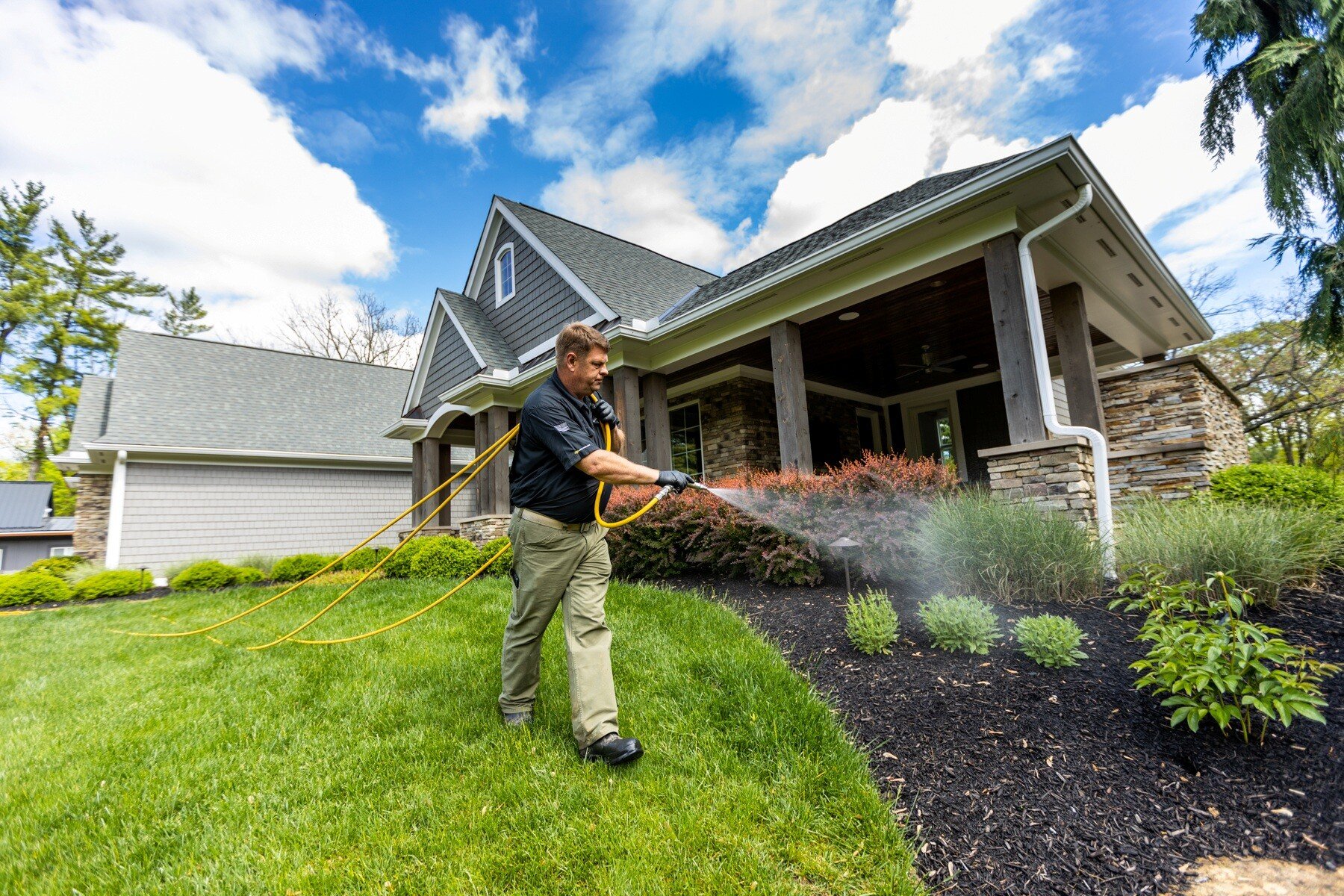
Commonly, mosquito control treatments are applied to outdoor surfaces where mosquitoes commonly rest. Since mosquitoes can't stay in flight for extended periods and must frequently land on vegetation, shrubs, and other surfaces, treatments work by targeting them when they stop to rest. Combined with eliminating standing water, this approach helps reduce mosquito populations and provide longer-lasting results.
Effective options to help eliminate active mosquito populations are:
Outdoor Sprays
Outdoor mosquito sprays can help create a protective barrier around your home and the surrounding vegetation where mosquitoes commonly rest and hide. When applied correctly, these products can help reduce mosquito activity and provide temporary relief from biting pests. For the best results, carefully read the product label and follow the application instructions.
Some outdoor mosquito sprays that homeowners commonly use include:
- Summit Mosquito and Ant Barrier Spray Concentrate
- Ortho Home Defense Insect Killer Liquid Concentrate
- OFF! Backyard Mosquito Control Outdoor Spray
Mosquito Traps
Mosquito traps attract and capture mosquitoes by using scents that mimic the things mosquitoes naturally seek out, such as humans and animals. Depending on the type of trap, these cues may include carbon dioxide, heat, moisture, or scent attractants that imitate human breath or body odors.
Once mosquitoes are drawn to the trap, they are either captured in a collection chamber, stuck to an adhesive surface, or exposed to a treatment that prevents them from escaping. At Oasis Turf & Tree, we generally do not recommend mosquito traps. While they can capture mosquitoes, they also attract mosquitoes from surrounding areas. In some cases, this can actually increase mosquito activity on your property and make the problem worse rather than better.
For the best results, place traps in areas mosquitoes commonly gather, such as shaded, damp locations with thick vegetation. Setting traps near wooded areas or along the perimeter of your yard, away from high-traffic spaces, can help attract mosquitoes away from where you spend time outdoors.
Popular mosquito trap options include:
- Mosquito Magnet traps
- DynaTrap insect traps
- Biogents mosquito traps
Natural Methods to Eliminate Mosquito Populations

Several natural remedies can help reduce active mosquito populations and support your overall control efforts. However, it's important to remember that these methods are best used as supplemental solutions and are unlikely to eliminate an infestation on their own.
Some common options include:
Citronella Candles
Citronella candles release a scent that can help mask the odors mosquitoes use to locate people. When used in outdoor seating areas, patios, and decks, they may help reduce mosquito activity in the immediate vicinity. However, their effectiveness is generally limited to small areas.
Essential Oil Sprays (lemongrass, eucalyptus, lavender)
Essential oil sprays can act as natural mosquito repellents by emitting scents that mosquitoes find unpleasant. When applied around outdoor living spaces or on clothing, they can help discourage mosquitoes from setting up shop nearby. Since these sprays break down quickly outdoors, frequent reapplication is often necessary.
Mosquito-repelling Plants (basil, mint, marigolds)
Certain plants such as basil, mint, and marigolds are believed to help deter mosquitoes due to the natural oils and scents they produce. These plants may be incorporated into gardens, patios, and landscape beds to complement mosquito prevention efforts. While these plants alone won't eliminate mosquitoes, they can be a helpful addition to mosquito control efforts.
How to Prevent Mosquitoes From Coming Back
Once you've reduced the mosquito population around your property, you want to take preventative steps to make sure they don’t return.
Some preventative steps you can take to help keep mosquitoes away include:
- Trim tall grass and shrubs
Mosquitoes often rest in cool, shaded areas during the day. Keeping your grass mowed and shrubs trimmed reduces the places where mosquitoes can rest and breed.
- Keep gutters clean
Clogged and dirty gutters can trap water and create ideal mosquito breeding sites. Regularly cleaning your gutters helps ensure water flows away from your home instead of collecting and becoming a mosquito magnet.
- Avoid leaving containers outside that collect water
Items such as buckets, flower pots, toys, and wheelbarrows can collect standing water, creating the perfect environment for mosquitoes to lay eggs and reproduce. Regularly emptying or covering these items can help reduce potential breeding sites around your property.
- Repair drainage issues in your yard
Areas that remain wet for long periods after rainfall can attract mosquitoes. Improving drainage in your lawn can help prevent standing water from forming.
What to Do When DIY Stops Working
If you’re still seeing a large number of active mosquitoes after you’ve:
- Removed standing water
- Used sprays and traps
- Tried natural repellents
There may be a larger infestation present or breeding areas nearby that are outside of your control.
In these situations, professional mosquito control treatments may be necessary to reduce mosquito populations and provide more effective, long-term relief from the problem.
Take Back Your Lawn From Mosquitoes
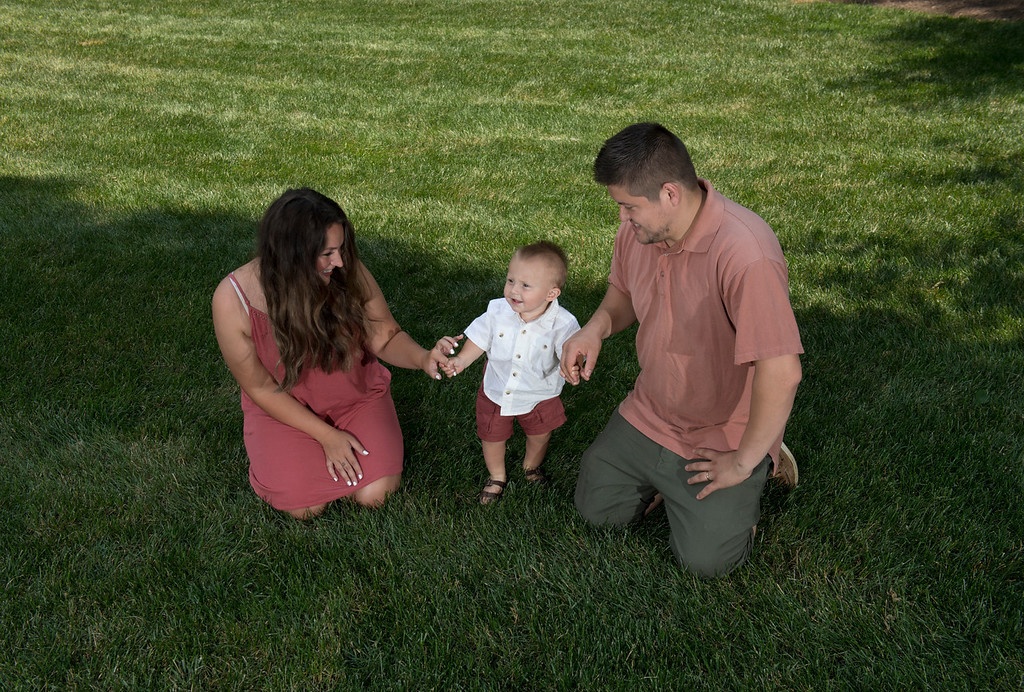
Reducing mosquito populations takes more than a single product or quick fix. The most effective approach combines targeted mosquito treatments with proactive steps to eliminate the standing water and other conditions that attract mosquitoes in the first place. If the factors drawing them to your property remain, mosquitoes will continue to return.
That’s why we believe mosquito control works best as a team. At Oasis Turf & Tree, we take pride in educating homeowners and providing practical recommendations that help create a less appealing environment for pests to thrive.
When our recommended practices are paired with our Mosquito Control program, which starts at $87.50 per treatment, active mosquito populations can be reduced by up to 90%.
If you believe your property would benefit from these services and you would like a personalized recommendation, get a free quote by filling out a quick form on our website.
Frequently Asked Questions
When are mosquitoes most active?
Mosquitoes are typically most active at dawn and dusk, but some species can bite throughout the day in shaded or humid areas.
When is the best time to invest in Mosquito Control treatments?
The best time to invest in mosquito control treatments is before mosquito populations peak, or as soon as there is a noticeable problem.
What should I do before a Mosquito Control treatment?
It’s helpful to remove toys and ensure pets are indoors during application.
What time of year is peak mosquito season?
Mosquito season typically runs from spring through early fall, depending on temperature and rainfall.
July 30th, 2026
Andrew Titkemeyer