
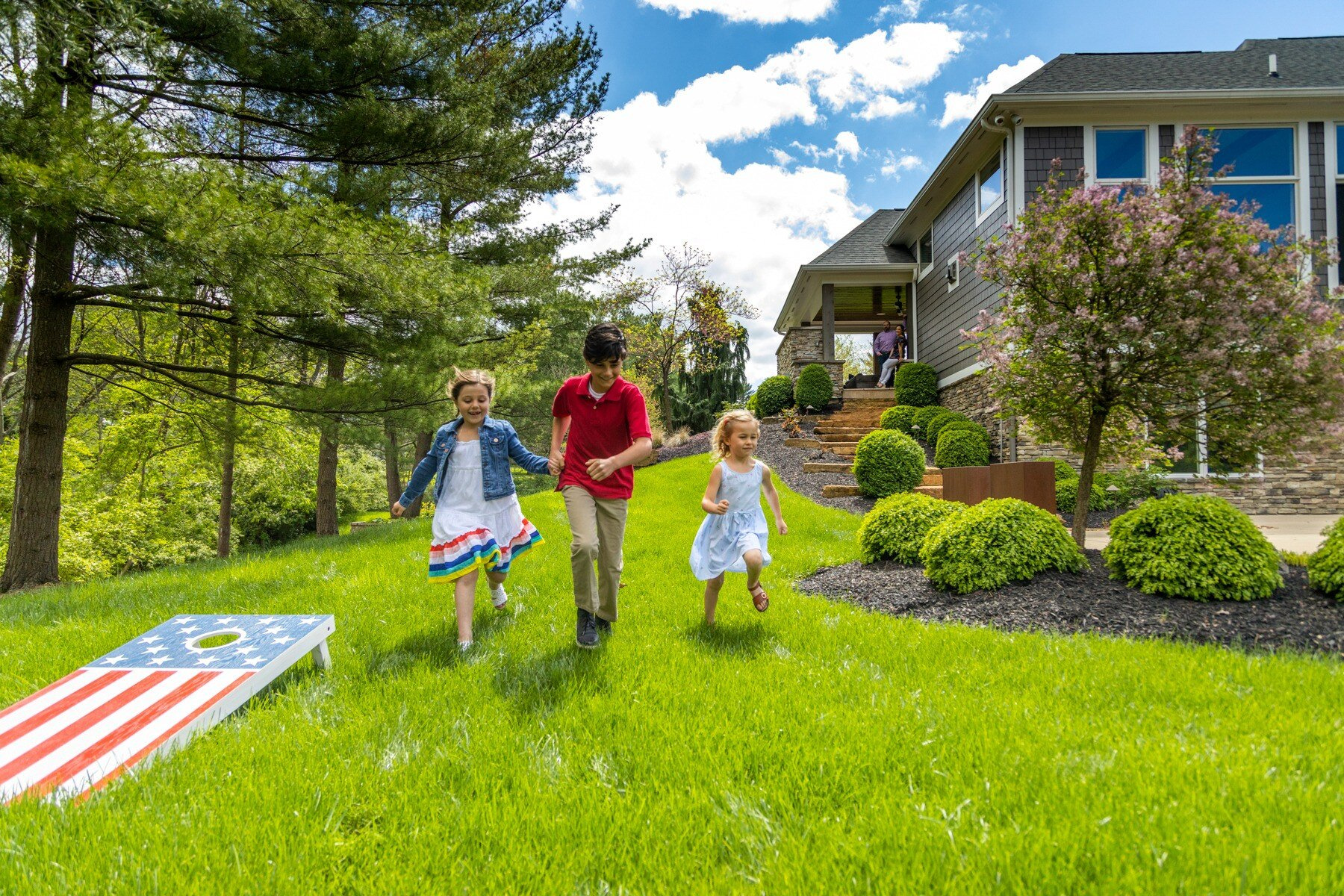
At Oasis Turf & Tree, our Lawn Health Care program is built around a structured treatment schedule designed to strengthen and improve the overall health of your lawn. We understand that maintaining a consistent lawn care routine can be difficult for busy homeowners. Conveniently, that’s why we’re here.
Our approach focuses on long-term results, with treatments timed throughout the year to deliver the best possible outcome over a full season. We know that one-time treatments can only do so much, that’s why our Lawn Health Care Program provides 6 visits annually to ensure the health of your lawn continues to improve over the course of the year.
We’re here to walk you through what a full year of dedicated Lawn Care services with Oasis Turf & Tree can do to transform your lawn into your deserved outdoor oasis.
|
Quick Answer: During your first year with Oasis Turf & Tree, you can expect to see gradual improvements in your lawn, including fewer broadleaf weeds, healthier turf, and better coverage in thin or bare areas. Each treatment is designed with a specific purpose, whether it's preventing crabgrass, controlling grubs, providing essential nutrients through fertilization, or preparing your lawn for Winter by applying a Winterizer. It's also important to know that some weeds, such as Wild Violet and Ground Ivy, can be more persistent in the summer. By the following spring, you should notice a significant before-and-after transformation. Broadleaf weed activity should be greatly reduced, and your lawn will have a richer green color and a noticeably thicker, fuller appearance. |
In this article:
- What Can You Expect from Your First Year with Oasis Turf & Tree?
- What Does Early Spring Treatment Look Like at Oasis Turf & Tree?
- What Does Late Spring Treatment Look Like at Oasis Turf & Tree?
- What Does Early Summer Treatment Look Like at Oasis Turf & Tree?
- What Does Late Summer Treatment Look Like at Oasis Turf & Tree?
- What Does Early Fall Treatment Look Like at Oasis Turf & Tree?
- What Does Late Fall Treatment Look Like at Oasis Turf & Tree?
- What to Expect from Your Lawn the Following Spring?
- How to Know if Oasis Turf & Tree is Right for Me?
- Frequently Asked Questions
What Can You Expect from Your First Year with Oasis Turf & Tree?
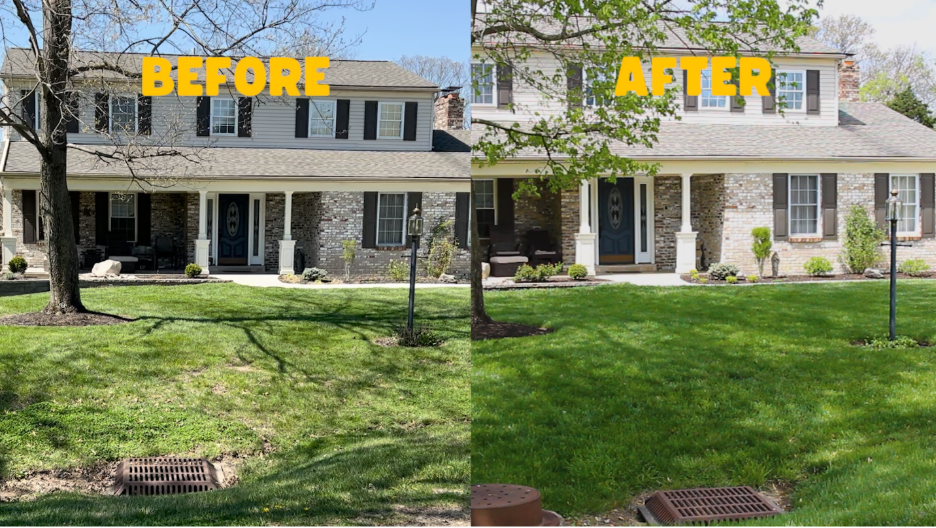
During your first year with Oasis Turf & Tree, you can expect to see significant improvements in the overall health of your lawn over the course of 6 Lawn Health Care visits.
Over the course of the year, we may notice improvements in areas such as:
- Broadleaf weed activity
- Thin areas
- Bare spots
- Patchy areas
- Struggling grass
However, these problems do not disappear overnight, and consistent, year-round maintenance is necessary to achieve the best results.
At Oasis Turf & Tree, our Lawn Health Care program is made up of six visits scheduled throughout the season, with each treatment designed to build on the results of the previous one. Long-term lawn improvement is a cumulative process, and consistent applications allow our technicians to proactively address potential issues while maintaining and strengthening your lawn's overall health. A one-time treatment can provide temporary benefits, but it does not offer the ongoing care needed for your lawn to reach its full potential.
Although your lawn may be at different stages of development depending on when you start your lawn care journey, you can expect to see similar changes and characteristics emerge throughout the process.
What Does Early Spring Treatment Look Like at Oasis Turf & Tree?
Our first treatment typically occurs anywhere between early March and mid-April.
Going into our first treatment, there is often noticeable weed activity and bare spots.
What we do:
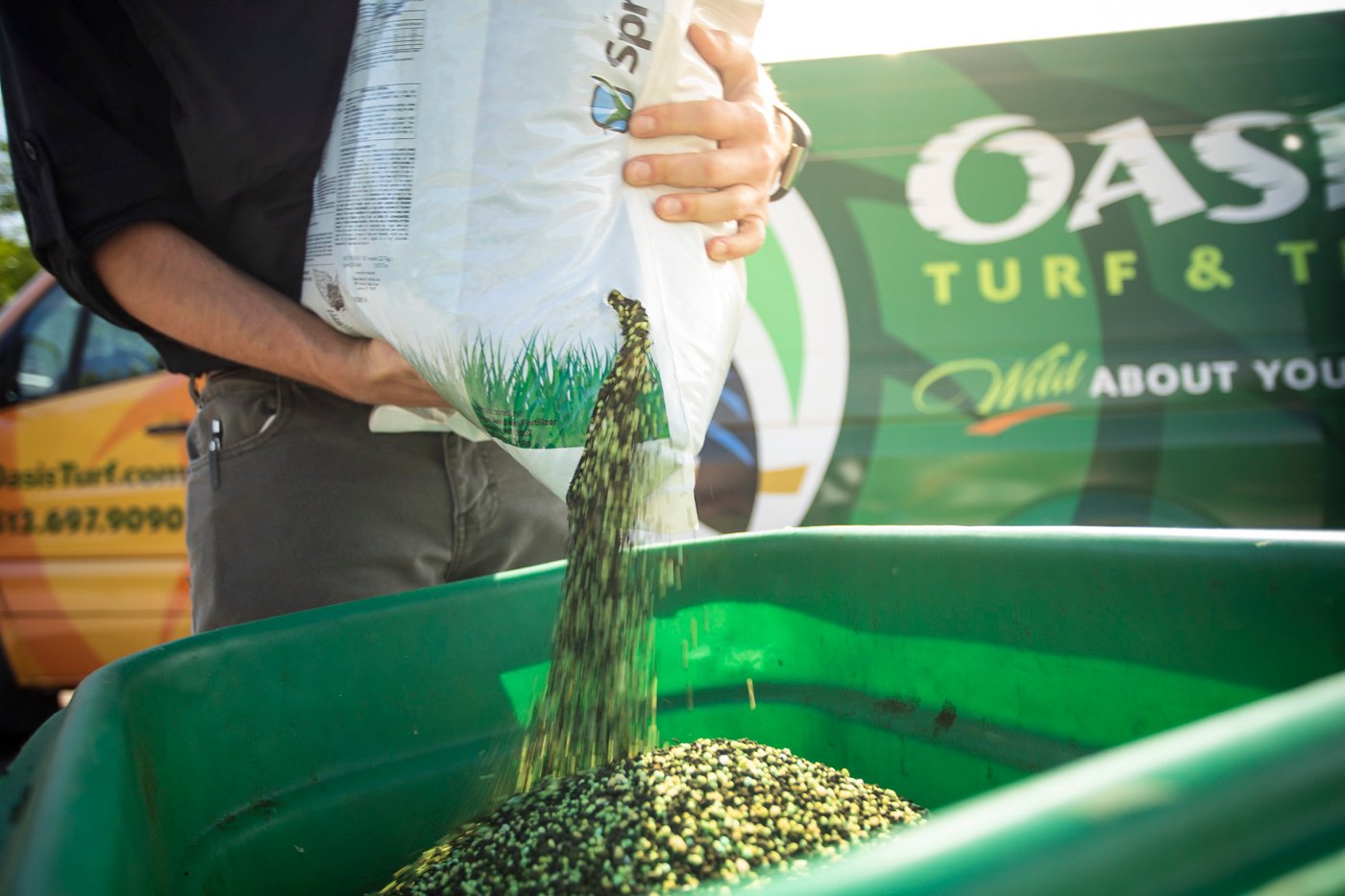
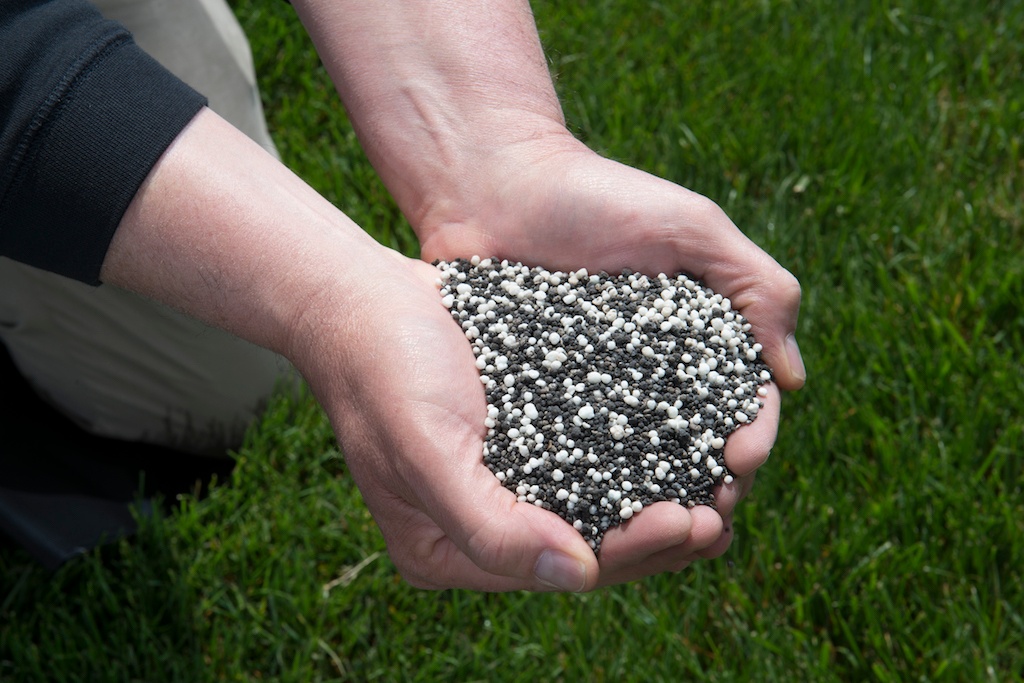
Our main goal for the first spring application is to get down a pre-emergent for Crabgrass on your lawn, which is a preventative treatment that helps stop crabgrass before it has a chance to grow. It creates a protective barrier in the soil that prevents crabgrass seeds from germinating (growing). During this application, we also get you started with fertilizer and weed control for the year, as well as broadleaf weed control if soil temperatures are at least 55°F .
Crabgrass typically begins germinating around April 15th, with a window of about five days before or after depending on conditions.
Crabgrass commonly spreads into thin or bare areas of a lawn. It naturally dies off after hard frosts in late fall.
Unfortunately, Crabgrass can’t be entirely expunged because it produces thousands of seeds each year. However, applying pre-emergent treatment in the spring before germination can greatly reduce the amount that grows.
What you may notice:
After the first treatment, you may notice yellowing on broadleaf weeds, which is a sign that the weed control treatment applied to your lawn is working effectively.
Noticing different colored patches of grass is also common during the springtime. This is because different types of grass grow at different rates, so it's common to see a mix of light green and dark green areas in your lawn at different heights.
What Does Late Spring Treatment Look Like at Oasis Turf & Tree?
Our second treatment typically occurs anywhere between mid-April and late May.
What we do:
This treatment contains an additional round of Crabgrass pre-emergent that we mix in with our fertilizer product.
If we see any Crabgrass breakthrough on the lawn, we will then treat it with a post-emergent Crabgrass control.
After this treatment period, you can expect to see a significant reduction in these weeds.
What you may notice:
During this time of year, it’s common to see an increase in Wild Violet and Ground Ivy activity.
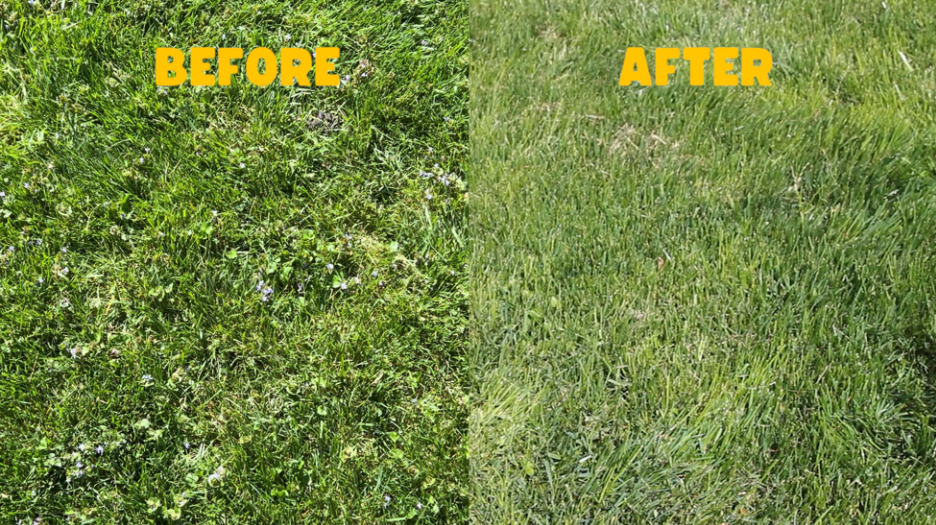
During the summer, these weeds develop a waxy coating that makes them much more difficult to control with treatments. Because of their protective layer, they’re very difficult to treat in the warmer months.
For the best results, Wild Violets and Ground Ivy are most effectively treated in spring and fall.
During these treatment periods, you can expect to see a significant reduction in Wild Violet growth and activity.
What Does Early Summer Treatment Look Like at Oasis Turf & Tree?
Our third treatment typically occurs anywhere between early June and mid-July.
What we do:
Our main goal with this application is to apply Granular Grub Control and Surface Insect Control, as well as post-emergently spray any active broadleaf weeds and apply fertilizer.
Granular Grub Control protects your lawn from grubs, which are the larva of:
- Japanese Beetles
- European Mass Chaffer
- June Beetles
The eggs from these insects hatch into Grub Worms that feed on grass roots and can cause damage to your lawn. We apply Grub Control while Beetles are laying eggs, so the treatment is already active in the soil and able to help prevent future grub damage.
We also will apply sedge control that's designed to control Nutsedge. A common area where Nutsedge tends to grow is low lying areas that retain moisture.
What you may notice:
We can expect to see Nutsedge appear near:
- Ditches
- Drainage areas
- Ponds
- Flower beds
- Overwatered turfgrass
- Trenches
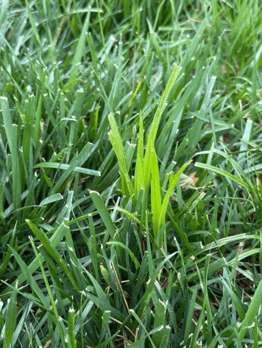
Nutsedge is tall, bright lime green colored plant with a triangular stem.
What Does Late Summer Treatment Look Like at Oasis Turf & Tree?
Our fourth treatment typically occurs anywhere between mid-July and late August.
What we do:
During this treatment, our main focus is putting down fertilizer and treating for any remaining active weeds like Crabgrass and Nutsedge.
What you may notice:
You may notice that a lot of the weeds have wilted and died. Some of the harder to control weeds like Wild Violet and Ground Ivy may still linger. During the hottest part of the summer, it's normal to see your lawn lose some of its green color and develop brown areas due to heat stress. While your lawn is still receiving the fertilizer and nutrients it needs, high temperatures can slow growth and make it harder for the grass to thrive until cooler conditions return.
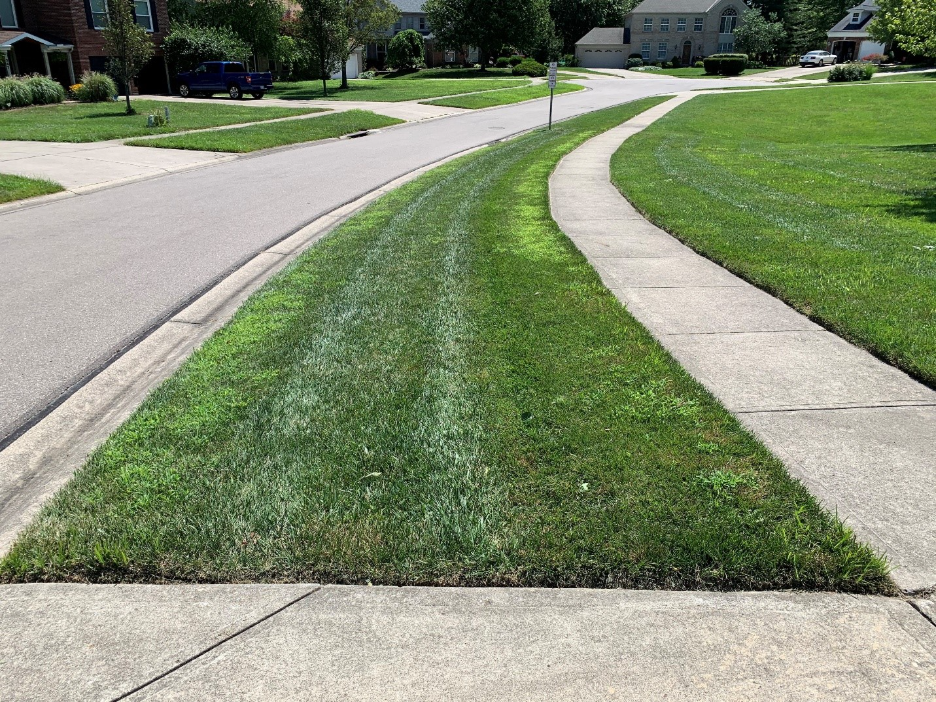
The light green patches visible around the edges of grass in this photo is Crabgrass.
Wild Violet and Ground Ivy can be especially difficult to control during the summer months because it develops a protective coating during the hottest part of the year. This coating helps it withstand drought and high temperatures as well as shield the plant from weed control treatments.
What Does Early Fall Treatment Look Like at Oasis Turf & Tree?
Our fifth treatment typically occurs anywhere between early September and mid-October.
What we do:
Our early fall treatment, much like the late summer treatment, focuses on putting down fertilizer and weed control.
While this fertilizer serves the same purpose as the previous applications, your lawn doesn't need all its nutrients at once. Instead, we spread its annual nutrient requirements across six scheduled treatments, giving your turf the nutrition it needs throughout the growing season.
The main difference between the late summer and early fall treatment is that in the early fall we begin implementing our cool season weed control product.
What you may notice:
A couple weeks after our early fall application, aside from any residual heat and drought stress from the warmer months, you can expect to see very minimal weed activity. Any lingering broadleaf weeds will appear to be controlled.
What Does Late Fall Treatment Look Like at Oasis Turf & Tree?
Our last treatment of the year is the most important and typically occurs anywhere between mid-October and late November.
What we do:
This is the time when we apply a Winterizer treatment, which is a slow-release, high-nitrogen fertilizer designed to help the lawn store carbohydrates as an energy source throughout the winter.
One of the most important steps in late-season lawn care is providing the nutrients needed to withstand cold temperatures and promote a quicker green-up in the spring.
What you may notice:
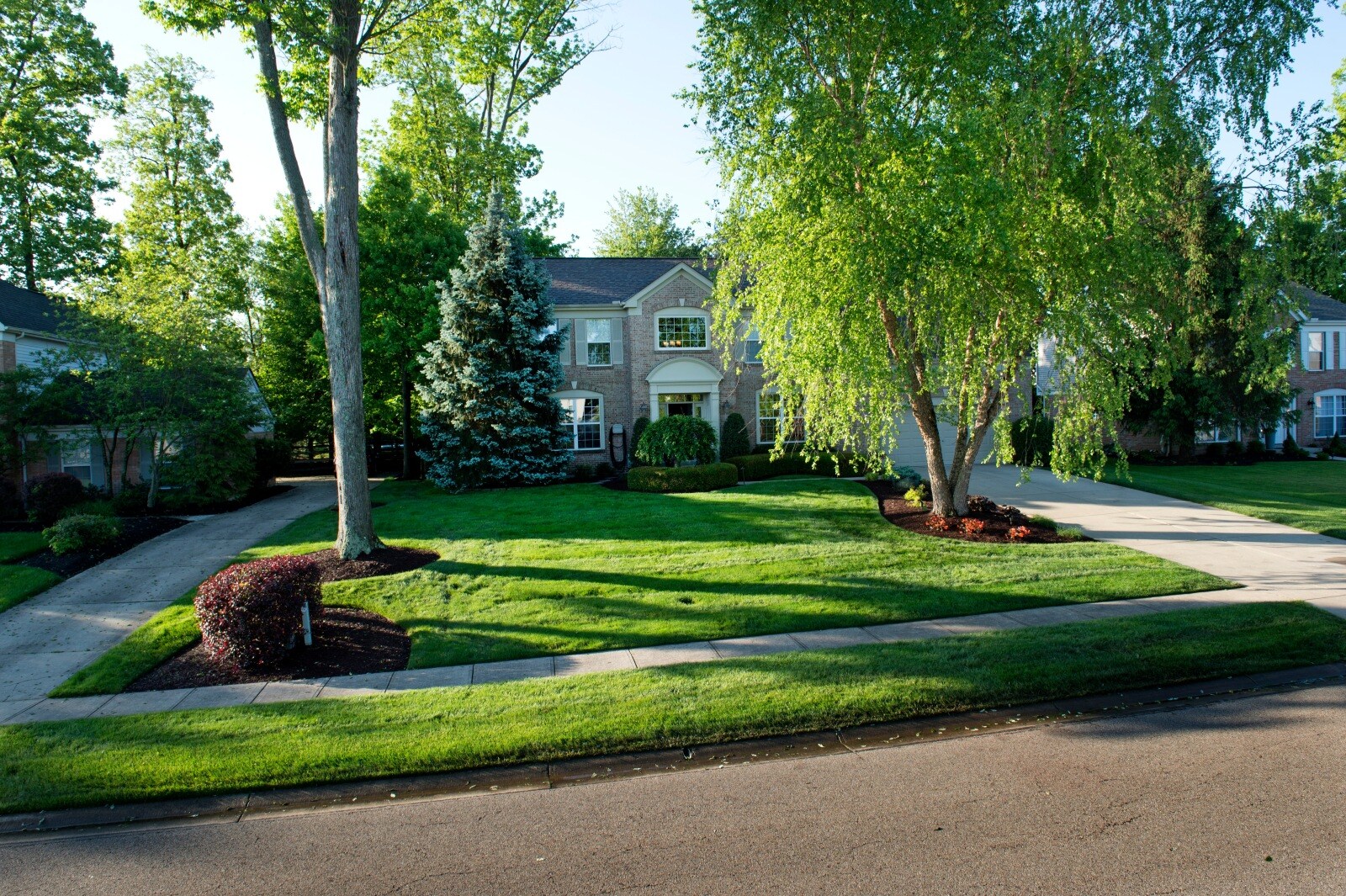
By this stage of the season, weed activity has mostly reduced, and you may notice a visible difference in the color and overall appearance of your lawn compared to neighboring lawns.
What to Expect from Your Lawn the Following Spring?
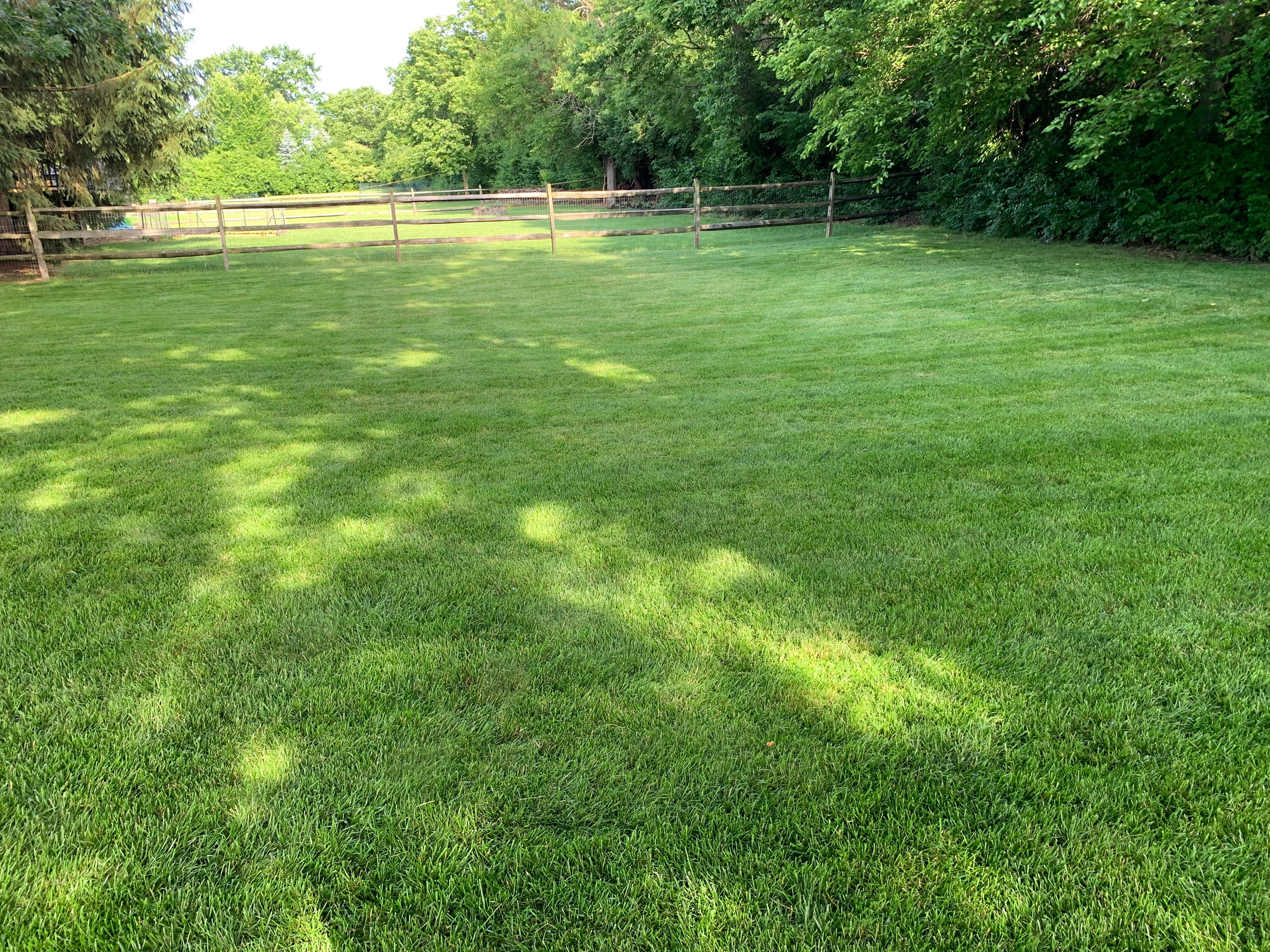
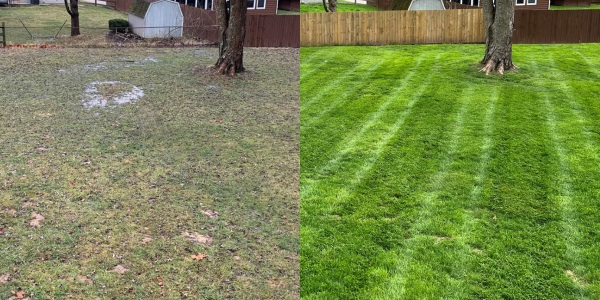
The following spring, you can expect to see a true before and after transformation between the state of your lawn prior to service and the state of your lawn now.
Active Broadleaf weeds will be minimal, and the lawn’s richer color and noticeably thicker, fuller turf will be hard to miss.
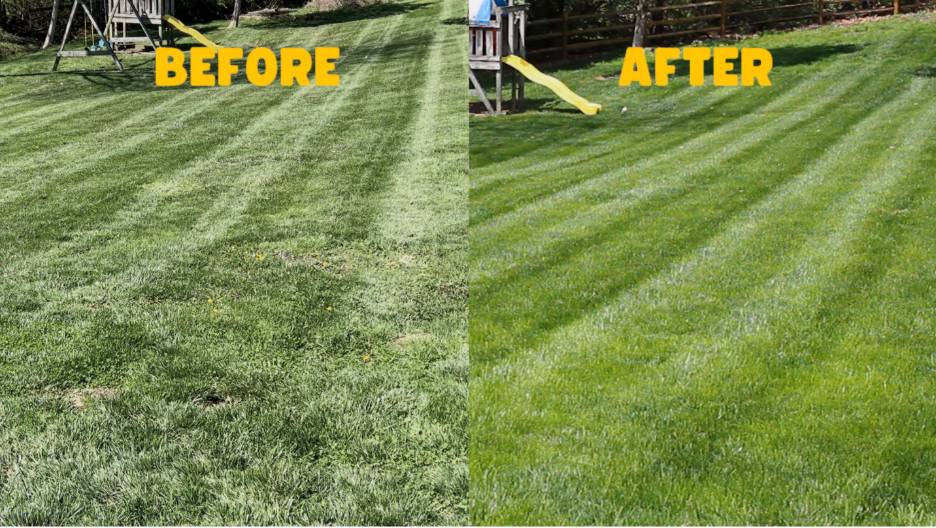
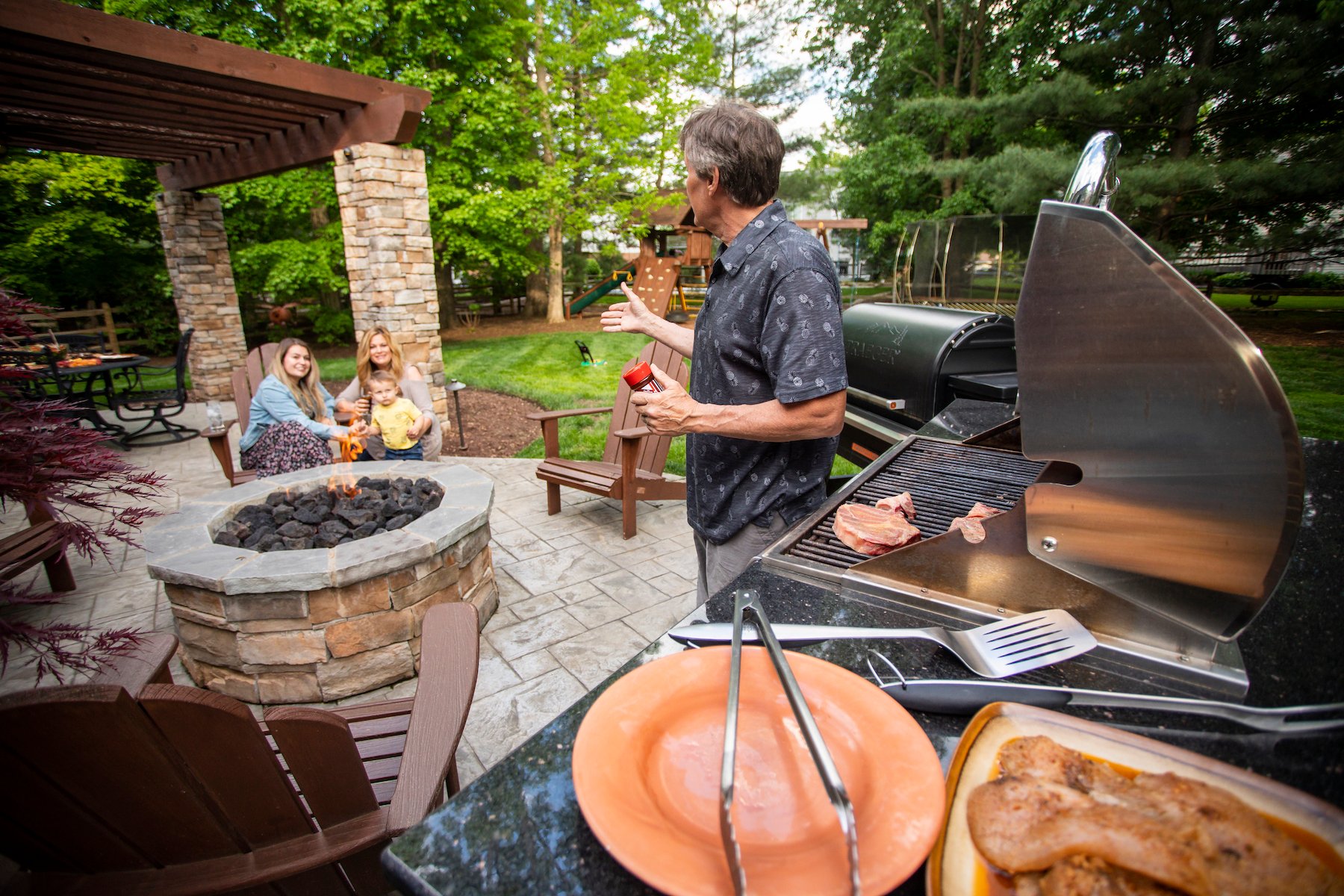
By this time, the full year’s worth of treatments is paying off, and giving the neighbors something to talk about on their evening walks.
How to Know if Oasis Turf & Tree is Right for Me?
If you’ve been thinking about elevating your property with premium, professional lawn care, Oasis Turf & Tree is the team you can trust to bring your vision to life.
A vibrant and healthy lawn doesn’t happen overnight; it takes expert care, proven treatments, and a commitment to long-term results.
Whether your goal is a greener lawn, fewer weeds, or simply creating a yard you can truly be proud of, our trained technicians are here to help every step of the way.
If you believe your lawn could benefit from our services, you’re ready to invest in a fuller, healthier lawn, and you live in the Cincinnati, Dayton, or Northern Kentucky area, taking the next step is quick and easy.
Fill out a quick form on our website, and one of our team members will be happy to help you create the lawn you’ve always wanted.
Frequently Asked Questions
Does Oasis Turf & Tree offer mowing services?
No, Oasis Turf & Tree does not offer mowing services, we handle Lawn Health Care services, Tree & Shrub Health Care services, Mosquito Control services and Perimeter Pest Control services.
What areas does Oasis Turf & Tree service?
Oasis Turf & Tree services the Cincinnati, Dayton, and Northern Kentucky areas.
Does Oasis Turf & Tree offer free quotes?
Yes, Oasis Turf & Tree offers free quotes. Get your quote for your property here.
Are Oasis Turf & Tree’s treatments safe for pets and kids?
Yes, the treatments we provide at Oasis Turf & Tree are safe for pets and kids once dry.
Do I need to be home for my lawn to be serviced by Oasis Turf & Tree?
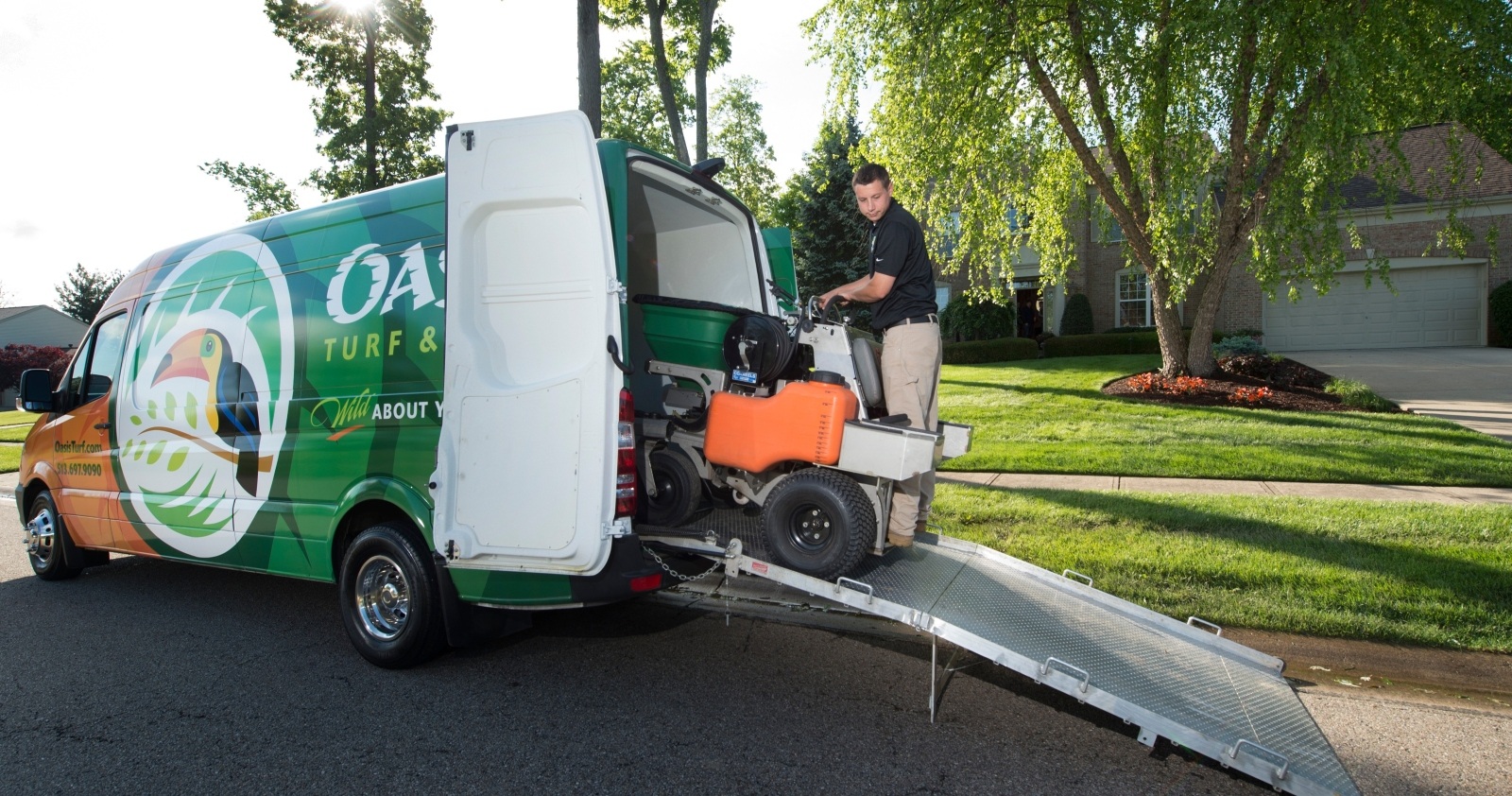
No, we do not require the homeowner to be present during treatment. Our trained technicians will leave detailed notes regarding the work they’ve done on your property.
May, 28th, 2026
Nate Wickemeyer
.jpg?width=2048&height=1365&name=NALP_Gayle_Lawn_Pictures%20(34).jpg)
.jpg?width=2048&height=1366&name=NALP_Gayle_Lawn_Pictures%20(8).jpg)
.jpg?width=2048&height=1366&name=NALP_Gayle_Lawn_Pictures%20(9).jpg)