

When you get bitten by a mosquito, it usually doesn't seem like a big deal at first. In fact, most people don't even realize they've been bitten until hours later when the relentless itching starts.
It's a frustrating experience shared by people all over the world, often leading to the same question: Why does something so small become so irritating?
At Oasis Turf & Tree, we understand that frustration, as we've helped homeowners throughout Cincinnati, Dayton, and Northern Kentucky protect their families and outdoor spaces from these unwelcome pests for over a decade.
In this article, we'll explain why mosquito bites itch so intensely, what actually happens when a mosquito bites you, and the best ways to find relief quickly.
|
Quick Answer: When a mosquito bites us, the itching sensation is caused by a reaction to the mosquito’s saliva. The immune system recognizes this saliva as a foreign substance and releases histamine to defend the body, which leads to itching along with other common symptoms. Most mosquito bites begin to heal within 3–7 days. To help relieve symptoms, treatments such as cold compresses, antihistamine creams, hydrocortisone, and aloe vera can be effective. You should seek medical attention if you experience symptoms such as excessive swelling, severe pain, a noticeable rash, nausea or vomiting, headaches, fever and chills, or persistent fatigue. |
In this article:
- Why Do Mosquito Bites Itch? The Short Answer
- What Actually Happens When a Mosquito Bites You
- Why the Itch Gets Worse Over Time
- Why Some Mosquito Bites Itch Worse Than Others
- How Long Do Mosquito Bites Itch For?
- How to Stop Mosquito Bites From Itching
- Myths About Mosquito Bite Itching
- When to Be Concerned
- How to Remove Mosquitoes From Your House
- Frequently Asked Questions
Why Do Mosquito Bites Itch? The Short Answer
The itching caused by a mosquito bite occurs because your immune system reacts to the mosquito's saliva.
That reaction releases histamine, which is a chemical your body produces when it thinks something foreign is entering your system, such as mosquito saliva, pollen, or pet dander.
The release of histamine causes:
- Itching
- Swelling
- Redness
While these are the visible effects you notice on the surface of your skin, there's a much more interesting process taking place underneath.
What Actually Happens When a Mosquito Bites You
When a mosquito bites you, this happens:
![mosquito-control-cincinnati-dayton-oh [DO NOT USE]](https://www.oasisturf.com/hs-fs/hubfs/Images/mosquito-control-cincinnati-dayton-oh%20%5BDO%20NOT%20USE%5D.jpg?width=1280&height=880&name=mosquito-control-cincinnati-dayton-oh%20%5BDO%20NOT%20USE%5D.jpg)
Mosquito Pierces Your Skin to Feed on Blood
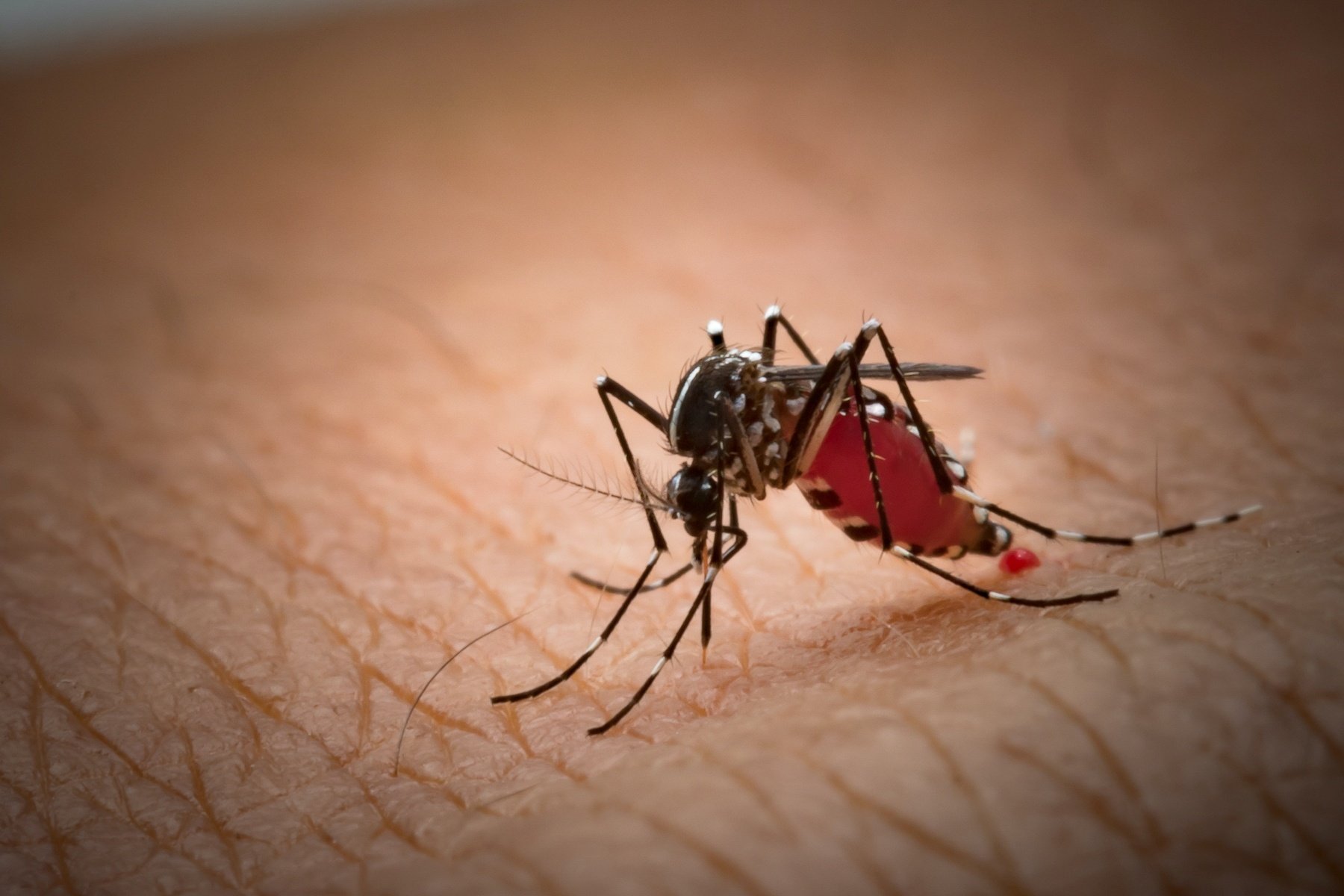
A mosquito uses its needle-like mouth to pierce your skin and feed on your blood. While you may not feel the bite right away, the mosquito is feeding on your blood to obtain the nutrients it needs.
Injects Saliva to Prevent Blood Clotting
As the mosquito feeds, it injects saliva into your skin. This saliva contains proteins that help prevent your blood from clotting, allowing the mosquito to feed more easily and efficiently.
Your Body Detects Foreign Protein in the Saliva
Your immune system recognizes the proteins in mosquito saliva as foreign substances. Even though these proteins are harmless to most people, your body treats them as potential threats and begins preparing a defense.
Your Immune System Responds Immediately
In response to the saliva, your immune system releases histamine to the affected area. This reaction increases blood flow and triggers inflammation, leading to the redness, swelling, and itching we commonly associate with mosquito bites.
Why the Itch Gets Worse Over Time
In many cases, we notice the itch and, naturally, it’s hard to ignore. What’s the first thing most of us do? Scratch it.
But as time goes on, the itching often seems to get even worse. Why is that?
The itch intensifies because:
Histamine Release Increases Inflammation
Histamine increases blood flow and causes mild inflammation around the bite, creating the redness, swelling, and itchiness you often feel.
Nerve Endings in the Skin Become Irritated
As histamine is released, they stimulate the nerve endings in your skin. These irritated nerves send signals to your brain that are interpreted as itching, making the urge to scratch hard to resist.
Delay Effect
Mosquito bites often don't itch right away. It can take several hours for your immune system to fully react to the mosquito's saliva. As your immune system’s response builds, more histamine is released, causing the itching sensation to become stronger over time.
Why Some Mosquito Bites Itch More Than Others
The way a mosquito bite affects you can vary from person to person. While some people experience only mild irritation, others may develop more noticeable itching, redness, and swelling.
It can depend on:
Individual Immune Sensitivity
People with a stronger sensitivity to the proteins in mosquito saliva often experience more intense itching, swelling, and irritation than those with a more mild immune response.
First Time vs. Repeated Exposure
Your body's reaction can change depending on how often you've been bitten. Repeated exposure to mosquito bites can cause some people to become more sensitive to the saliva, while others may develop a level of tolerance and experience less severe reactions over time.
Bite Location
Areas with thinner skin or a higher concentration of nerve endings, such as the ankles, wrists, or neck, may itch worse than bites on other parts of the body.
Scratching
Because scratching slightly damages the skin, your body responds by releasing even more histamine, which can make the itch feel even worse. In other words, your body's attempt to protect itself from mosquito saliva can end up intensifying the irritation it's trying to fight.
How Long Do Mosquito Bites Itch For?
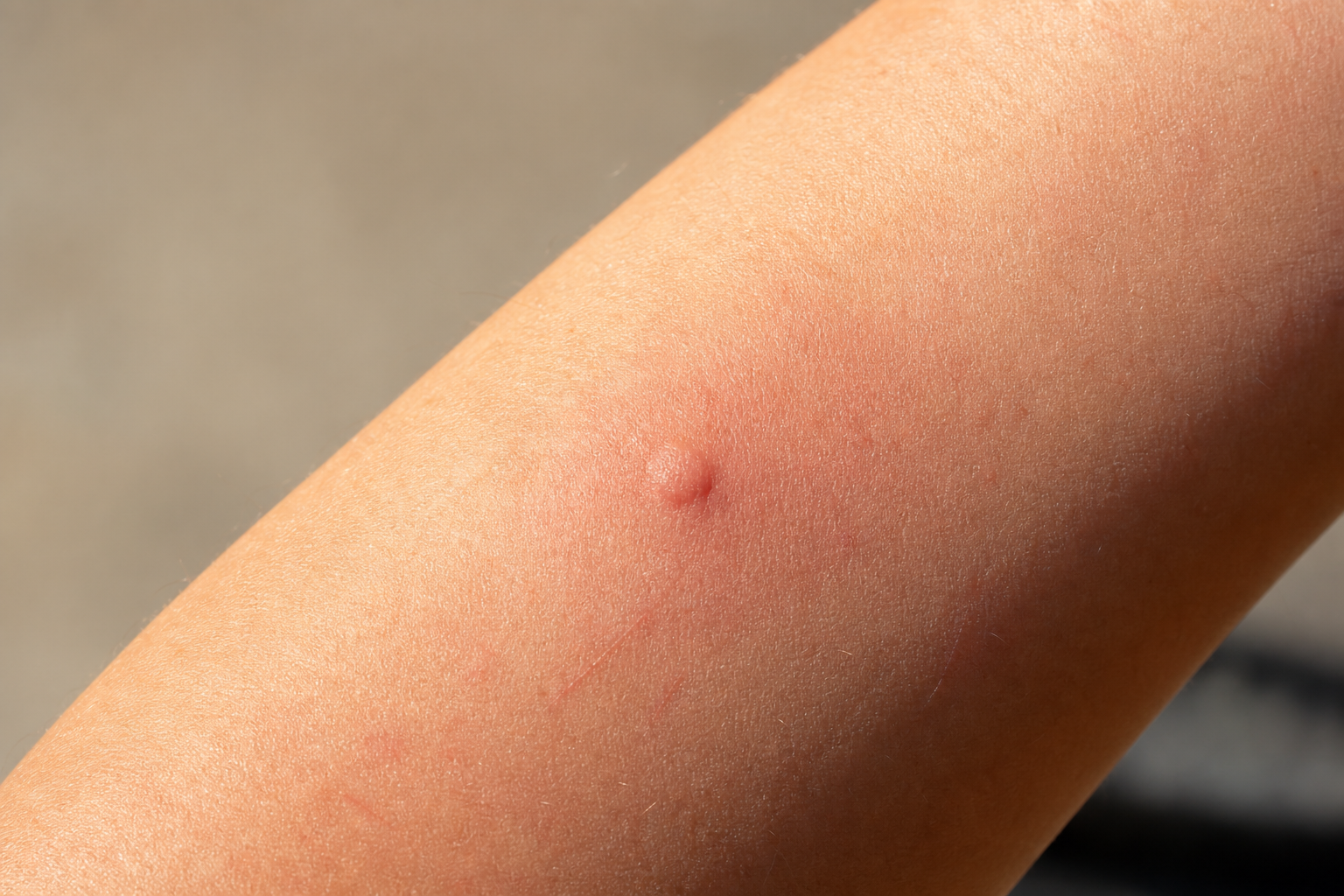
Most people want a clear answer for how long mosquito bites will keep bothering them with itching, but the honest answer is that it varies from person to person.
Although healing times vary, the healing process tends to follow a pattern:
Itch begins: minutes to a few hours after the bite
The reaction doesn’t always show up immediately. As your immune system responds to mosquito saliva, histamine is released, and the itch gradually develops.
Peak irritation: 24–48 hours after the bite
Inflammation is at its highest and so is irritation. The body’s immune response is fully active, making the area more swollen, red, and sensitive.
Regression and healing: 3–7 days after the bite
Once your immune system begins to calm down, histamine levels decrease, and the skin begins to heal. The itch fades, although more severe reactions or frequent scratching can extend the healing time.
How to Stop Mosquito Bites From Itching
Luckily, there are some fast-relief store-bought solutions to mitigate the itch.
These include:
- Aloe vera or calamine lotion
Both of these help soothe irritated skin and reduce redness. Aloe vera provides a cooling, hydrating effect, while calamine lotion works by drying out the irritated area and easing the urge to itch.
- Hydrocortisone cream
This mild steroid cream helps by reducing inflammation and itching. It can quickly lessen swelling, redness, and discomfort.
- Antihistamine cream or oral options
These work by blocking histamine, the chemical responsible for itching and swelling. Creams provide targeted relief directly on the bite, while oral antihistamines can help reduce your overall allergic response.
- Cold compress
Applying something cold helps numb the area and slow down inflammation.
Myths About Mosquito Bite Itching
There are some myths about mosquito bites that are important to address.
Some of these myths are:
You Only Get Bitten at Night
It is true that some mosquito species are more active at dusk or at night; however, many mosquitoes actually bite during the day. Getting bitten isn’t just a nighttime problem; it can happen any time mosquitoes are active.
Only Dirty Water or Dirty Environments Cause Bad Mosquito Bites
Mosquitoes aren’t actually attracted to dirt, but they are attracted to standing water where they can live and breed. This can include clean water sitting in places like bird baths, gutters, or flower pots. A bite has nothing to do with cleanliness, but it has to do with exposure to mosquitoes in general. For information on what you can do as a homeowner to prevent mosquitoes from making a home out of your home. Check out our blog.
Mosquito Bites Itch Because the Mosquito “Sucks Blood”
The itch isn’t caused by mosquitoes sucking your blood; it’s caused by your immune system reacting to the mosquito’s saliva. When mosquitoes bite, they inject saliva that helps prevent blood clotting, and your body recognizes it as a foreign substance. That immune response is what triggers the itching, as well as the swelling and redness that accompany it.
When to Be Concerned
Though mosquito bites are often harmless, it’s important to be aware of the signs of allergic reactions, as well as possible mosquito-borne diseases.
Signs of an Allergic Reaction
- Excessive swelling
- Severe pain/warmth
- Infection from scratching
Signs of Mosquito-borne Diseases
- Fever and chills
- Headache
- Muscle and joint pain
- Fatigue or weakness
- Nausea or vomiting
- Swollen lymph nodes
- Rash
If you experience any of these symptoms after potential exposure to mosquito populations, it’s important to seek medical attention to rule out any serious illness.
How to Remove Mosquitoes From Your House

Our bodies work hard to defend against mosquito bites, and that immune response is what leads to the itching sensation we feel so intensely. Understanding why this reaction happens can help reduce both panic and the urge to scratch excessively.
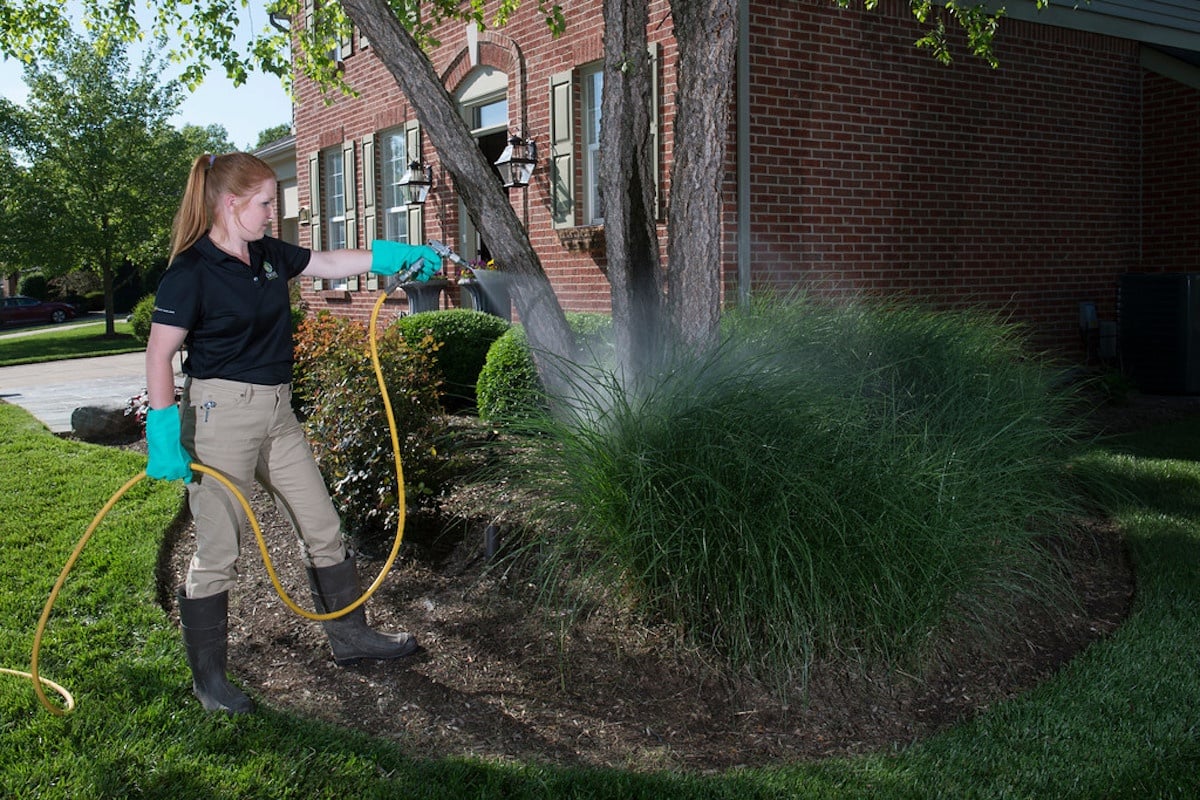
An effective way to minimize mosquito activity and discomfort is by investing in professional Mosquito Control treatments.
While DIY solutions such as outdoor sprays and mosquito traps can help reduce mosquito activity, they often require consistent application and may provide limited results. At Oasis Turf & Tree, our Mosquito Control treatments start at $87.50 per treatment and are designed to reduce mosquito populations around your home by up to 90%, helping protect you, your family, and your outdoor spaces throughout the season.
To learn more about our Mosquito Control services, visit our blog.
If you think your property could benefit from this service, simply fill out a quick form on our website to receive a free quote.
Frequently Asked Questions
Why do mosquitoes bite some people more than others?
Mosquitoes are attracted to factors like body heat, carbon dioxide, and sweat. These factors can all influence how often someone gets bitten.
Can mosquitoes bite through clothing?
Yes, mosquitoes can bite through thin or tight-fitting clothing. Wearing loose, thick fabrics often offers better protection.
Are mosquito bites worse for kids?
Children often react more strongly to mosquito bites because their immune systems are more sensitive, which can lead to larger welts and more noticeable itching.
Can mosquitoes bite more than once?
Yes, a single mosquito can bite multiple times if it is not disturbed.
How long do mosquitoes live?
Most adult mosquitoes live about 2–4 weeks, but this can vary based on species, temperature, and access to standing water for breeding.
Andrew Titkemeyer
August 6th, 2026