
The only dining that should be happening on your lawn is sharing a picnic with family and friends. But there always seems to be a few uninvited and unwelcome guests that show up to chow down on your prize turf. It can be extremely frustrating to see a beautiful lawn gobbled up in a matter of just a few short weeks by some of these insect intruders. Then you’re left with the aftermath of cleaning up after them, reseeding your lawn, and watering it diligently to get your lawn to a place where you’d be proud to invite your family and friends for a return visit.
Fun Facts About Lawn Pests
-
Grubs are C-shaped and can be anywhere from ½” to 1” long.
-
It’s possible to have a severe infestation of grubs and still have grass to look unaffected for some time, so long as it’s receiving ample rainfall or irrigation.
-
Grubs will feed on any variety of turfgrass.
-
Rodents like skunks and moles often dig up areas of lawns to feed on lawns.
-
Grubs are often found in the spring in lawns and mulch areas, but the real concern is finding them from summer through fall.
-
Grubs do not damage landscape plants even if they are commonly found in mulch beds.
-
The best area to find chinch bugs in action is at the fringe of damage, right where the grass is still green and growing.
-
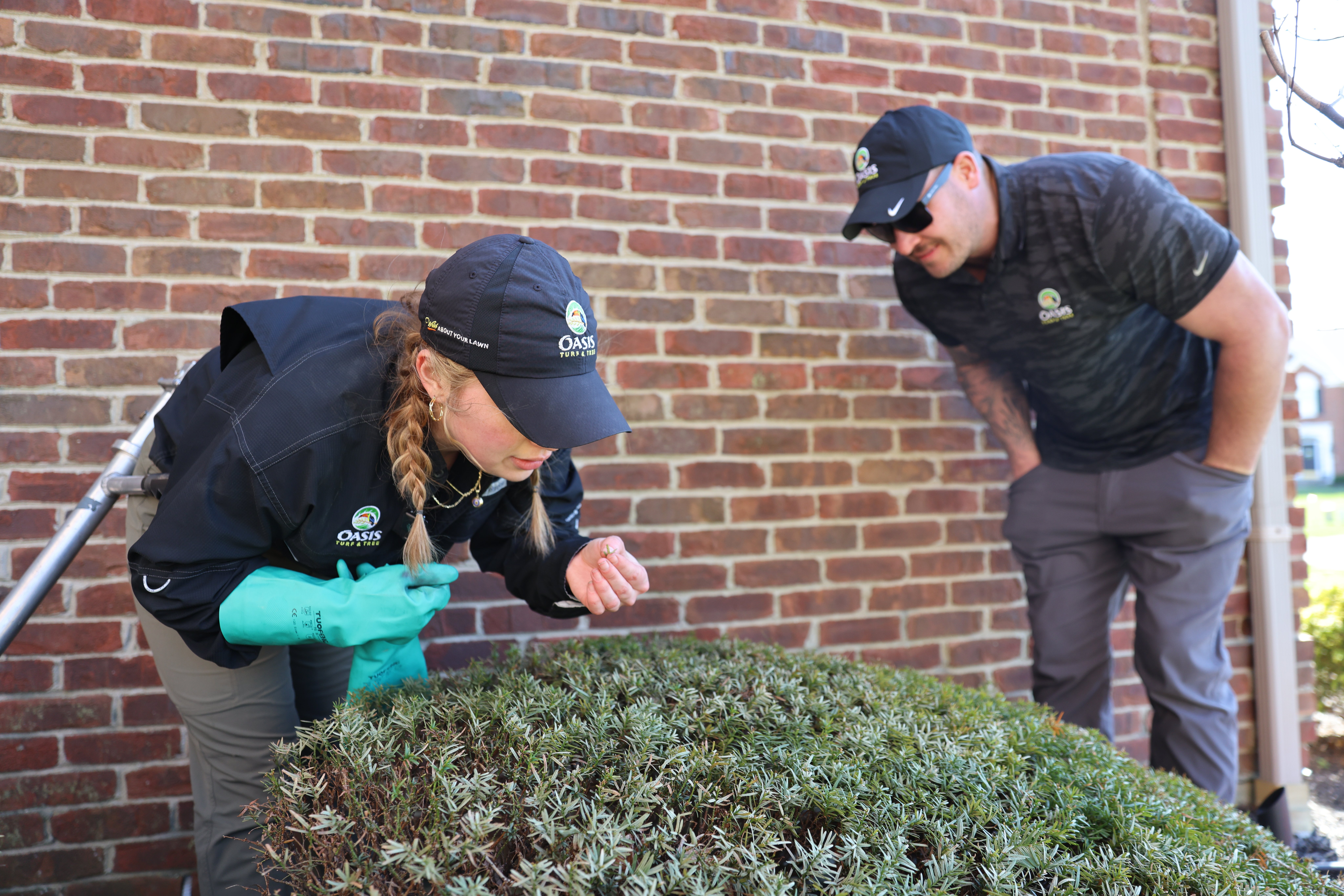
Scouting for chinch bugs requires a close-up approach on your hands and knees. Pull apart the thatch areas and grass plants, and remain still for at least 30 seconds and watch for these insects to begin moving.
-
Chinch bugs are more commonly found in lawns with Kentucky Bluegrass and some Fine Fescues. Some species of Perennial Ryegrass, Turf-Type Tall Fescue, and Fine Fescues contain beneficial fungi that make them more resistant to this pest.
Insect Party Crashers
Pests such as grubs and chinch bugs are notorious lawn party crashers in Cincinnati, Dayton, OH, and Northern Kentucky. Unfortunately, the arrival of these uninvited guests is almost impossible for most homeowners to notice until it’s too late. We hate to see beautiful turf destroyed and the fact that it happens so covertly is even more frustrating. In order to keep these unwanted insects out of your lawn, we’ve put together some facts and tips to help you protect your turf.
Grubs Grubbin’
There are a few species of beetles in our area whose larvae are classified as grubs. The most notorious of these are the grubs of Japanese Beetles, but some others like Northern and Southern Masked Chafers also pose the threat of significant damage to lawns. Adult, flying beetles are more easily spotted as they feed on landscape plants from the end of May through the middle of July. However, the real lawn-destroying concern is what happens later with their offspring. As adult beetles feed and mate over these few months, they also lay eggs in lawn areas. These eggs hatch in a few weeks, and as the developing grubs grow, so does their voracious appetite.
How Grubs Damage Lawns
Grubs feed beneath the surface on the roots of grass plants. However, the damage doesn’t present itself as obvious until months later toward the end of summer or early fall. At this point, the lawn is missing a substantial moisture-extracting root system, and the turf begins to discolor and will easily pull up like a newly laid piece of sod. Only in this instance, these lawn areas are irreversibly damaged and die.
How to Get Rid of Grubs
Once you realize you have a grub problem, it’s most likely after the damage has occurred. In this situation, you will need to remedy the problem in late summer or early fall with a curative grub control application. This material, when watered in, will control the current population of grubs in your lawn. Then there is the repair of damaged areas. Dead lawn areas will need to be removed and reseeded in most cases. This can mean costly repairs and a concentrated focus on watering your new lawn until it matures over the next 6-9 months. There is a better way to get rid of grubs and prevent this lawn damage from occurring in the first place. Applying a preventative grub control treatment in the late spring or early summer will ensure that your lawn doesn’t face this damage. This granular material dissolves and remains in the root zone for 3-4 months. When grubs hatch, they come directly in contact with the product and are quickly neutralized. You and your beautiful lawn continue to thrive throughout the summer, free from the worries of grubs.
Bugs Buggin'
However, grubs aren’t the only insect that can damage your lawn. There are other common lawn-destroying insects in Cincinnati, Dayton, OH, and Northern Kentucky that you should be aware of.
Chinch Bugs
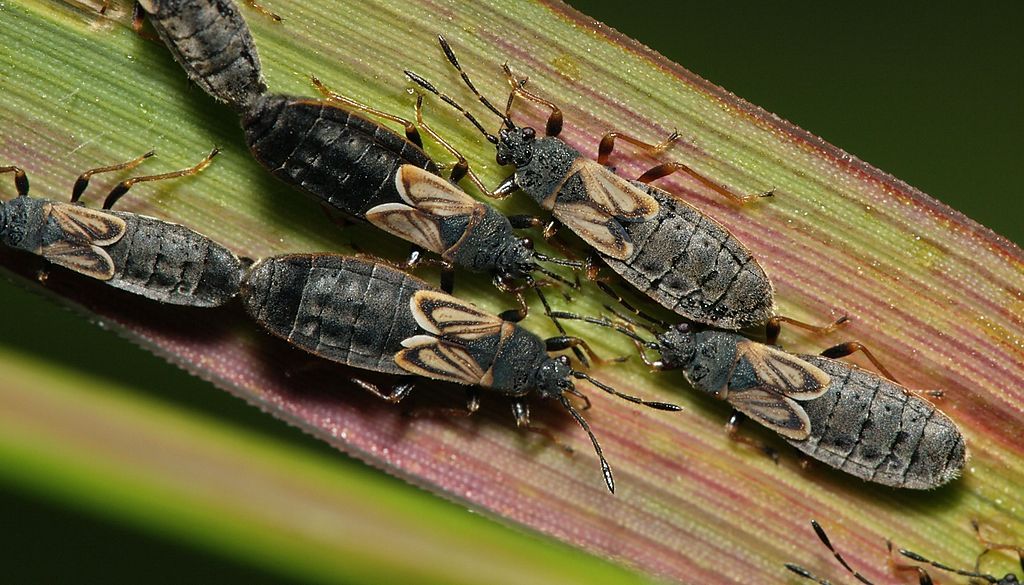
Chinch bugs don’t feed on your lawn’s root system, but above the surface, right under your nose. These insects are extremely hard to detect as they are less than ⅛” long. Chinch bugs can be found in the thatch layer, a naturally occurring layer of live and decomposing grass parts just above the soil surface. At the junction where roots become stems (the crown), these tiny insects use piercing mouthparts to extract vital elements from grass plants. As they feed, grass plants die, and the thousands of tiny insects continue to spread out into more areas of live turf.
The damage from chinch bugs often occurs at the peak of summer when grass is already under enough stress. The affected areas wilt and turn brown, leaving the damage undetected until these areas don’t recover when regular moisture arrives in fall rainstorms. The result is a bare or extremely thin area that will need to be reseeded. However, preventing chinch bugs is fairly easy with the right approach. Applying preventative treatments at just the right time, in early summer, can protect your lawn from this destructive pest.
Billbugs
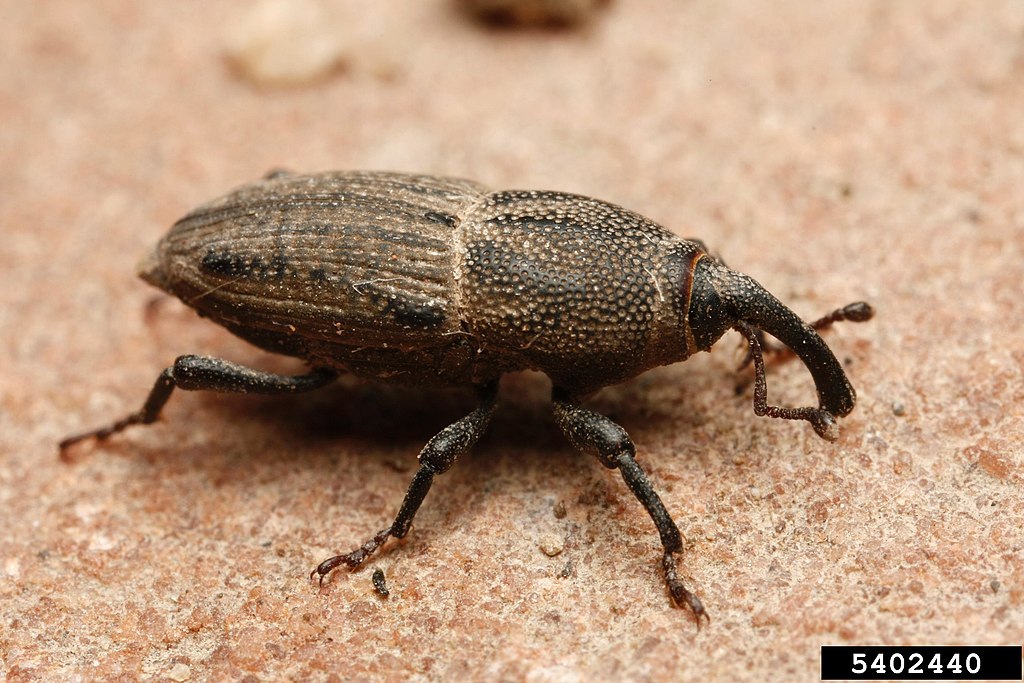
Feeding on a variety of turfgrass species, billbugs also cause significant damage to lawns in Ohio and Northern Kentucky. Their small larvae actually burrow within the stem of grass plants, making their way toward the crown and roots below.
The damage is commonly confused with disease or drought stress as areas begin to lose color in the peak of summer. Left untreated, many of these areas do not recover when more favorable growing conditions resume in the fall.
Billbug control can be achieved with materials that are also labeled to control chinch bugs, so adding this preventative lawn care application during the summer is advisable. This is particularly helpful if your lawn has a high concentration of Kentucky Bluegrass, the favorite meal of billbug larvae. Reseeding these lawns with species of endophyte-enhanced tall fescue varieties is also an effective method to reduce future damage from this pest.
Your Lawn: A Source of Pride, Not Worry
It can take some work to finally get a lawn you can be proud of. As you think about planning your next backyard event, the last thing on your mind should be concerns about whether your lawn will be presentable. We’ve helped thousands of homeowners in Cincinnati, Dayton, OH, and Northern Kentucky not only get a lawn they love but also keep it that way without the hassle of trying to diagnose and fix problems like grubs, chinch bugs, and billbugs. If you’d like to rather spend time figuring out the menu for your next backyard festivity and leave the uninvited, buggy party crashers to us, we’d love to help. Feel free to give us a call at 513-697-9090 or get your quote online, helping us find the right lawn care program for you. Then, you can sit back and relax, knowing grubs and chinch bugs won’t be on your guest list.
Topics: