
Are you interested in an outdoor career but unsure what jobs are available, whether you need a college degree, or if working outside can provide a long-term career? Outdoor work offers many opportunities beyond lawn care and landscaping, but finding the right career path starts with understanding what these jobs actually involve.
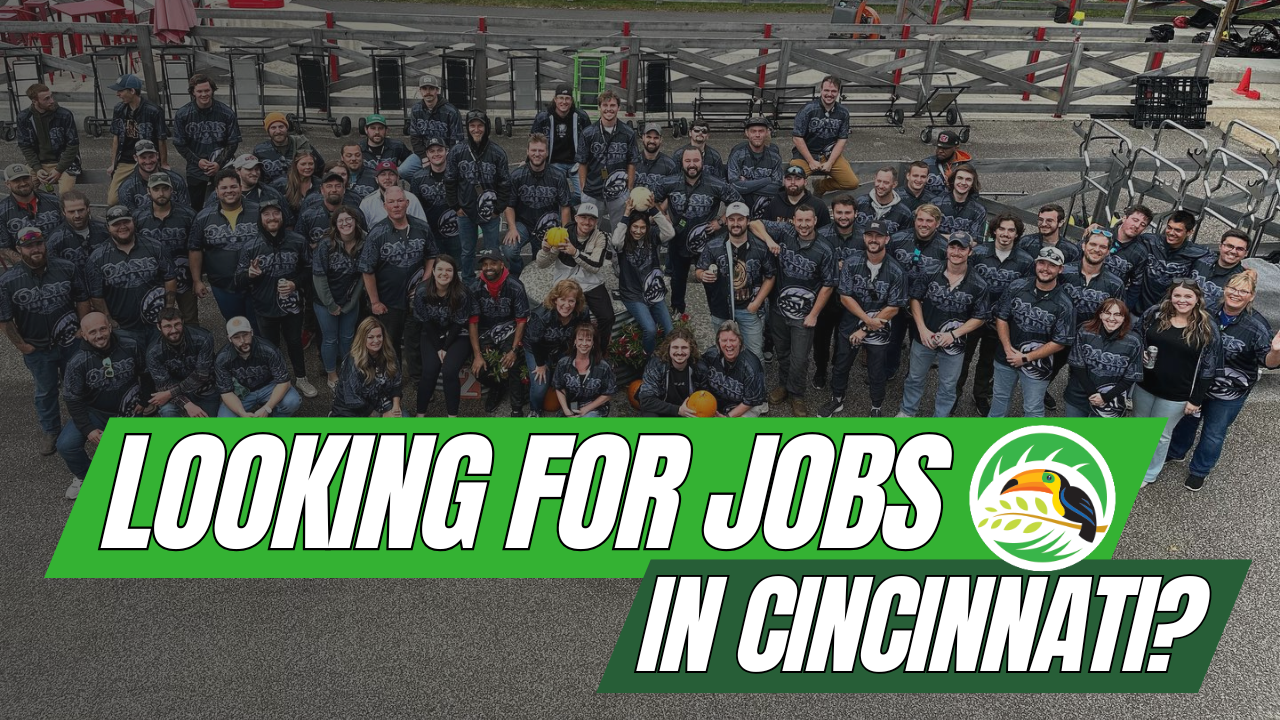
At Oasis Turf & Tree, we understand the value of hands-on work, ongoing training, and opportunities to grow professionally. Our 30 years in the lawn and tree care industry have shown us that an outdoor career can offer much more than a workday outside. With over 60 licensed team members who have advanced their knowledge through continued education, and a commitment to promoting exclusively from within, we’ve seen how these careers help people build skills, work together, and grow into leadership roles. However, they aren't for everyone. Outdoor work also comes with physical demands, changing weather, and responsibilities that may not suit everyone.
We’re here to explain the different types of outdoor careers, what you can expect from the day-to-day work, potential pay ranges in Cincinnati, common qualifications, and how to get started.
Quick Answer: Common outdoor career options include lawn care and landscaping, construction and skilled trades, tree care and arboriculture, and parks, recreation, and conservation. Entry-level earning potential ranges from $29,800-$36,800 per year in lawn care and landscaping, $38,500-$50,000 in construction and skilled trades, $40,400-$46,500 in tree care, and $27,200-$45,000 in parks-related careers. At higher levels, earning potential ranges from $46,560-$60,400 in lawn care and landscaping, $79,500-$98,200 in construction and skilled trades, $55,400-$60,200 in tree care and arboriculture, and $55,000-$65,000 in parks, recreation, and conservation.
In this article:
- What Types of Outdoor Careers Are There?
- What is it Like Working Outdoors?
- What Pay, Benefits, & Career Growth Do Outdoor Careers Offer?
- What Skills & Requirements Are Needed for Outdoor Careers?
- Pros & Cons of Outdoor Careers
- How to Get Started in an Outdoor Career
- Frequently Asked Questions
What Types of Outdoor Careers Are There?
If you enjoy working outdoors, there are several career paths worth exploring. From lawn care & landscaping to construction & skilled trades, tree care & arboriculture, parks, recreation & conservation, and outdoor recreation, these industries offer opportunities to build skills and work in a variety of outdoor environments.
Lawn Care & Landscaping
|
Job Title |
What They Do |
What Kind of Person is it Good For? |
Entry Level or Higher Level? |
|
Lawn Care Technician |
Applies lawn treatments, identifies turf problems, and helps maintain healthy grass. |
Someone who enjoys working outdoors, physical activity, and hands-on work. |
Entry Level |
|
Landscaper |
Plants flowers and shrubs, spreads mulch, prepares garden beds, and assists with landscaping projects. |
Someone who likes physical work, working with plants, and learning new skills. |
Entry Level |
|
Irrigation Technician |
Installs, repairs, and maintains sprinkler systems to help lawns and landscapes receive proper watering. |
Someone who enjoys troubleshooting, working with tools, and solving practical problems. |
Entry Level |
|
Landscape Designer |
Creates plans for outdoor spaces, choosing plants, layouts, and landscape features. |
Someone who is creative, enjoys design, and has an interest in plants and outdoor spaces. |
Higher Level |
|
Arborist |
Cares for trees by assessing their health, identifying problems, and recommending or performing tree care. |
Someone interested in trees, science, and specialized outdoor work. |
Higher Level |
|
Landscape Crew Leader |
Leads a landscaping team, assigns tasks, and makes sure projects are completed safely and properly. |
Someone with leadership skills who enjoys organizing work and helping a team succeed. |
Higher Level; certification typically required |
|
Landscape Business Owner |
Manages a landscaping company, oversees employees, handles customers, and makes business decisions. |
Someone who is entrepreneurial, enjoys leadership, and wants to build a business. |
Higher Level; typically requires experience or business knowledge |
Construction & Skilled Trades
|
Job Title |
What They Do |
What Kind of Person is it Good For? |
Entry Level or Higher Level? |
|
Construction Worker |
Assists with building projects by preparing materials, using tools, and helping on job sites. |
Someone who enjoys physical work, hands-on learning, and working as part of a team. |
Entry-level |
|
Carpenter |
Builds and repairs structures, installs framing, and works with wood and other building materials. |
Someone who is creative, enjoys precise work, and likes building things. |
Entry-level |
|
Electrician |
Installs, maintains, and repairs electrical wiring, lighting, and electrical systems. |
Someone who enjoys problem-solving, working with tools, and learning technical skills. |
Entry- level to higher-level |
|
Plumber |
Installs and repairs pipes, fixtures, and water systems in homes and buildings. |
Someone who likes troubleshooting, practical problem-solving, and hands-on work. |
Entry-level to higher-level |
|
HVAC Technician |
Installs, maintains, and repairs heating, ventilation, and air conditioning systems. |
Someone who enjoys mechanical work, technology, and solving problems in different environments. |
Entry Level to Higher Level |
|
Construction Foreman |
Supervises construction crews, coordinates daily tasks, and makes sure projects are completed safely and efficiently. |
Someone with leadership skills who enjoys organizing work and managing a team. |
Higher Level: typically requires experience |
|
Construction Project Manager |
Oversees construction projects, including budgets, schedules, materials, and coordination between teams. |
Someone who is organized, enjoys planning, and is comfortable leading projects and communicating with people. |
Higher Level; typically requires management experience |
Tree Care & Arboriculture
|
Job Title |
What They Do |
What Kind of Person is it Good For? |
Entry Level or Higher Level? |
|
Tree Care Laborer |
Assists with tree maintenance, removes branches and debris, and helps tree care crews complete projects. |
Someone who enjoys physical work, being outdoors, and learning hands-on skills. |
Entry level |
|
Tree Climber |
Climbs trees to prune branches, remove hazardous limbs, and perform specialized tree care work. |
Someone who enjoys heights, physical challenges, and working with trees. |
Intermediate to high level; typically requires specialized training |
|
Tree Trimmer |
Prunes trees, removes dead or damaged branches, and helps maintain tree health and safety. |
Someone who enjoys working outdoors, using tools, and learning about tree care. |
Entry-level to intermediate |
|
Arborist |
Assesses tree health, identifies diseases and pests, and recommends or performs tree care treatments. |
Someone interested in plant science, problem-solving, and environmental care. |
Higher level, certification and training required |
|
Tree & Shrub Technician |
Monitors trees and shrubs for pests and diseases and applies treatments to improve their health. |
Someone who enjoys science, working with plants, and solving problems. |
Entry-level to intermediate |
|
Tree Care Crew Leader |
Supervises tree care crews, coordinates daily tasks, and ensures work is completed safely and properly. |
Someone with leadership skills who enjoys organizing work and helping a team succeed. |
Higher level, typically requires experience |
|
Consulting Arborist |
Provides expert advice on tree health, risk assessment, preservation, and tree management for property owners and organizations. |
Someone who enjoys science, analysis, communication, and making informed recommendations. |
Higher level; typically requires experience and specialized arboricultural knowledge. |
Parks, Recreation, & Conservation
|
Job Title |
What They Do |
What Kind of Person is it Good For? |
Entry Level or Higher Level? |
|
Park Maintenance Worker |
Maintains parks, trails, playgrounds, and public green spaces by mowing, planting, cleaning, and repairing outdoor facilities. |
Someone who enjoys working outdoors, physical activity, and keeping public spaces clean and safe. |
Entry level |
|
Recreation Assistant |
Helps organize and run activities, sports programs, camps, and community events for people of different ages. |
Someone who enjoys working with people, planning activities, and creating fun experiences. |
Entry level |
|
Park Ranger |
Helps protect natural areas, educates visitors, monitors park resources, and supports visitor safety and conservation efforts. |
Someone who enjoys nature, interacting with the public, and learning about the environment. |
Entry-level to higher-level |
|
Recreation Program Coordinator |
Plans and manages recreational programs, schedules activities, and coordinates staff, volunteers, and community events. |
Someone who is organized, enjoys leadership, and likes working with people. |
Higher level, typically requires experience |
|
Environmental Conservation Technician |
Assists with habitat restoration, wildlife monitoring, invasive species management, and environmental conservation projects. |
Someone interested in science, nature, and hands-on environmental work. |
Entry-level to intermediate |
|
Natural Resources Specialist |
Develops and supports conservation programs, monitors ecosystems, and helps manage forests, wetlands, wildlife, and other natural resources. |
Someone who enjoys environmental science, research, and protecting natural resources. |
Higher level; often requires specialized education or experience. |
|
Parks & Recreation Director |
Oversees parks and recreation departments, manages budgets and staff, and develops programs and long-term plans for community spaces. |
Someone with strong leadership, organization, and communication skills who enjoys serving a community. |
Higher level; typically requires experience. |
What is it Like Working Outdoors?
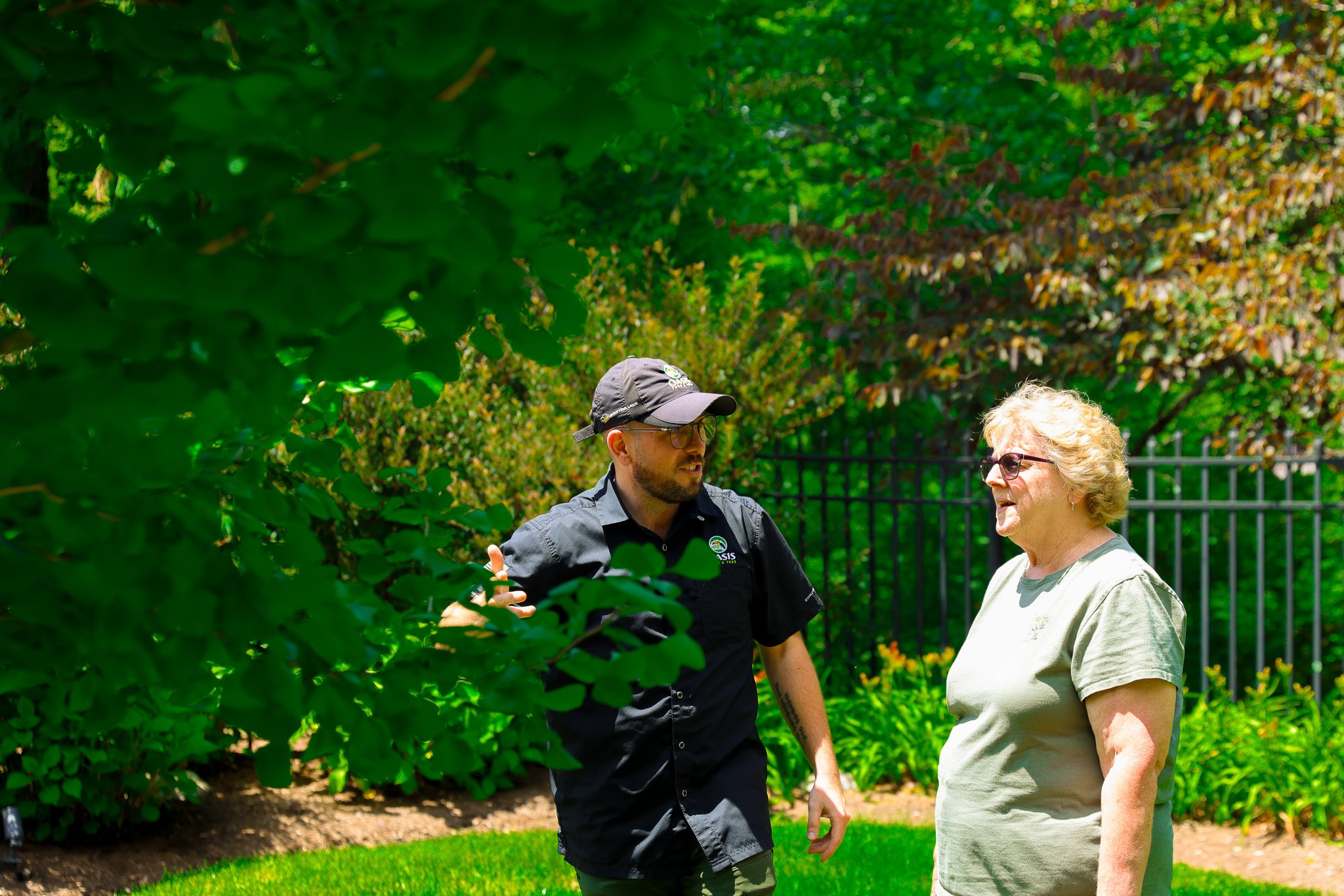
A typical outdoor workday often starts early. Employees may travel to different job sites, prepare equipment, complete assigned tasks, and communicate with supervisors or customers throughout the day.
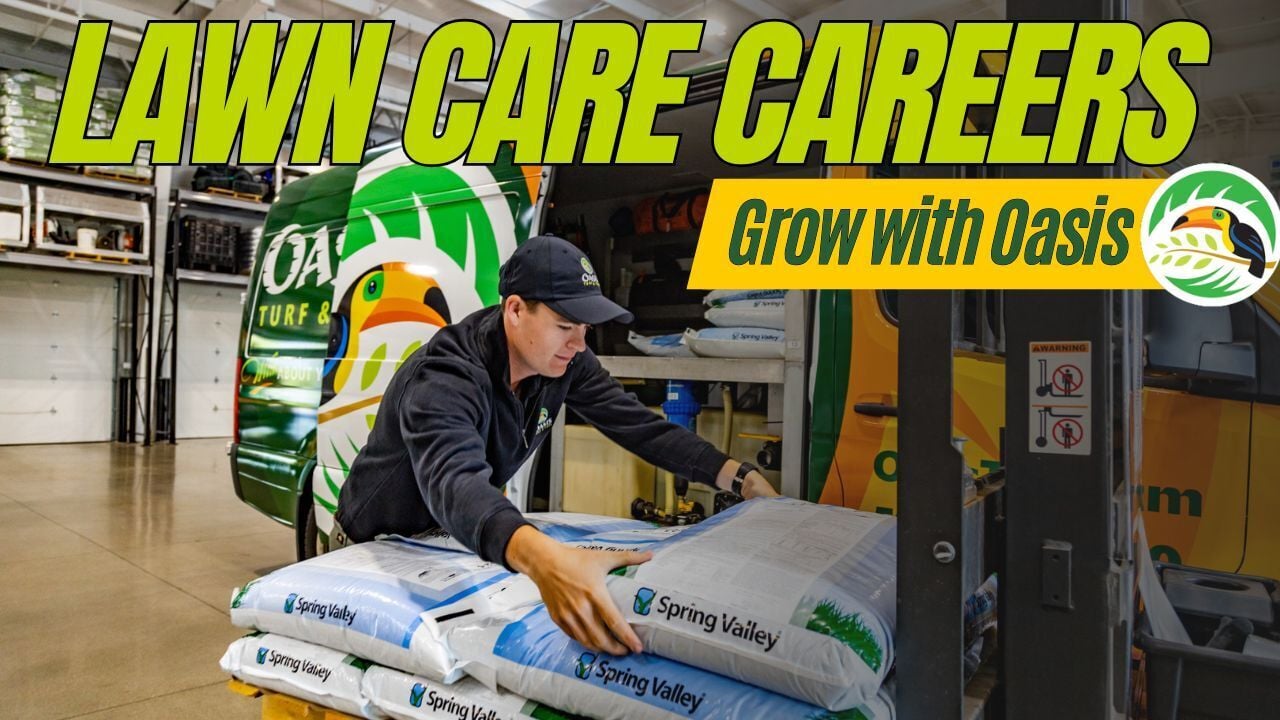
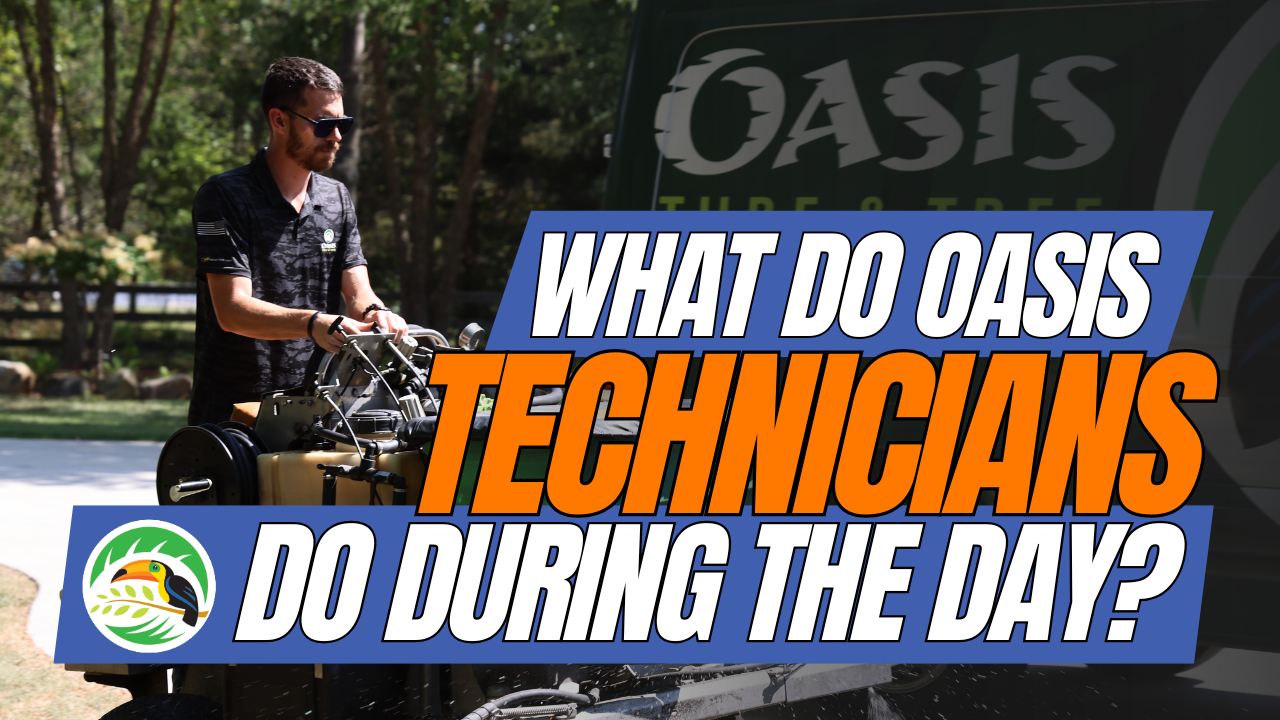
Real-Life Example: At Oasis Turf & Tree, our technicians typically begin their day around 7:30 AM at the office. They spend some time connecting with coworkers before loading their vans with the products and equipment needed for the day’s route.
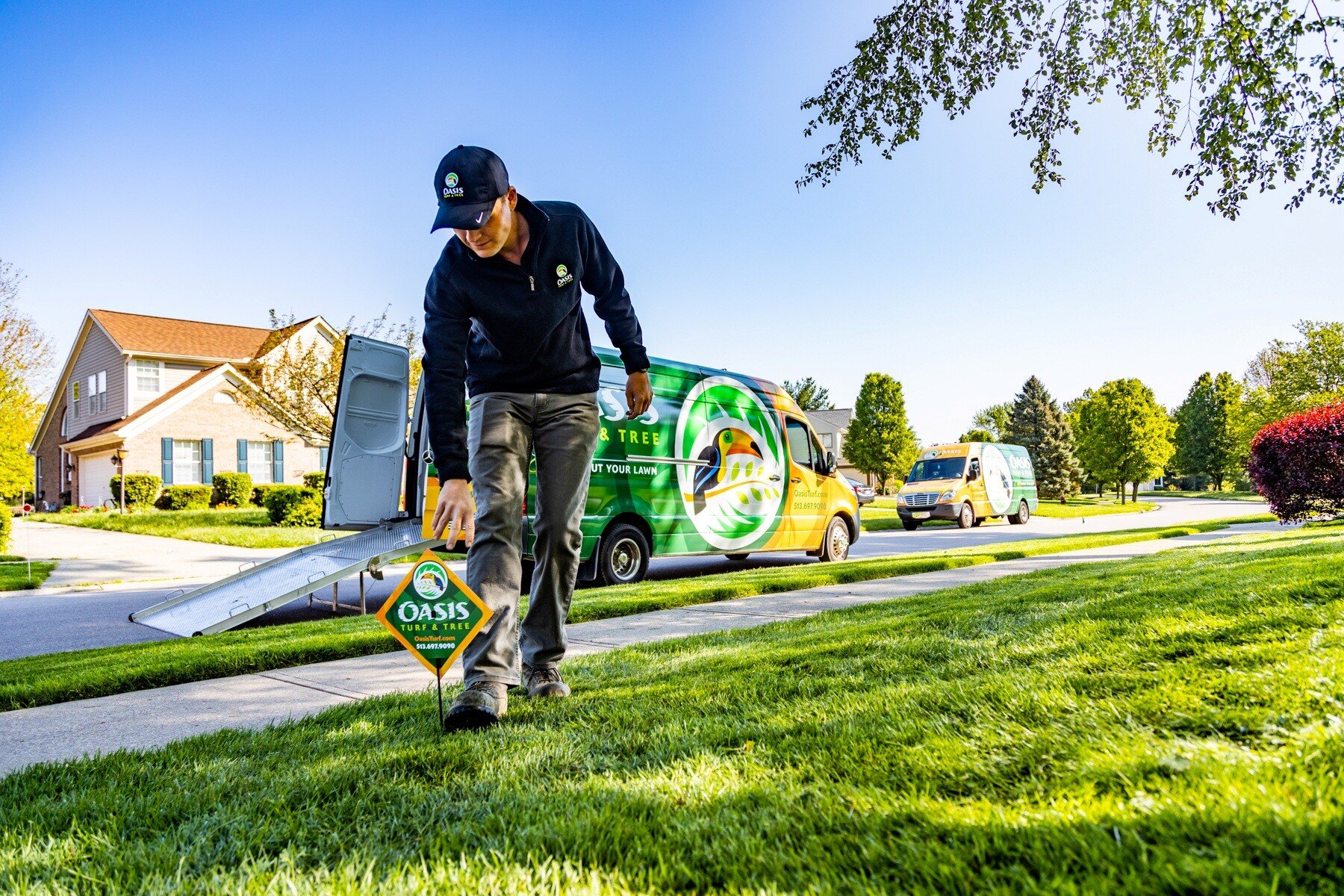
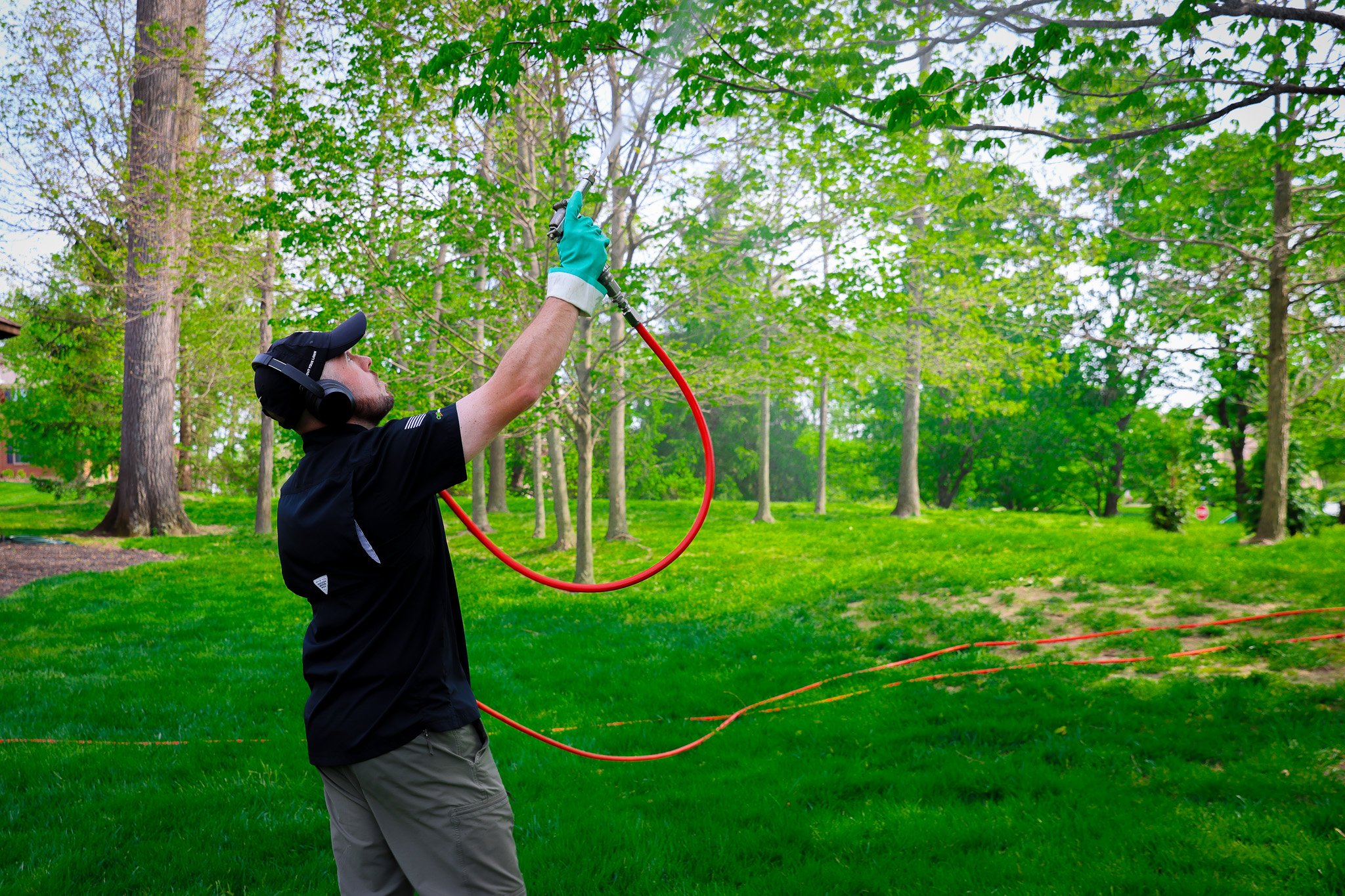
By 8:00 AM, technicians usually arrive at their first property. Before beginning the service, they review any special instructions left by the homeowner and walk the property to assess the lawn and prepare their equipment. They typically start in the backyard and work their way toward the van and front yard. Once the treatment is complete, they blow any excess debris or product from sidewalks and other hard surfaces.
Technicians then complete post-service notes to keep customers informed about their lawn’s condition. These notes include details about the work performed, products applied, and anything else the homeowner may need to know. On a typical day, technicians complete approximately 20–30 treatments before finishing between 2:00 PM and 5:00 PM. They end the day by restocking their vans and preparing equipment and products for the next day’s route.
Want to learn more about a typical day for an Oasis technician? We created YouTube videos that follow both a lawn care technician and a Tree & Shrub Care technician. These videos provide a closer look at professional lawn care treatments, how technicians handle different lawn conditions and challenges, and how they prepare for each day’s route and applications.
Watch Now: What Does a Lawn Care Technician Do? A Day in the Life with Charlie Buhler
Watch Now: Day in the Life: Tree & Shrub Care at Oasis
How Physically Demanding Are Outdoor Jobs?
The physical demands depend on the specific position. A landscape laborer or tree care worker may perform more hands-on physical work, while a landscape designer, consulting arborist, or project manager may spend more time planning, inspecting, or communicating with customers and teams.
People entering an outdoor career should consider whether they enjoy active work and what tasks they can comfortably perform. Many jobs provide training to help employees develop the skills they need over time.
How Do Weather and Schedules Affect Outdoor Work?
Weather is one of the biggest differences between outdoor and indoor careers. Employees may work in changing temperatures, rain, cold, or heat, depending on their job and employer. Severe weather can delay services, change schedules, or affect which tasks can be completed.
Seasonality also varies between industries. Lawn care often becomes busier during the growing season and peaks in the fall, while construction, tree care, and parks may offer year-round positions with changing workloads throughout the year.
What Pay, Benefits, & Career Growth Do Outdoor Careers Offer?
Outdoor career compensation can vary significantly. A lawn technician, electrician, and park ranger may all work outside but have different training requirements, pay structures, and earning potential.
Outdoor Careers and Their Earning Potential in Cincinnati
|
Career Category |
Earning Potential Entry Level |
Earning Potential Higher Level |
|
Lawn Care & Landscaping |
$29,800-36,800/year |
$46,560-$60,400/year |
|
Construction & Skilled Trades |
$38,500-$50,000/year |
$79,500-$98,200/year |
|
Tree Care & Arboriculture |
$40,400-$46,500/year |
$55,400-$60,200/year |
|
Parks, Recreation & Conservation |
$27,200-$45,000/year |
$55,000-$65,000/year |
What Determines Your Earning Potential?
Several factors can influence your earning potential, including:
- Experience
- Certifications and licensing
- Location
- Job responsibilities
- Pay structure
What Benefits Do Outdoor Jobs Offer?
Benefits can make a significant difference in whether an outdoor job supports your long-term financial goals. Full-time employees may receive:
- Health insurance
- Retirement plans
- Paid time off
- Training
- Simple IRA
- Parental time off
- Opportunities for advancement
Some employers also provide uniforms, equipment, or reimbursement for certifications.
Can You Start Without Experience?
Many outdoor careers offer entry-level positions with on-the-job training, allowing employees to learn as they gain experience. At Oasis Turf & Tree, our training programs are designed for individuals with no prior lawn care experience. We guide new team members through equipment operation and proper product application to help them build a strong foundation in the industry. We also offer state certifications and advanced licensing opportunities, giving team members the chance to expand their knowledge and advance their careers.
How Can You Advance in an Outdoor Career?
Outdoor work can be the beginning of a long-term career, rather than a dead-end job. Advancement depends on the industry, employer, and skills you develop. Some employees move into leadership, while others specialize in technical work, sales, design, or business ownership.
An example of career growth at Oasis Turf & Tree looks like:

What Skills & Requirements are Needed for Outdoor Careers?
While some positions require specialized education or certifications, many outdoor careers offer opportunities to get started through training on the job. Understanding the qualifications employers look for can help you find a position that matches your experience and career goals.
Do You Need a College Degree?
Many lawn care, landscaping, construction, and equipment operation positions offer entry-level opportunities where employees learn through hands-on training, apprenticeships, and experience. These career paths allow people to develop valuable skills while gaining experience in the industry.
Some outdoor careers require more specialized education. Arborists and technical positions may need a college degree or specific educational qualifications. The requirements depend on the role, the employer, and the responsibilities involved.
A college degree can be useful for certain career paths, but it is not the only way to build a successful outdoor career. Hands-on experience, industry knowledge, and a willingness to learn can help you develop the skills needed to grow in the field.
What Training & Certifications are Available?
Training and certifications vary depending on the type of outdoor work you want to pursue. Some employers provide training as part of the job, while others may expect applicants to have certain qualifications before they begin.
|
Career Category |
Common Certifications or Licenses Obtained |
What They Help You Do |
|
Lawn Care & Landscaping |
Ohio Department of Agriculture (ODA) Commercial Pesticide Applicator License; Kentucky Department of Agriculture (KDA) Category 3 Ornamental and Lawn Care certification; CDL; OSHA safety training |
Apply regulated pesticides, perform lawn and landscape treatments, operate qualifying commercial vehicles, and operate equipment safely. |
|
Tree Care & Arboriculture |
ISA Certified Arborist; ODA or KDA pesticide applicator licensing for applicable treatments; chainsaw safety training; CDL |
Demonstrate tree care knowledge, apply regulated products, safely operate equipment, and perform specialized tree work. |
|
Construction & Skilled Trades |
OSHA 10 or OSHA 30 training; CDL; trade apprenticeships; state or local trade licenses |
Build safety knowledge, operate qualifying vehicles, and develop skills in electrical, plumbing, carpentry, and other trades. |
|
Outdoor Recreation |
Wilderness first aid; lifeguard certification; CDL for applicable positions |
Respond to emergencies, support outdoor activities, and meet qualifications for specific recreation jobs. |
Pros & Cons of Outdoor Careers
Working outdoors comes with its own set of challenges. Before choosing a career, it is important to understand both the benefits and the potential drawbacks. Understanding the pros and cons can help you decide whether an outdoor career is the right fit for your interests, skills, and long-term goals.
|
Pros |
Cons |
|
Stay active through hands-on work and movement |
Some tasks are physically demanding |
|
See the results of your work |
Some tasks involve repetitive work or physically challenging conditions |
|
Develop opportunities for leadership and career advancement |
Outdoor work may involve safety risks |
|
Learn practical skills through on-the-job training |
Some jobs require certifications, licenses, or specialized training before hiring |
How to Get Started in an Outdoor Career
To get started in an outdoor career, it’s important to first consider the type of work that interests you. Think about whether you prefer working independently or as part of a team, if you want year-round or seasonal employment, and what types of plants, equipment, or tasks you enjoy. Once you have a better idea of your preferences, you can begin exploring career options that align with your interests and skills.
Interested in a career in lawn health care? We made a video that explores what a career at Oasis could look like, including our different service paths, earning potential, benefits, and opportunities to grow.
Thinking about applying and wanting to get to know us first? Visit our website to learn more about our company, our history, and the goals that guide our work.
Frequently Asked Questions
What should you look for when choosing an outdoor employer?
Consider the company's training, safety practices, workplace culture, schedule, compensation, and opportunities for advancement. An employer that invests in its team can help you develop the skills needed for a long-term career.
What are the benefits of working outdoors?
Outdoor careers can offer hands-on work, opportunities to develop practical skills, variety in daily tasks, and the chance to spend more time outside. Some positions also provide opportunities for career advancement and leadership.
What happens when the weather is bad?
Outdoor work requires flexibility. Employers may adjust schedules or reschedule work when conditions are unsafe or there is inclement weather.
Topics: